Close
Close


Division of Surgery & Interventional Science
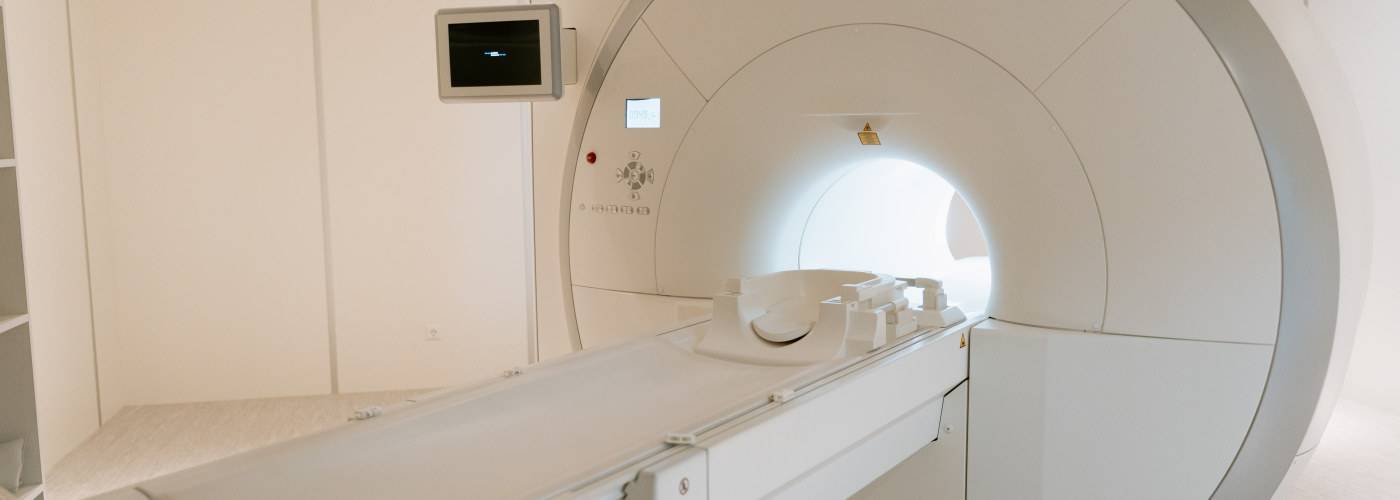
Shorter scan to diagnose prostate cancer will cut costs
Removing one step from a three-part MRI scan (which could make them quicker, cheaper and more accessible) had no negative impact on diagnostic accuracy, according to clinical trial results.

More physical activity time in class reduces obesity in children
More movement in lessons leads to an 8% reduction in children's waist-to-height ratio, says new research from UCL and the Institute of Sport, Exercise and Health (ISEH).

Are you drinking too much water?
Guidelines about water intake fail to consider activity levels, body size or requirements. Prof. Courtney Kipps shares advice around water consumption with The Times (sub. required).
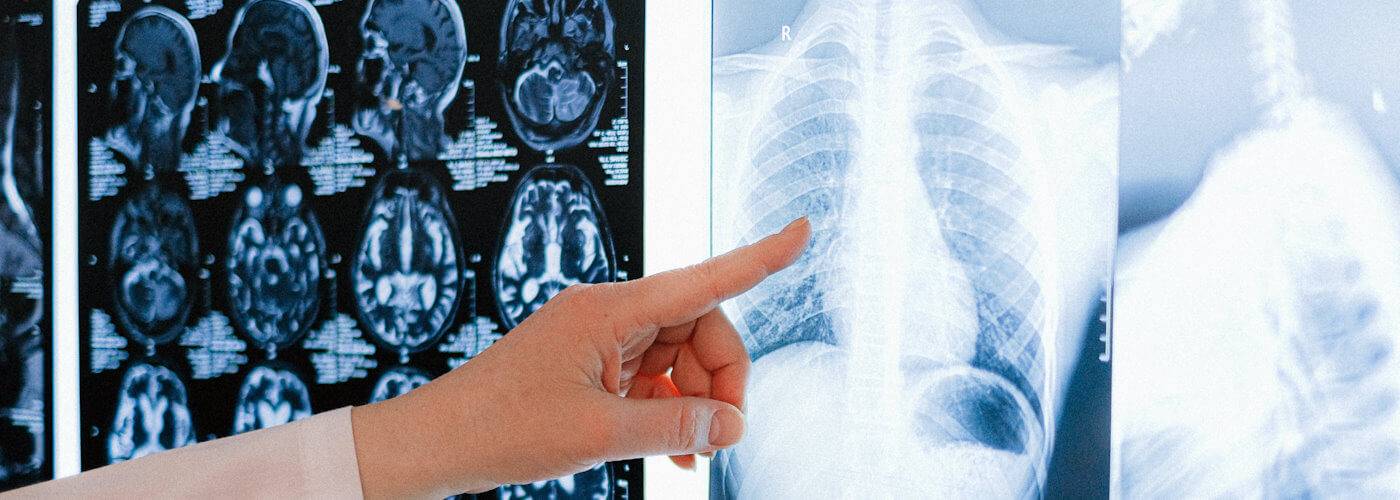
MRI scans improve prostate cancer diagnosis in screening trial
Using MRI as a screening test alongside PSA density allowed detection of cancers that would have been missed by the blood test alone, according to new research.
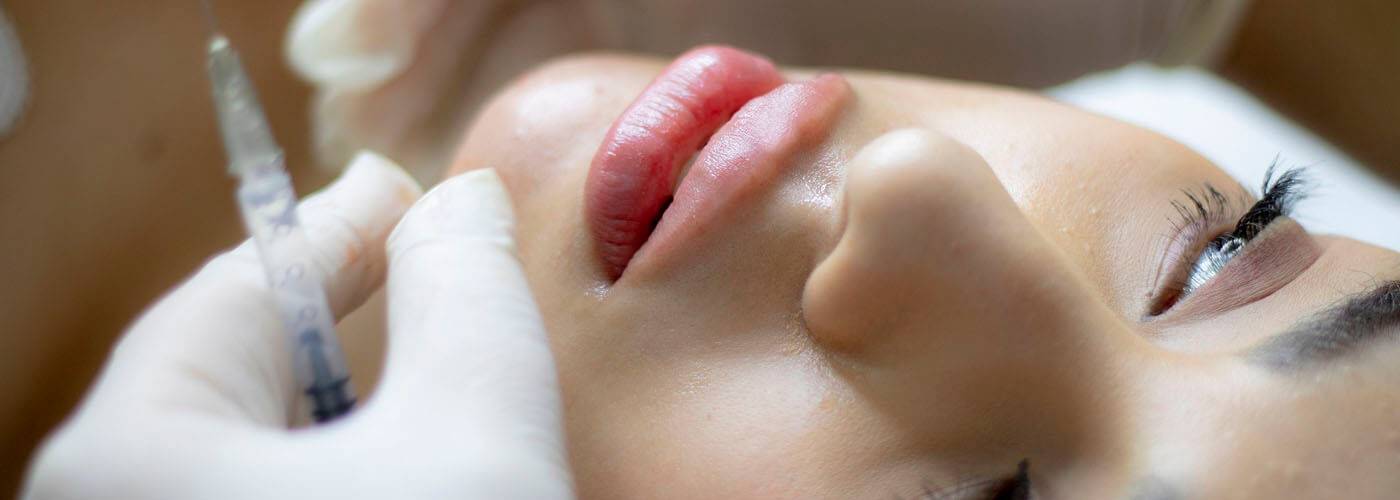
Two-thirds of cosmetic surgery injections not done by doctors
A survey of the UK's cosmetic injectables industry by UCL researchers finds 68% of cosmetic practitioners who are administering injections such as Botox are not medical doctors. See coverage on ITV news.
As a world leader in medical and biomedical research, we see first-hand the direction in which medicine and science are moving. To meet new patient and industry needs, we create innovative master's courses for clinicians and scientists across the world. These are led by world leading experts, providing a research-based learning experience delivered by some of the greatest scientific minds. Our cutting-edge research expertise ensures that the latest techniques are taught using the most advanced equipment. Discover what we offer.

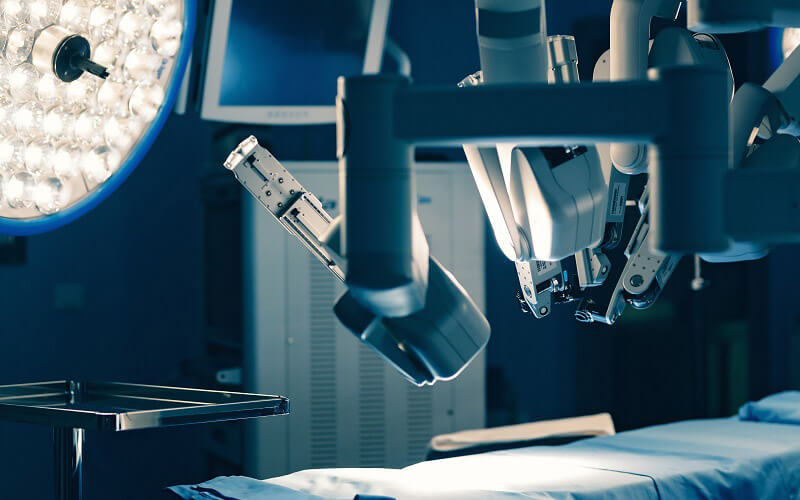

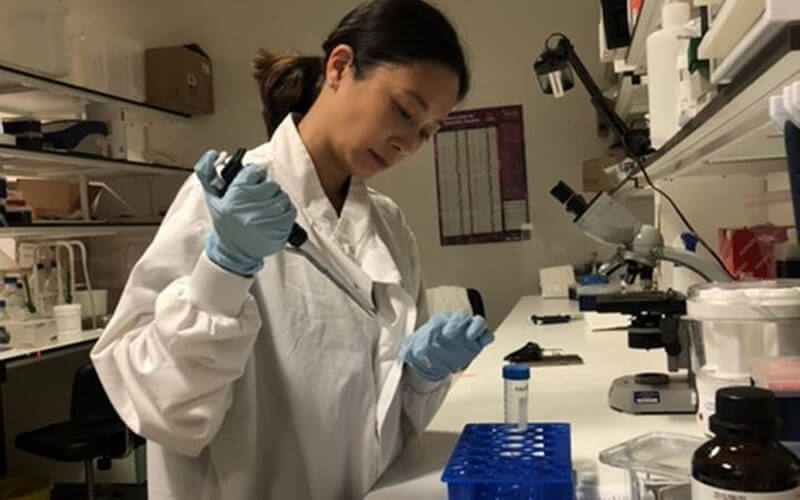

Performing Arts Medicine PG Cert (Distance Learning)
This award is for people already involved in health services or health education who want to work with musicians, dancers, actors, circus artists and other performers.

Pain Management MSc
This specialist MSc is aimed at clinical professionals from all backgrounds involved in the delivery of integrated pain services in primary or secondary care.

Perioperative Medicine MSc
Become a specialist in perioperative medicine on this innovative online master's. Get equipped to lead services or enter senior positions in healthcare management.
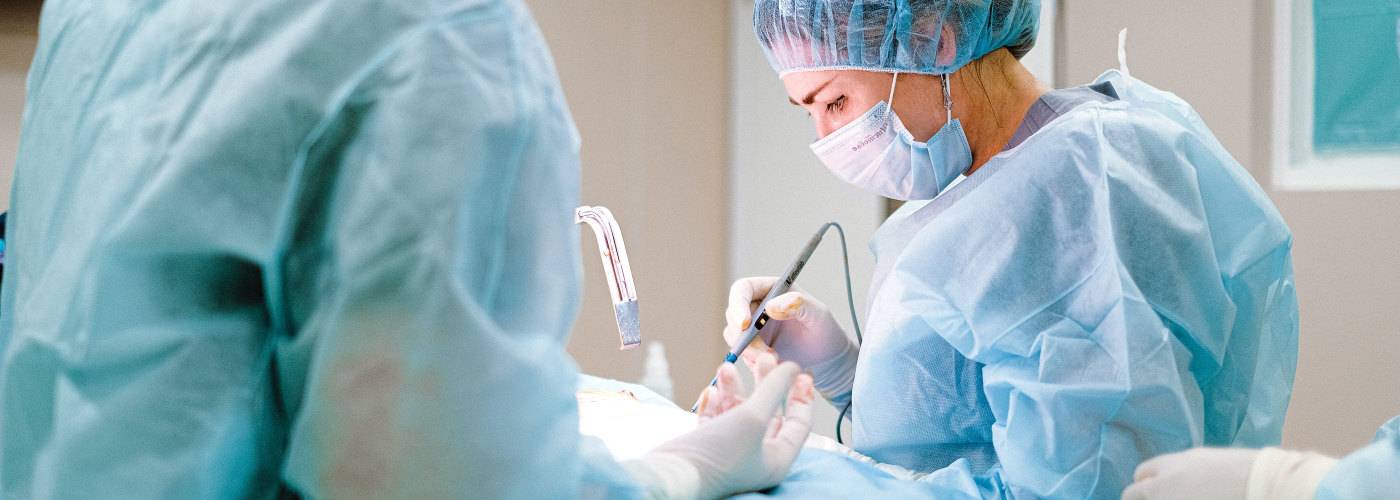
Burns, Plastic & Reconstructive Surgery MSc
Gain core knowledge and understanding of the latest plastic and reconstructive surgical techniques on this highly innovative MSc.
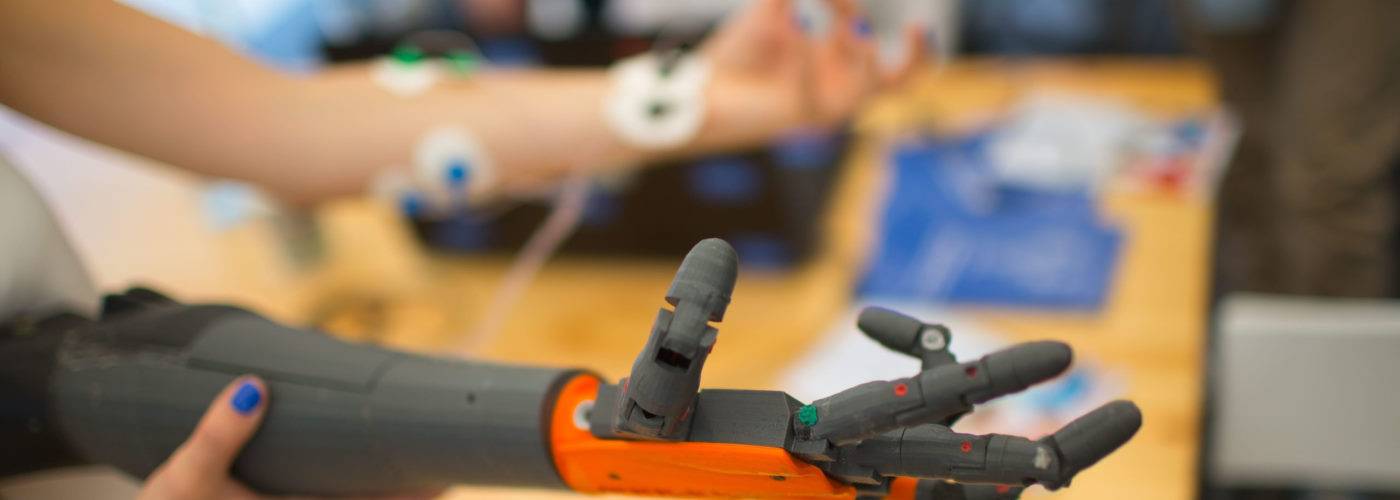
Rehabilitation Engineering & Assistive Technologies MSc
This MSc focuses on the design, development and clinical application of new rehabilitative and assistive technologies to help restore motor functions.
Our departments