UCL Logo Navigate back to homepage

Main navigation

  • Home
  • Study

    Study

    • Study at UCL
    • Undergraduate courses
    • Graduate courses
    • Short courses
    • Study abroad
    • Centre for Languages & International Education
  • Research

    Research

    • Research at UCL
    • Engage with us
    • Explore our Research
    • Initiatives and networks
    • Research news
  • Engage

    Engage

    • Engage with UCL
    • Alumni
    • Business partnerships and collaboration
    • Global engagement
    • News and Media relations
    • Public Policy
    • Schools and priority groups
    • Give to UCL
  • About

    About

    • About UCL
    • Who we are
    • Faculties
    • Governance
    • President and Provost
    • Strategy
    • UCL's Bicentenary
  • UCL Logo Active parent page: UCL Bartlett Faculty of the Built Environment
    • Study
    • Research
    • Our schools and institutes
    • People
    • Ideas
    • Engage
    • Active parent page: News and Events
    • About

Ebola is a product of a destructive global economic system

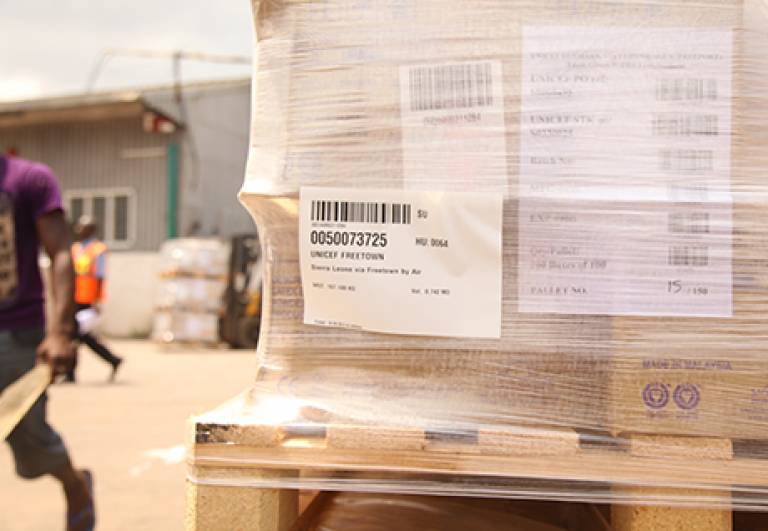
World Bank Photo Collection, Ebola Crisis

Breadcrumb trail

  • UCL Bartlett Faculty of the Built Environment

Faculty menu

  • Current page: News
  • Events

Breadcrumb trail

  • UCL Bartlett Faculty of the Built Environment
  • News and Events
  • Ebola is a product of a destructive global economic system

Head of the Institute for Global Prosperity Professor Henrietta Moore has contributed to the debate on Ebola’s main causes in an article for The Guardian.

In the article, Professor Moore focuses her attention on the macroeconomic conditions that brought the world to the point at which almost 5,000 lives have been lost to the disease. She draws upon the fact that the initial carriers of Ebola, fruit bats, have arrived in human settlements having been displaced from former rainforests.

The human catastrophe, Prof. Moore argues, goes beyond individual deaths. The damage to the already fragile economies of west African countries will have a devastating impact, even once the virus itself is brought under control.

The article draws upon the principles which underlie the new Institute for Global Prosperity, which aims to recognise the context of global interconnectivity and focus on the impact of decisions made by leaders, organisations and countries regarding apparently unrelated affairs.

To read the article, visit the Sustainable Business section of The Guardian website.

UCL footer

Visit

  • Bloomsbury Theatre and Studio
  • Library, Museums and Collections
  • UCL Maps
  • UCL Shop
  • Contact UCL

Students

  • Accommodation
  • Current Students
  • Moodle
  • Students' Union

Staff

  • Inside UCL
  • Staff Intranet
  • Work at UCL
  • Human Resources
UCL Logo

University College London, Gower Street, London, WC1E 6BT

Tel: +44 (0) 20 7679 2000

UCL social media menu

  • Link to Instagram
  • Link to LinkedIn
  • Link to Youtube
  • Link to TikTok
  • Link to Facebook
  • Link to Bluesky
  • Link to Threads
  • Link to Soundcloud
Here, it can happen.
Back to top

Essential

  • Disclaimer
  • Freedom of Information
  • Accessibility
  • Cookies
  • Privacy
  • Slavery statement
  • Log in

© 2026 UCL