Development Planning Unit
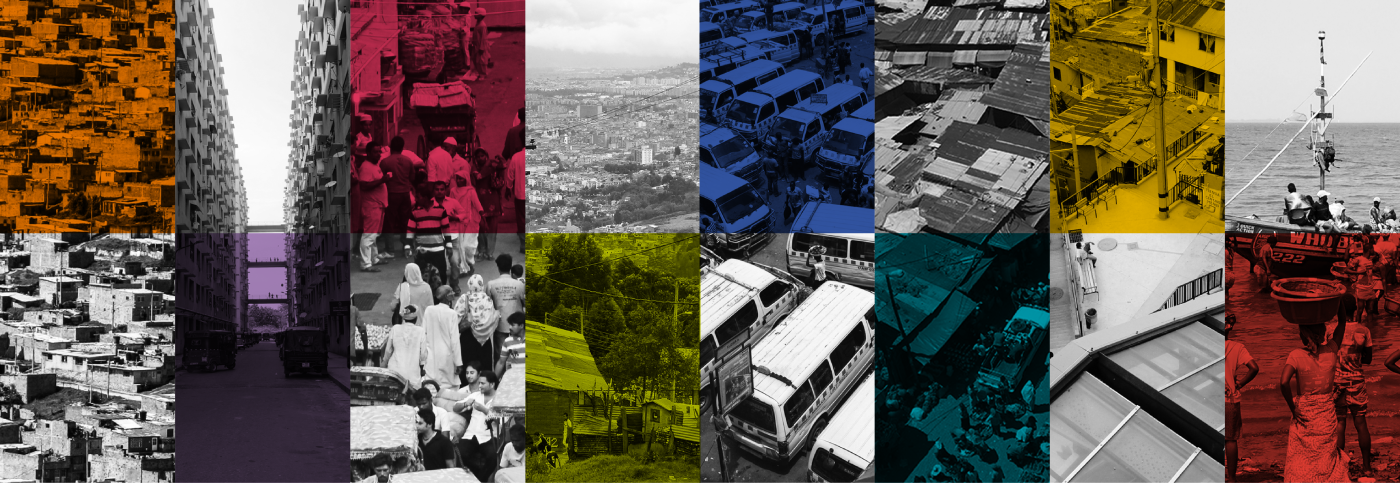
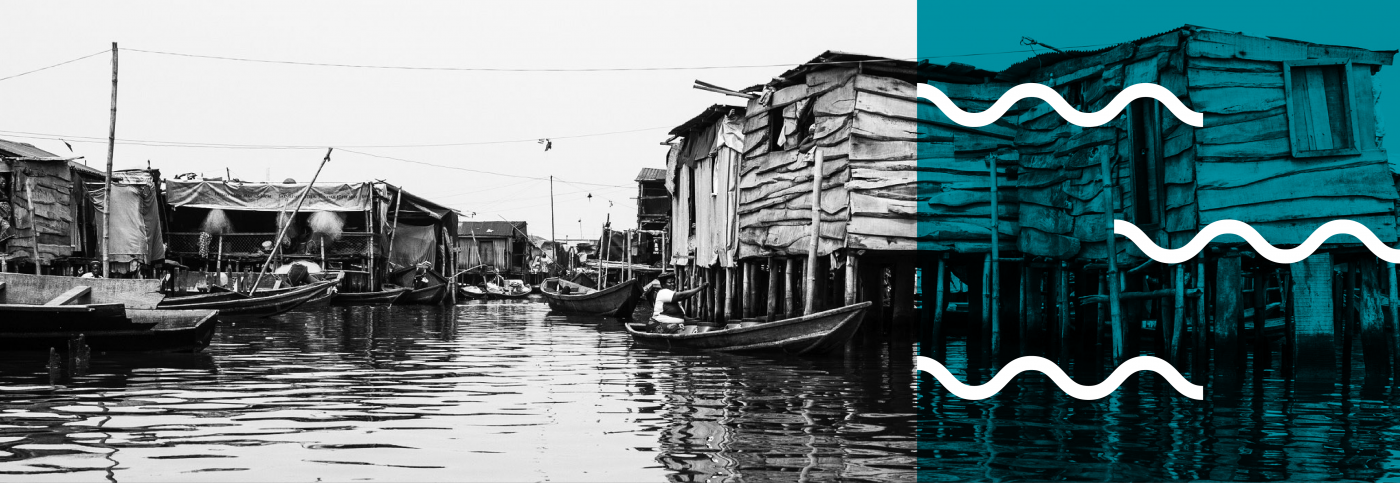
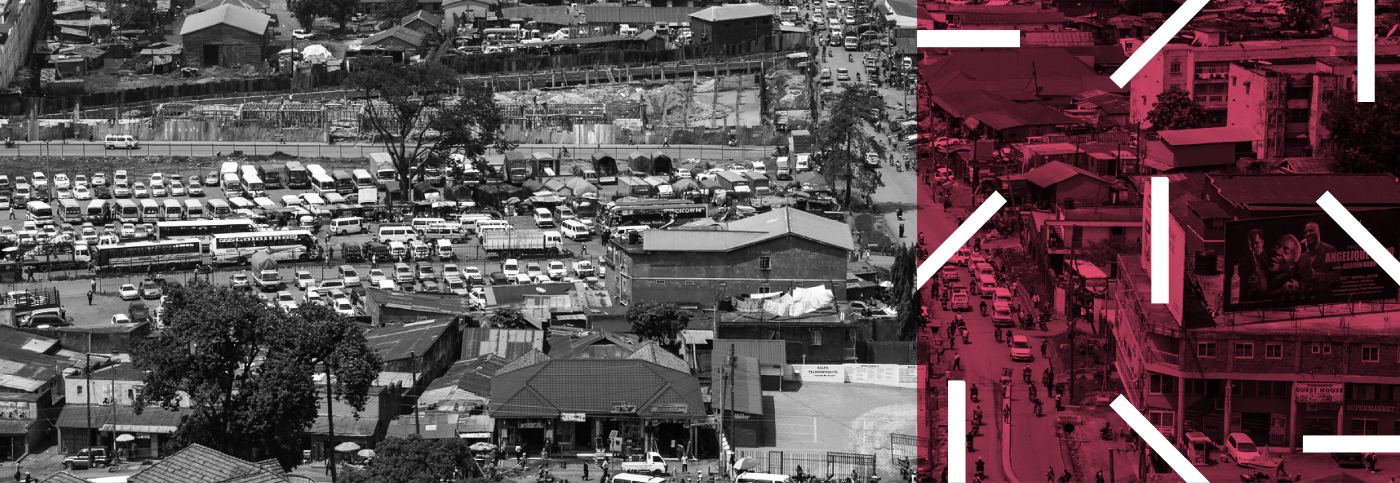
The Development Planning Unit (DPU) is an international
centre specialising in academic teaching, practical training, research
and consultancy in the field of urban and regional development,
planning, and management. It is concerned with promoting sustainable
forms of development, understanding rapid urbanisation and encouraging
innovation in the policy, planning and management responses to the
economic, social and environmental development of cities and regions,
especially in Asia, Africa and Latin America.
The central purpose of the
DPU is to strengthen the professional and institutional capacity
of governments and non-governmental organisations (NGOs) to deal
with the wide range of issues that are emerging at all levels. The
DPU's multi-disciplinary and multi-national staff offer specialised
courses both in London and abroad for the staff of central government
departments, local authorities, NGOs and the private sector. These
courses are supported by international agencies as well as by national
and provincial governments.
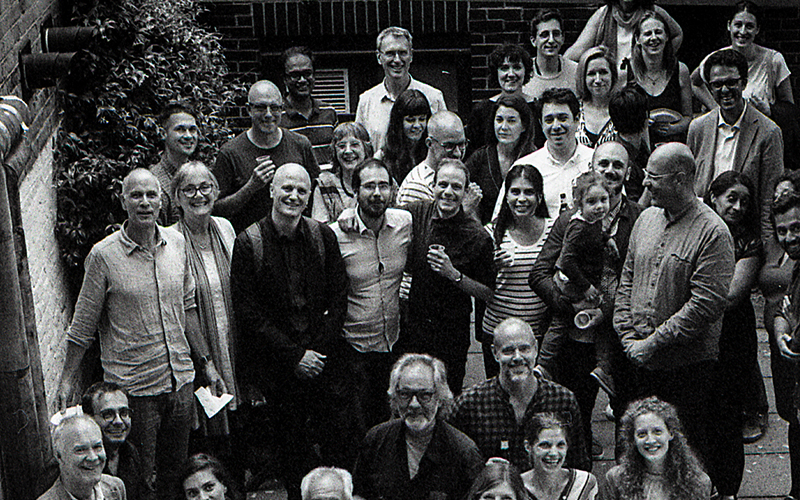
The academic staff of the
DPU is a multi-disciplinary group of 17 professionals and academics
(embracing eleven different nationalities), all with extensive and
on-going research and professional experience in various fields
of urban and institutional development throughout the world. The
DPU Associates is a body of professionals who work closely with
the Unit both in London and overseas.
The University of London and UCL
UCL (University College London) was founded in 1826 as the first
secular institution of higher learning in England. Thus, it is the
oldest and the largest of the 23 major institutions that consitute
the federal University of London. UCL has 72 academic departments with over 19,000 students
of whom 7,000 are postgraduates and 6,000 are overseas student from 140
different countires.
Visit UCL's website
The Faculty of the Built Environment
consists of The Bartlett Schools of Architecture, Environmental
Design, Construction, Planning and the Development Planning Unit.
The Bartlett is the largest and oldest multi-disciplinary school
of the built environment in the United Kingdom.
It has some 1,000 students of whom more than half are postgraduates.
Link to the Bartlett
Faculty of the Built Environment
Fifity Years of Urban Development Education, Training, Research
and Consultancy
The Architecture Association
In 1953 a conference was in University College London on architecture
and planning in the tropical developing countries of the South.
The deliberations of many widely experienced practitioners at the
conference concentrated on the extent to which architectural and
planning education in the North (and much of it in the South as
well) did not address the climatic and social issues of developing
countries. The conference called for the establishment of a training
programme to address these issues. In response, in 1954 the Architectural
Association School of Architecture in London launched an annual
six-month postgraduate course in tropical architecture. For two
years this was led by the renowned architect-planner Maxwell Fry
before being taken over and developed by
Otto Koenigsberger, former Chief Architect to the Indian State
of Mysore and Director of Housing of the first independent Government
of India.
Over the following decade the course, which attracted architects
and planners from throughout the developing countries as well as
British professionals working in the Commonwealth, developed and
changed in response to the rapidly changing scene in the developing
towns and cities of the South. The initial emphasis on building
physics and climatic design for tropical conditions gave way to
the need for new approaches to planning and social development for
rapid urbanisation. Technical training was replaced by the education
of policy makers, which, in turn, was superseded by concerns for
new participatory approaches to the implementation of policy. In
recognition of these shifts, the programme changed its name from
Tropical Architecture to Tropical Studies, then in 1968 to Development
and Tropical Studies. (see Wakely, P., The Development of a School,
Habitat International, Vol.7, No.5/6, London 1983).
University College London
In 1971 the Department moved from the Architectural Association
to University College London (UCL), changing its name to The Development
Planning Unit (DPU) and Koenigsberger became the first University
of London Professor of Urban Development. Since then the DPU has
continued to change and develop in response to the needs of developing
country governments, city administrations, civil society organisations
and the international community. The DPU Masters Degree programme
was started in 1978; a highly successful programme of specialist
professional short courses in a range of urban development issues
was run throughout the 1980s and early 1990s; the Doctoral Research
(PhD) programme took off in the mid 1980s; and the Unit’s
consultancy and applied research activities have grown consistently.
Fifty years after opening its doors to the first postgraduate course
in 1954, the DPU enjoys a widely respected international reputation
as one of the world’s leading capacity building institutions
in the field of urban and regional development.
Maintained by
DPU Webmaster
|