 Close
Close


Biological Physics (BioP)

Our activities at the Department of Physics and Astronomy are part of a much larger, UCL-wide research activity on biological physics, spread over different departments, institutes and networks:
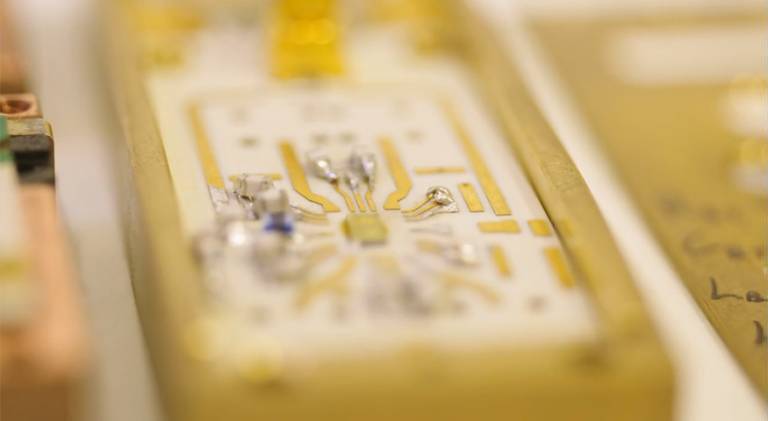
London Centre for Nanotechnology
A significant part of our research is based at the London Centre for Nanotechnology.
Institute for the Physics of Living Systems
Our researchers are part of the cross-faculty Institute for the Physics of Living Systems.
Institute of Structural and Molecular Biology
The Institute of Structural and Molecular Biology spans research at UCL and Birkbeck.
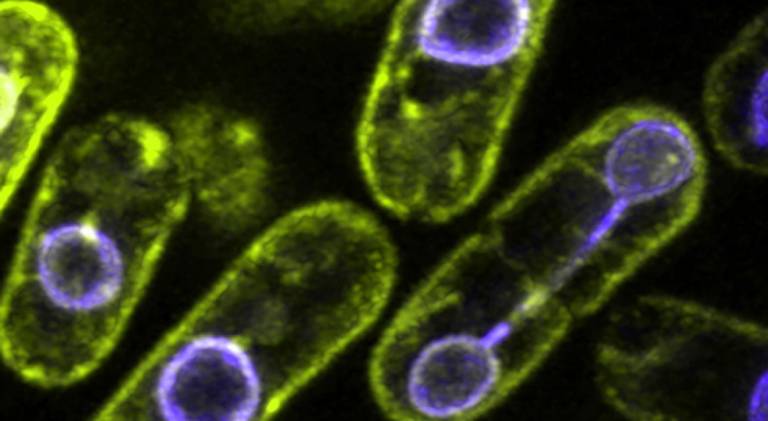
Laboratory for Molecular Cell Biology
The Laboratory for Molecular Cell Biology investigates fundamental aspects of cell function and human disease.
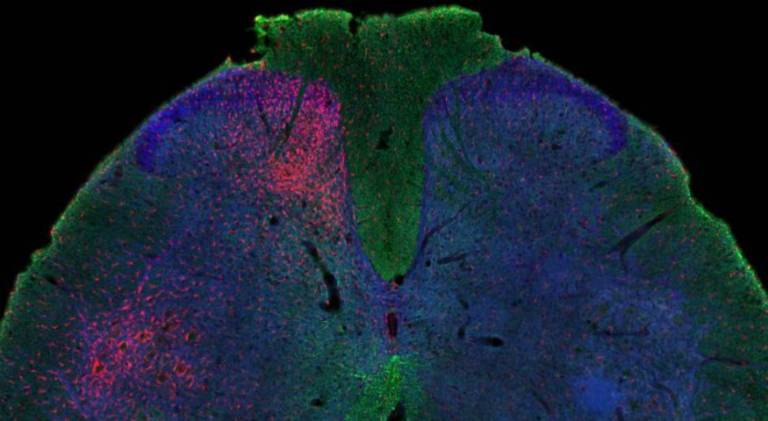
Neuroscience, Physiology and Pharmacology
The Department of Neuroscience, Physiology and Pharmacology undertakes interdisciplinary research into the nervous system.

Medical Physics
The Department of Medical Physics and Biomedical Engineering develops new technologies for diagnosing, treating and managing medical conditions and diseases.
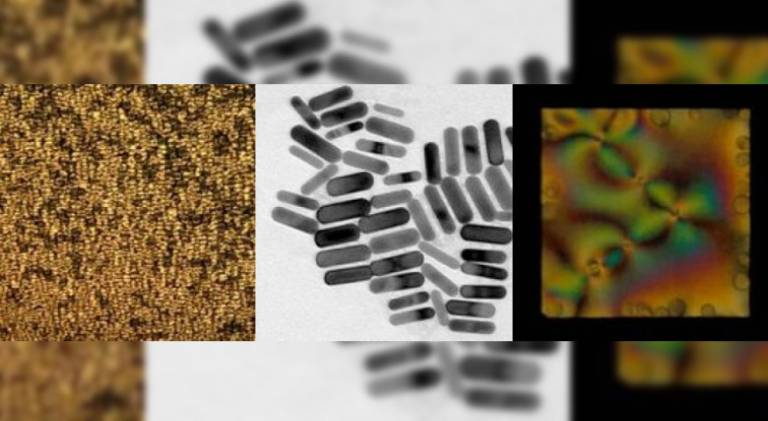
Soft Materials Network
The Soft Materials Network provides a platform for UCL researchers that are interested in soft materials.