Close
Close


Lab Head: Professor John Rothwell
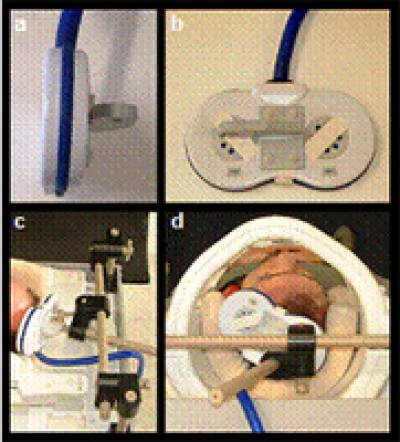
We have shown that it is possible to use TMS in both the PET and fMRI environments. So far we have imaged metabolic changes that TMS induces in relaxed subjects.
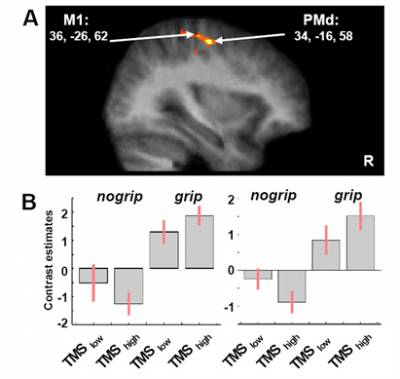
In addition we have tested how stimulation affects the pattern of activation that accompanies task performance (see below: how does performance of a static hand grip affect connectivity from PMd to the contralateral motor areas). Finally we can also use a short series of pulses can disrupt the activity of part of the brain. We ask how the brain reacts to such disruption. By using longer periods of stimulation the time of disruption can be prolonged, so that the time course of any compensatory changes can be revealed.