UCL Arts & Humanities
6th in the Times Higher Education World University Rankings 2024 by subject, UCL Arts & Humanities is recognised globally for both its teaching and research excellence.
With 200 years of leadership, innovation, and inclusivity behind us, the Faculty has led the way in defining the arts and humanities for the 21st century. We provide world-leading, transformational arts and humanities education and research and embed equity and sustainability in everything we do.
We continue to both conserve and enrich our deep history of disciplinary excellence, to generate critical thinking, interdisciplinarity, and to improve humanity across our interconnected planet.
Our alumni can be found all over the world – leaders, artists, educators, writers, entrepreneurs, politicians and citizens making connections, challenging tradition, promoting inclusivity and broadening our understanding of creative practice.

Our students rank amongst the very best in the world. Read more about our world-class Faculty.
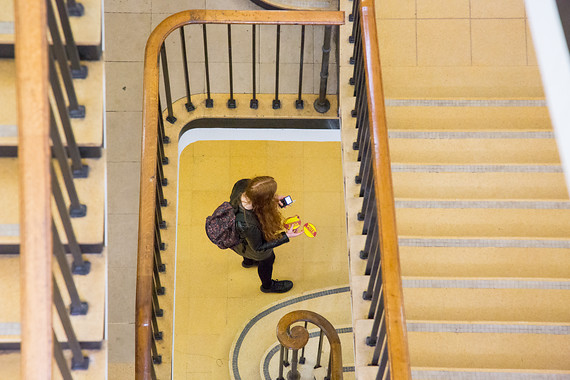
From Arts & Sciences to languages and philosophy, you can choose programmes of study from one of our ten departments.
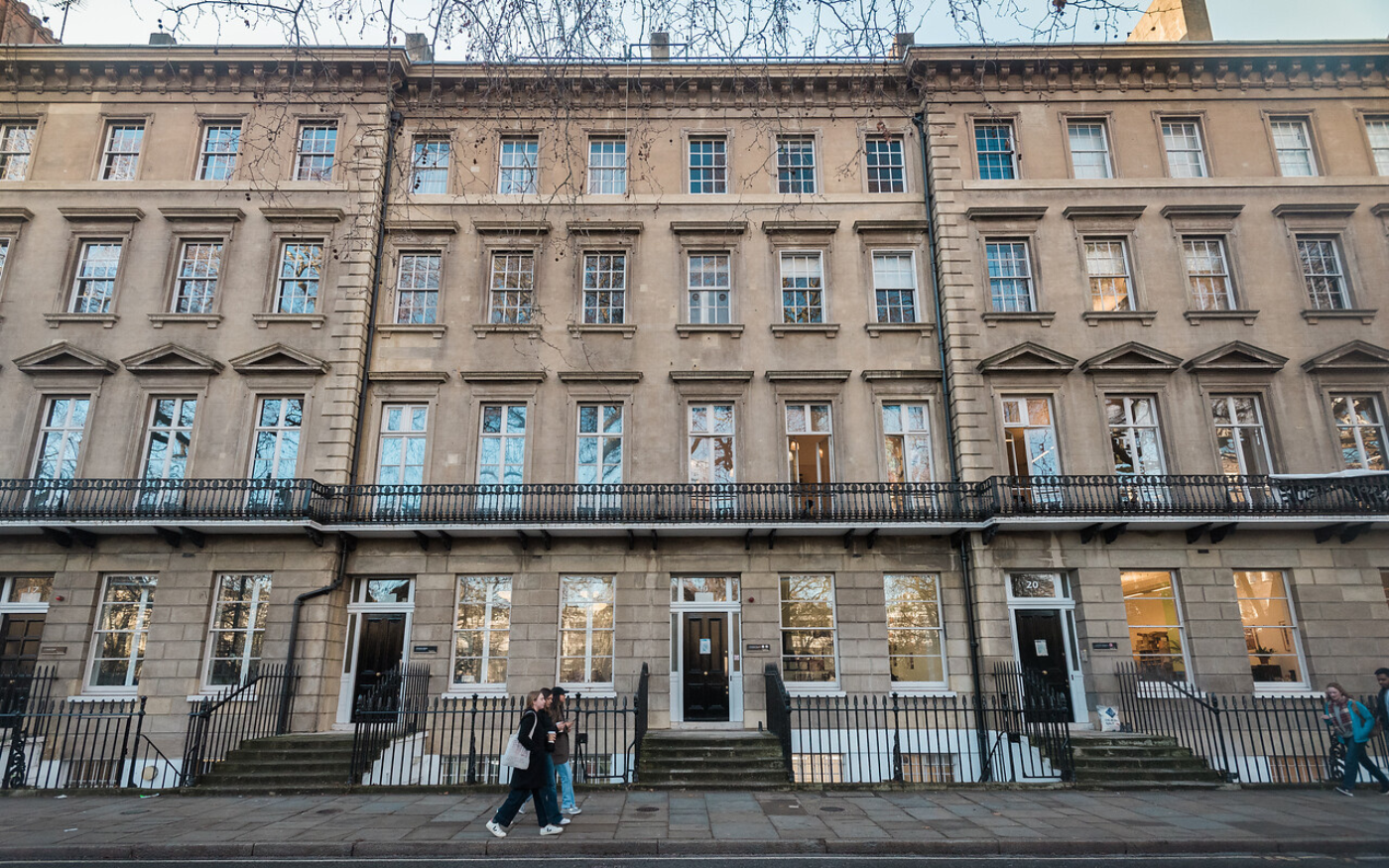
Find out more about UCL Arts & Humanities.
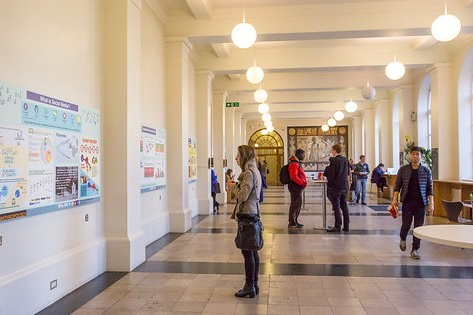
From exhibitions and workshops to symposiums and inaugural lectures, find out what's taking place at UCL Arts & Humanities.
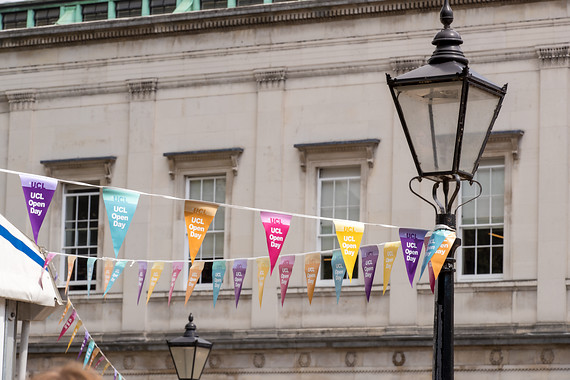
Join us at an Open Day to find out more about your study options and life at UCL.

Read blogs from students in the Arts & Humanities faculty. Hear more about life in the faculty, tips and advice on everything to do with university life.
 Close
Close

