|

 |
|
|
|
Communism in the Soviet Union and Eastern EuropeThis course seeks to examine the establishment of the communist system in the Soviet Union and Eastern Europe, its evolution, decay and collapse. Throughout the course we will seek to discover the sources of political power in the USSR and Eastern Europe and to discover the relationship between power, legitimacy and ideology. We will take a historical-thematic approach and seek to identify both the commonalties and differences in the development of the Soviet and East European states.
The course will cover the following:
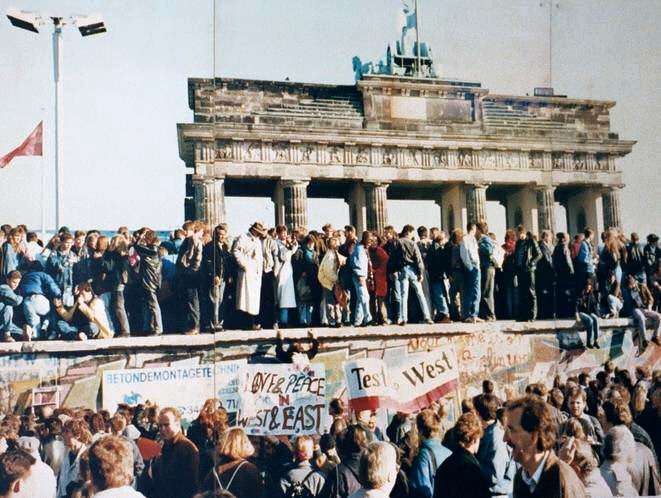
1. The Other Europe 2. The Bolshevik Revolution 3. Socialism in one Country 4. Nationalism and Communism 5. The Communist Takeover of Eastern Europe 6. The Dilemmas of De-Stalinisation 7. From the Prague Spring to Solidarity 8. Gorbachev’s Political Revolution 9. The Revolutions of 1989 10. The Collapse of the USSR
This page last modified 22 July, 2013 by Richard C. M. Mole |
|
|
 +44 (0)20 7679 2000 - Copyright © 1999-2005 UCL