UGI News
- Article: Four Genetic Loci Influencing Electrocardiographic Indices of Left Ventricular Hypertrophy
- UCL student Anna Rose has been awarded the Tony Jackson Memorial Prize for 2011
- A matter of priorities: Bacteria evolved way to safeguard crucial genetic material, Prof Nick Luscombe publishes in Nature
- Article: How a mother's genes can increase birth weight
- Research paper: X-linked megalocornea caused by mutations in CHRDL1 identifies an essential role for ventroptin in anterior segment development
- Direct observation of the interconversion of normal and pathogenic forms of α-synuclein, Prof Nick Wood publishes in Cell
- 4 Scholarships available for MSc in Genetics of Human Disease
- UGI's Prof Andres Ruiz-Linares reports in Nature Native Americans descend from three key migrations
- UGI's Prof Francois Balloux co-authors paper on genetics and climate reconstructions to track the global spread of modern humans out of Africa
- Vacancy: Research Associate in Statistical Genetics
- Nick Luscombe publishes in Cell
- Blood screening that is preventing heart attacks–but not in England, Prof Humphries is mentioned in a Guardian article
- Study questions effectiveness of genetic testing strategy for inherited high cholesterol, Steve Humphries publishes in The Lancet
A matter of priorities: Bacteria evolved way to safeguard crucial genetic material, Prof Nick Luscombe publishes in Nature
26 April 2012
23 April 2012
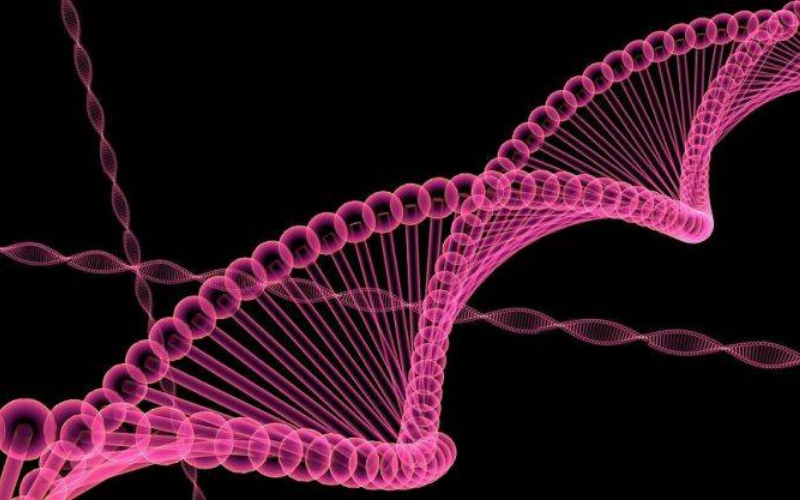
Different genes mutate at different rates, in the bacterium E. coli.
Credit: EMBL / I. Martincorena.
Just as banks store away only the most valuable possessions in the most secure safes, cells prioritise which genes they guard most closely, researchers at the European Molecular Biology Laboratory’s European Bioinformatics Institute (EMBL-EBI) have found. The study, published online today in Nature, shows that bacteria have evolved a mechanism that protects important genes from random mutation, effectively reducing the risk of self-destruction. The findings answer a question that has been under debate for half a century and provide insights into how disease-causing mutations arise and pathogens evolve.
“We discovered that there must be a molecular mechanism that preferentially protects certain areas of the genome over others,” says Nicholas Luscombe, who led the research at EMBL-EBI. “If we can identify the proteins involved and uncover how this works, we will be even closer to understanding how mutations that lead to diseases like cancer can be prevented.”
Read more in EMBL Press Release 22 April 2012 - A matter of priorities
Page last modified on 26 apr 12 15:23