Ms Jo Volley
- Associate Professor, Painting
Featured Media
Danny Treacy and Sarah Pickering
Photograph by Danny Treacy and Sarah Pickering
Photograph by Danny Treacy and Sarah Pickering
Van Gogh House, London
photo: Thomas Jenkins
Thomas Jenkins
Thomas Jenkins
Thomas Jenkins
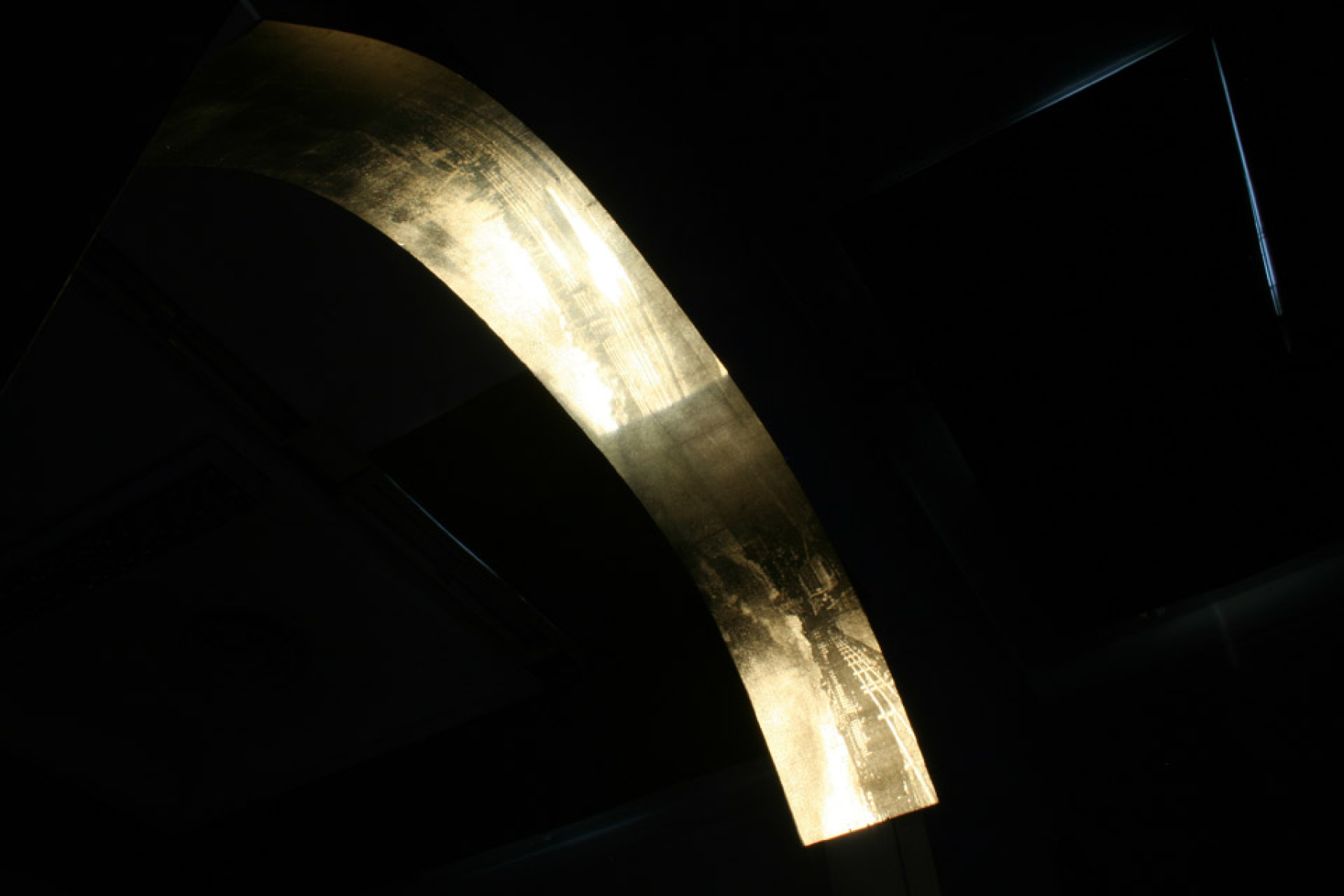
Cities Methodologies 2010
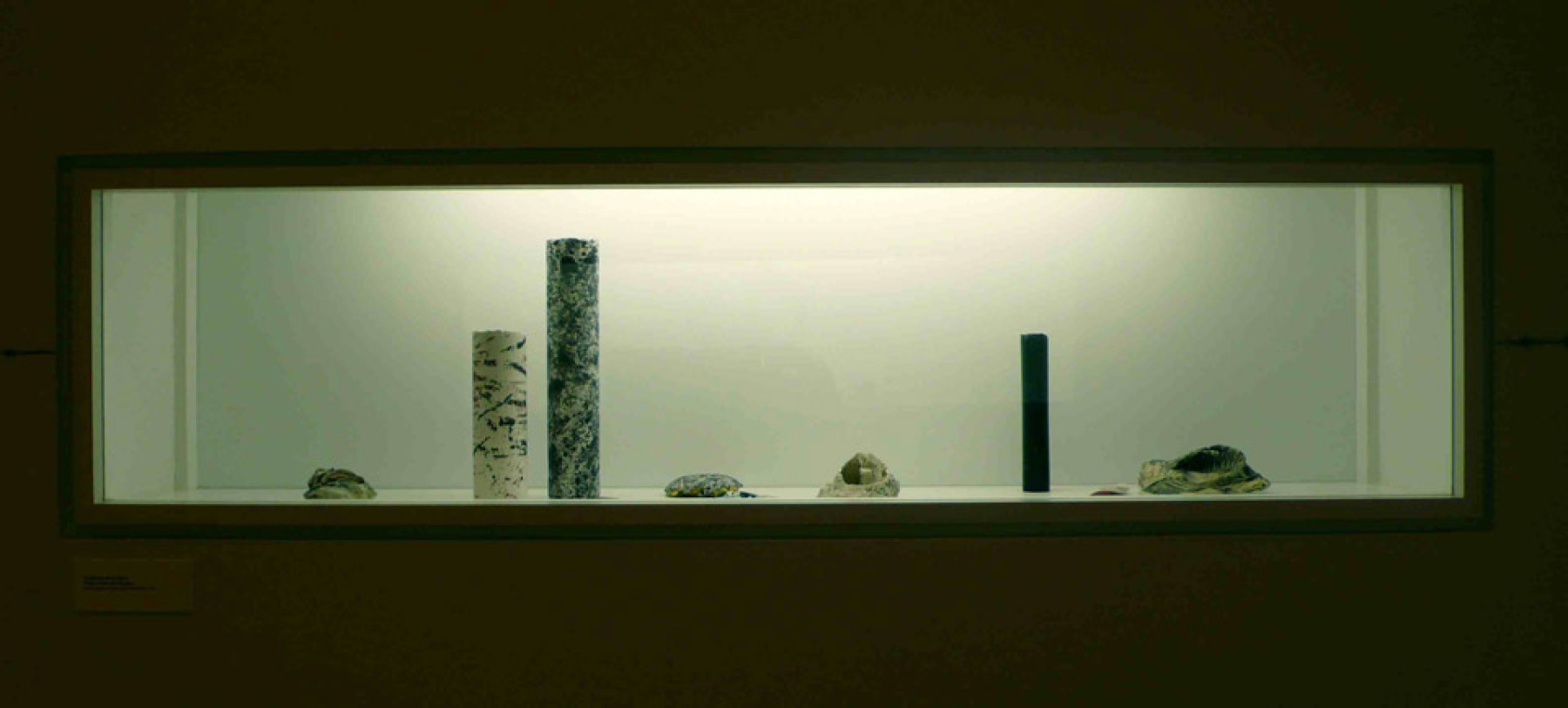
spaces/places/senses/places//senses/spaces, VAC, Portsmouth, Virginia, USA 2009
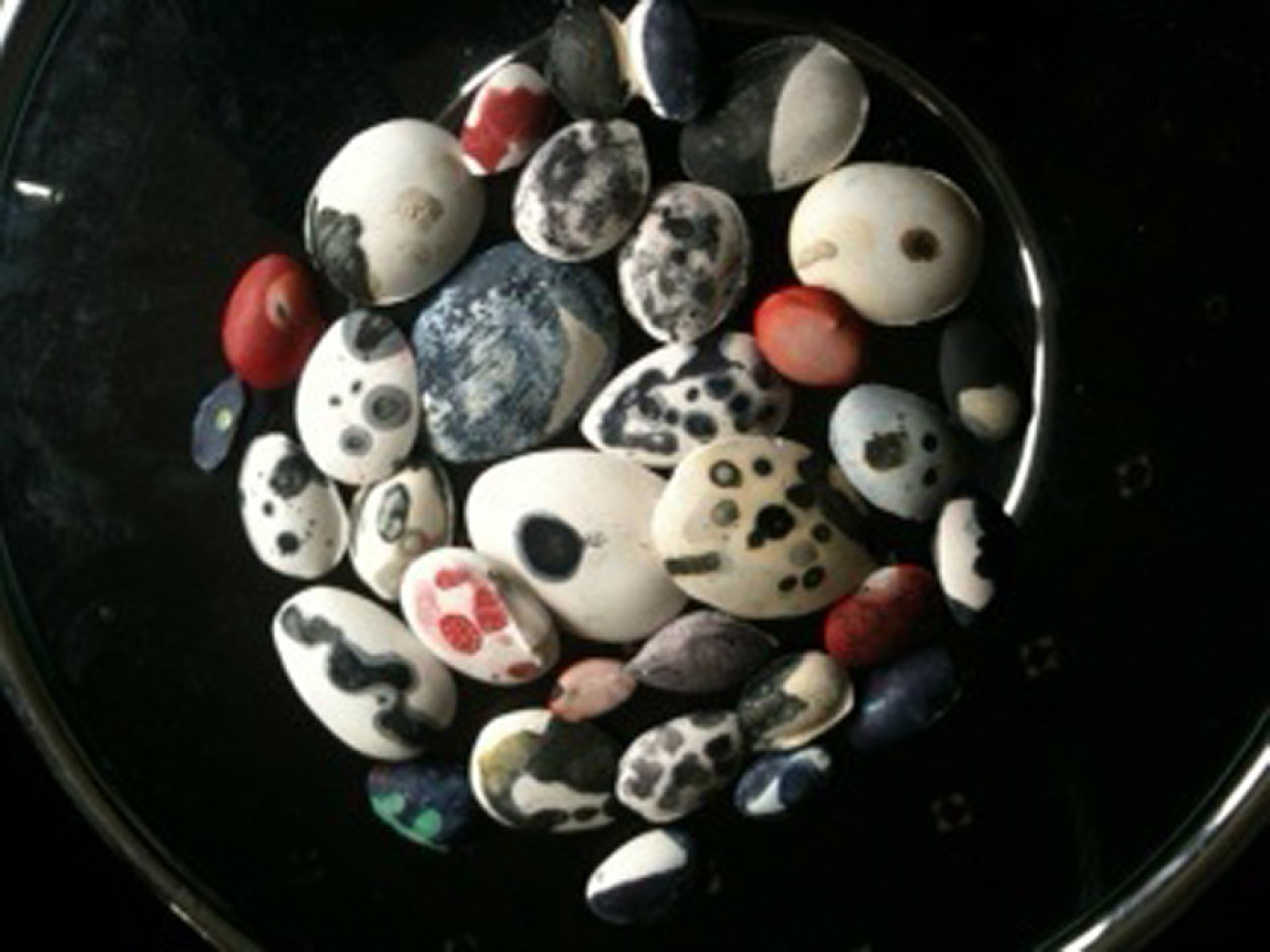
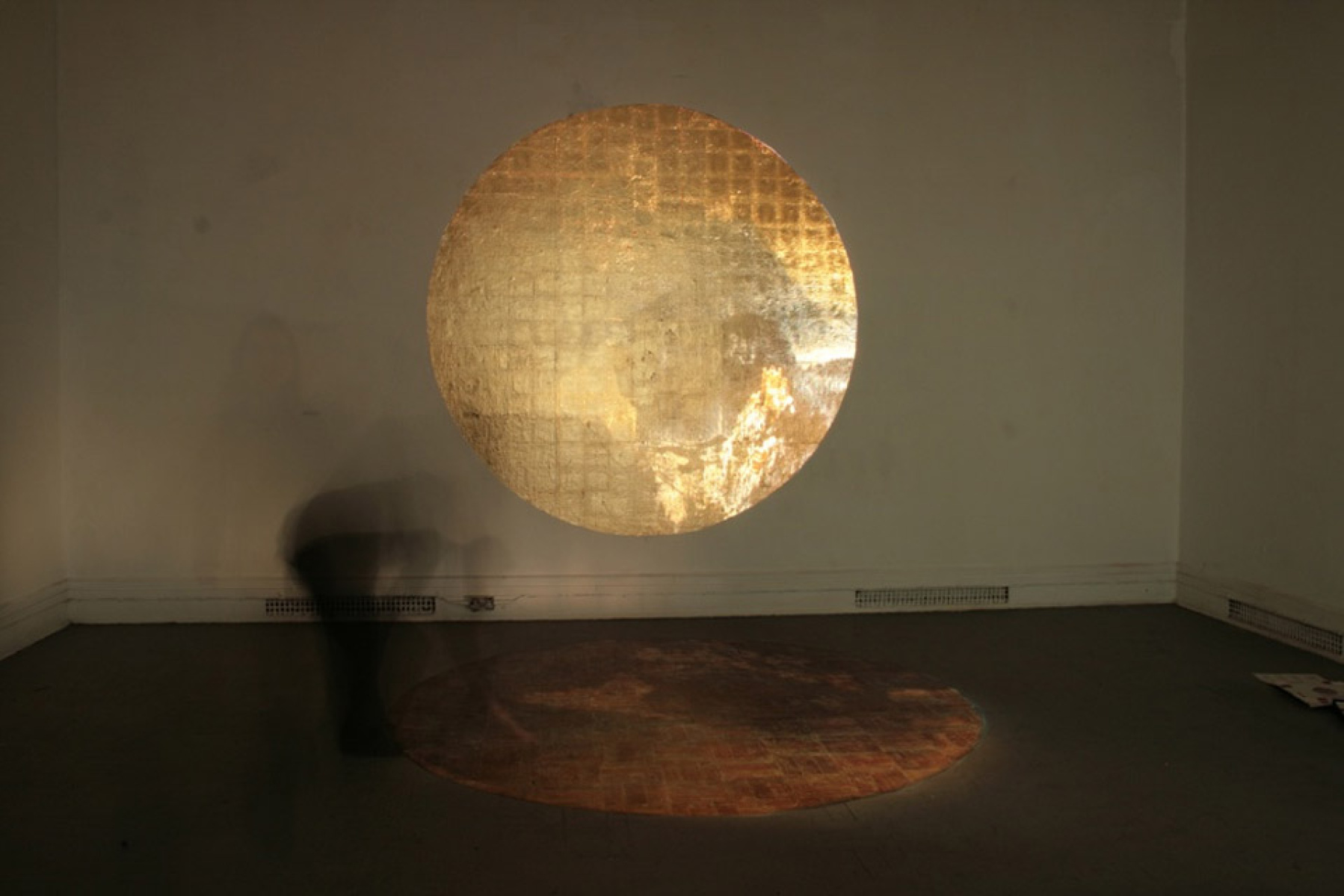
the voice and nothing more - 2009
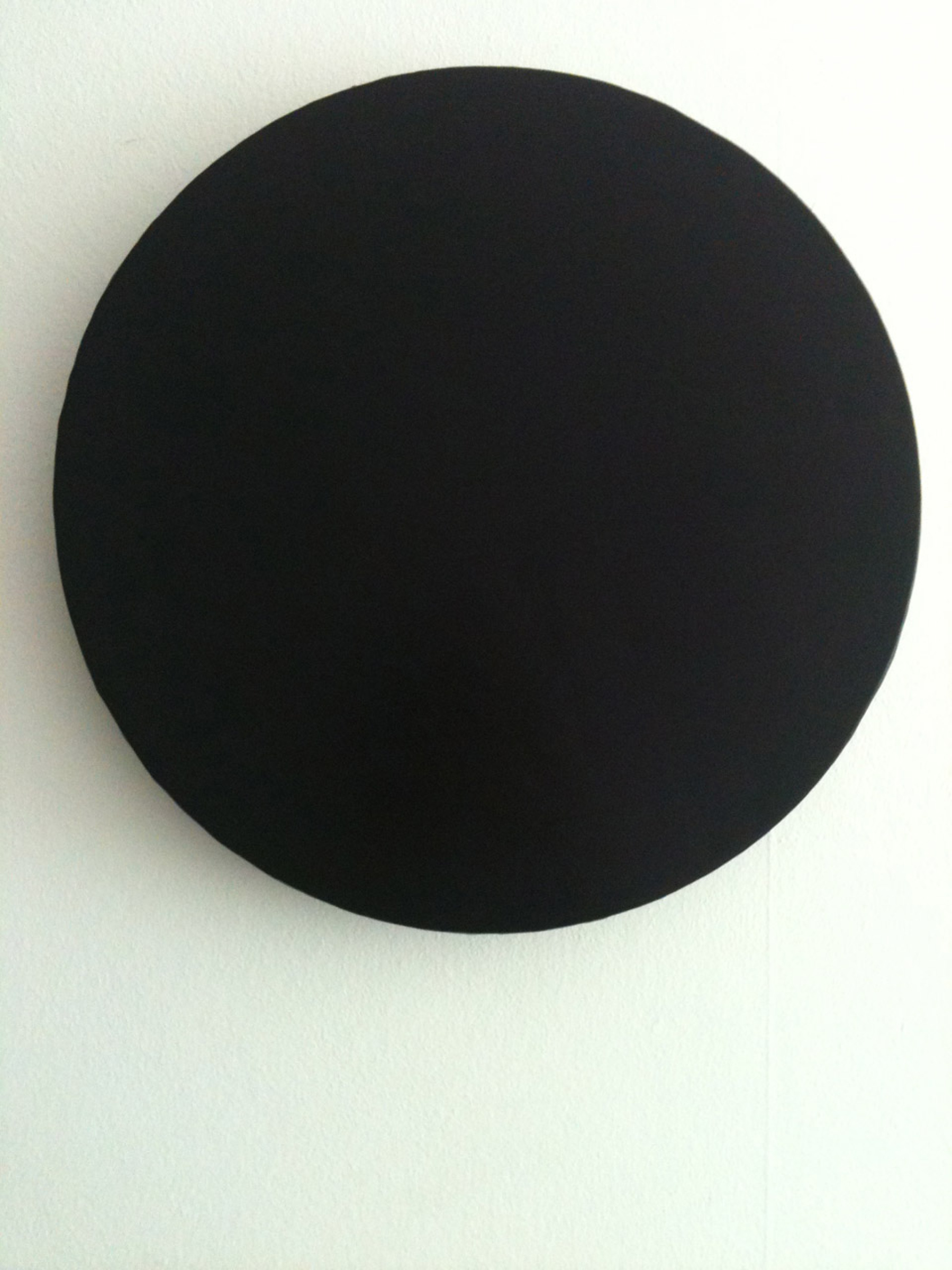
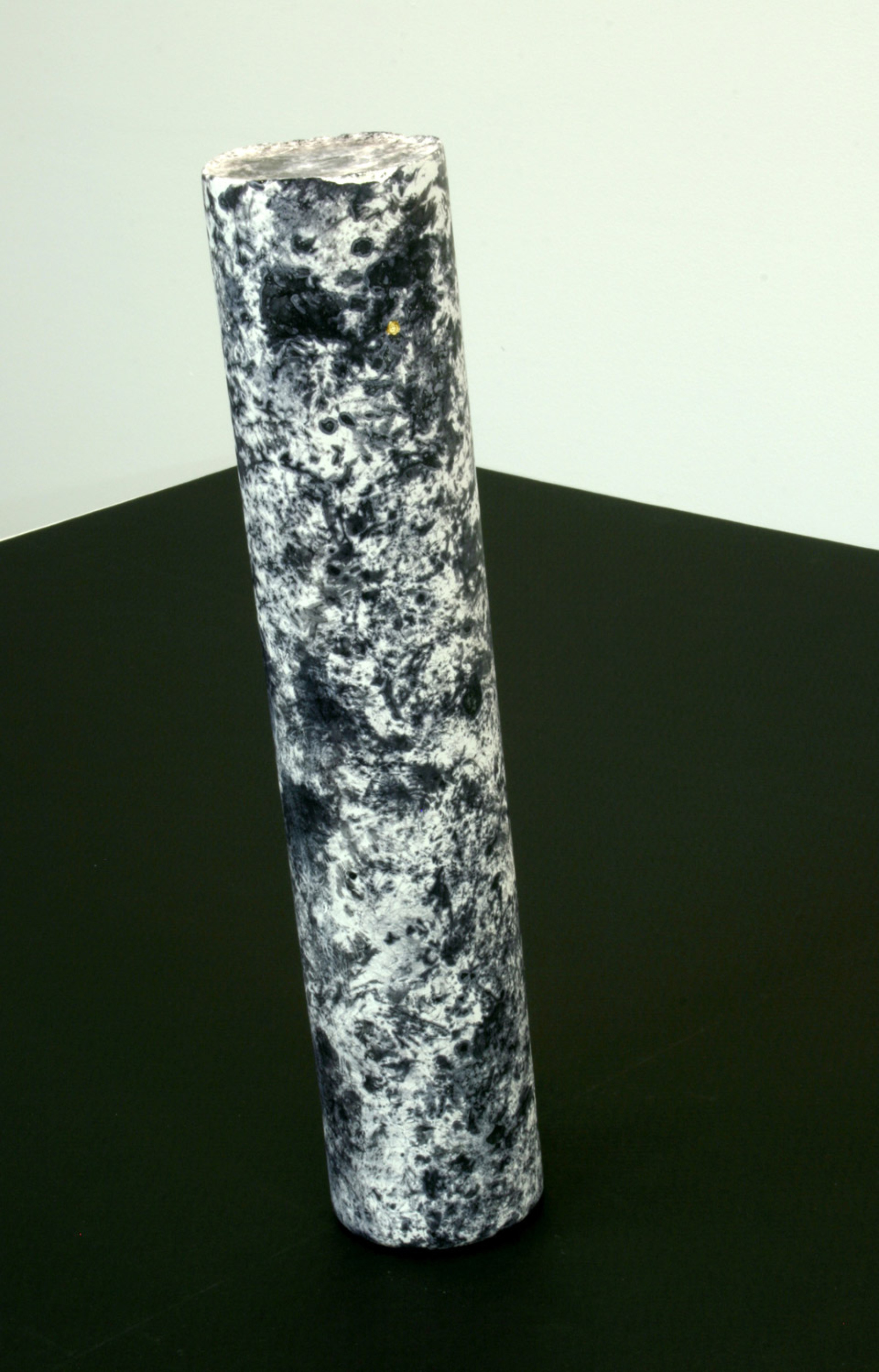
‘spaces/places/senses/places//senses/spaces’, VAC, Portsmouth, Virginia, USA 2009
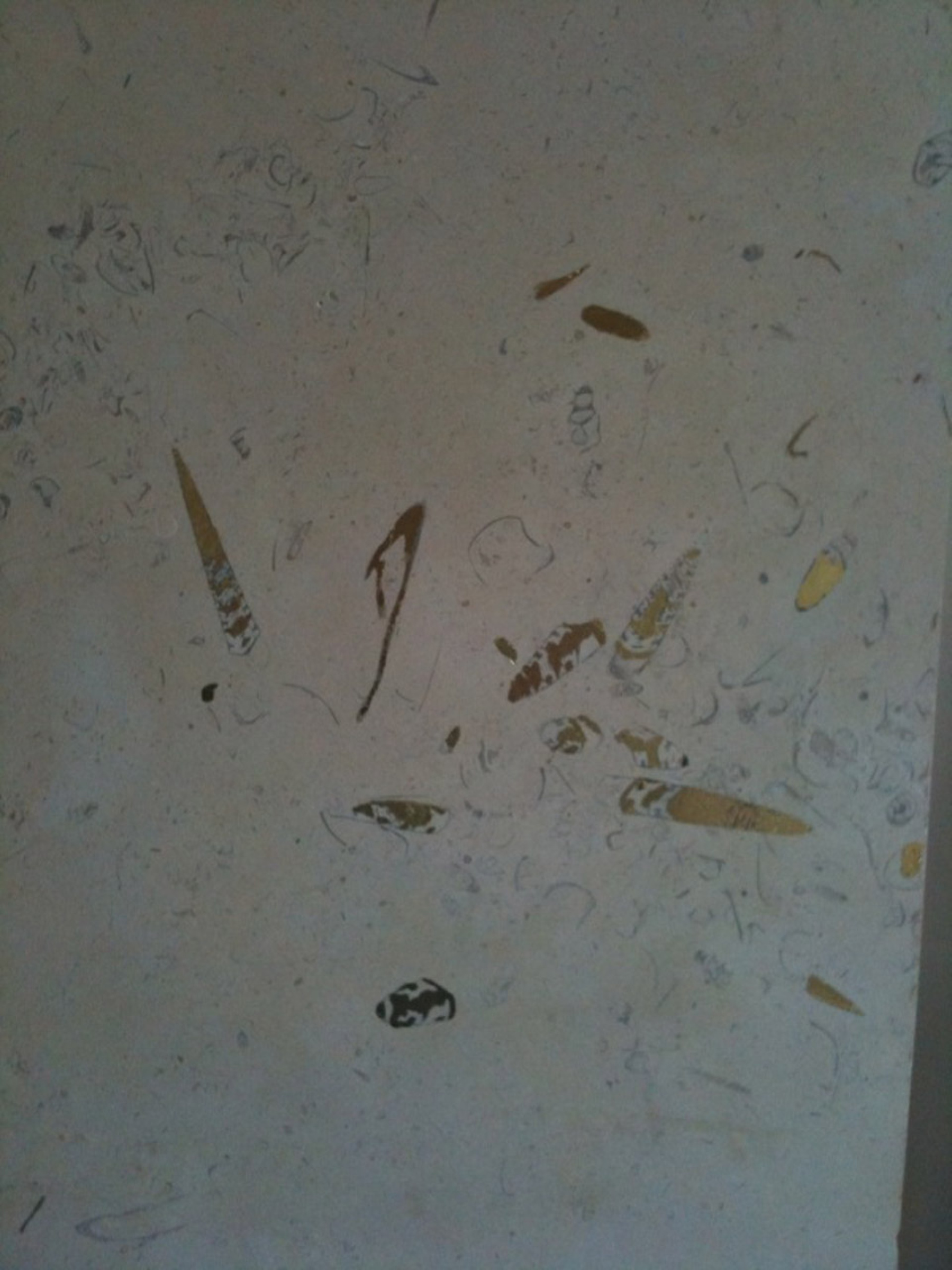
Commissioned, The City and County Museum, Lincoln 2007/8
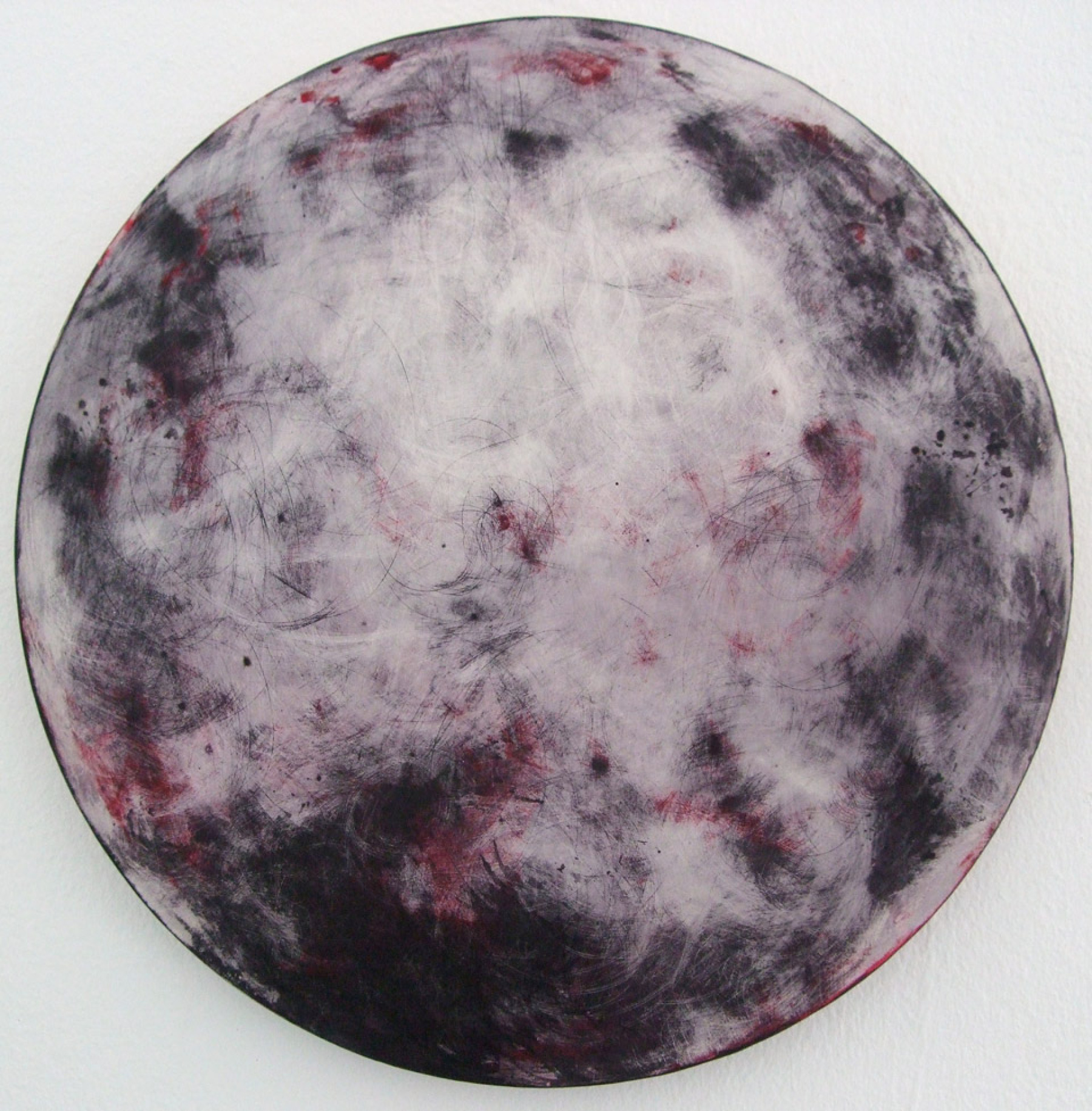
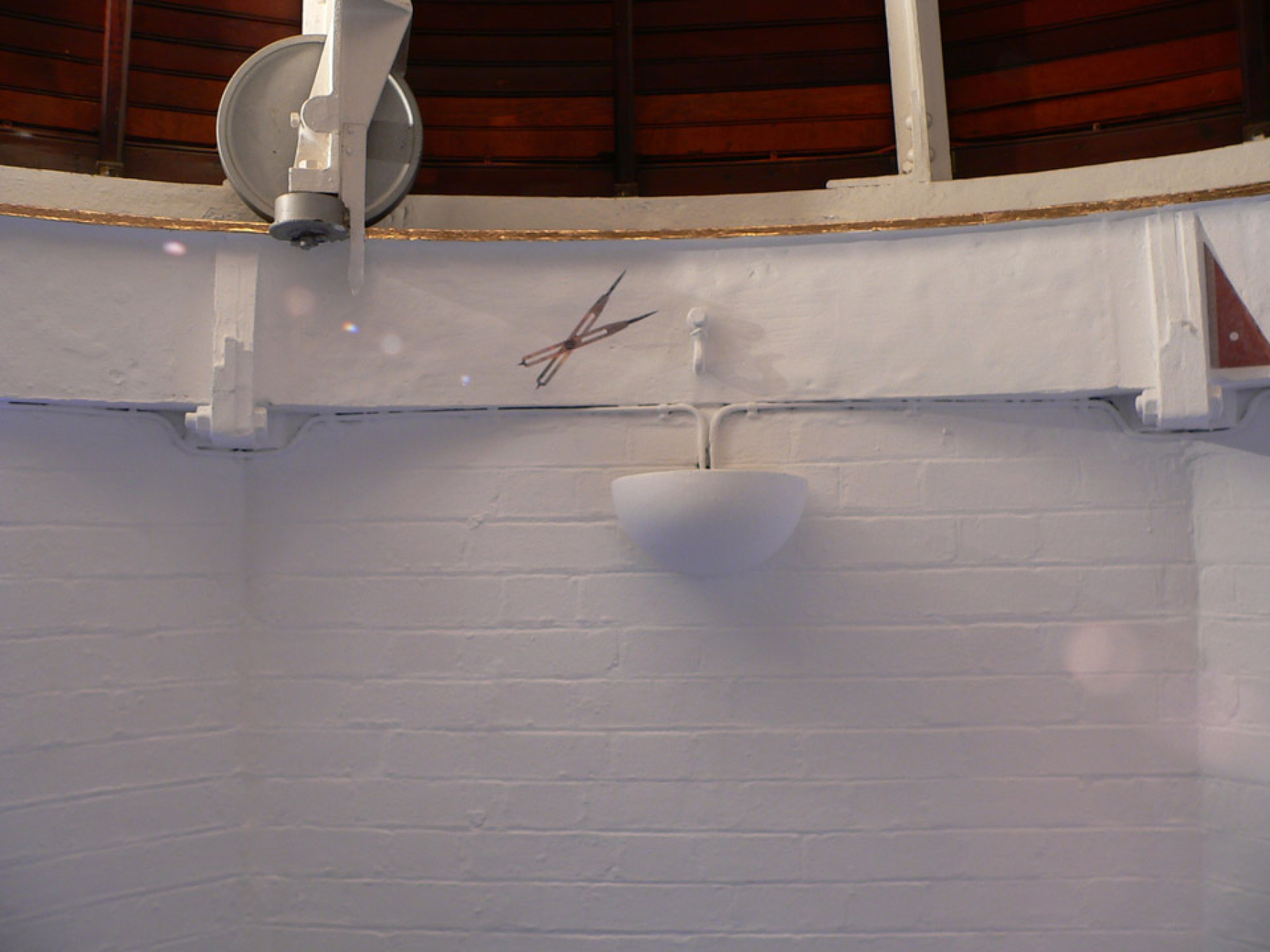
Observatory UCL 2005
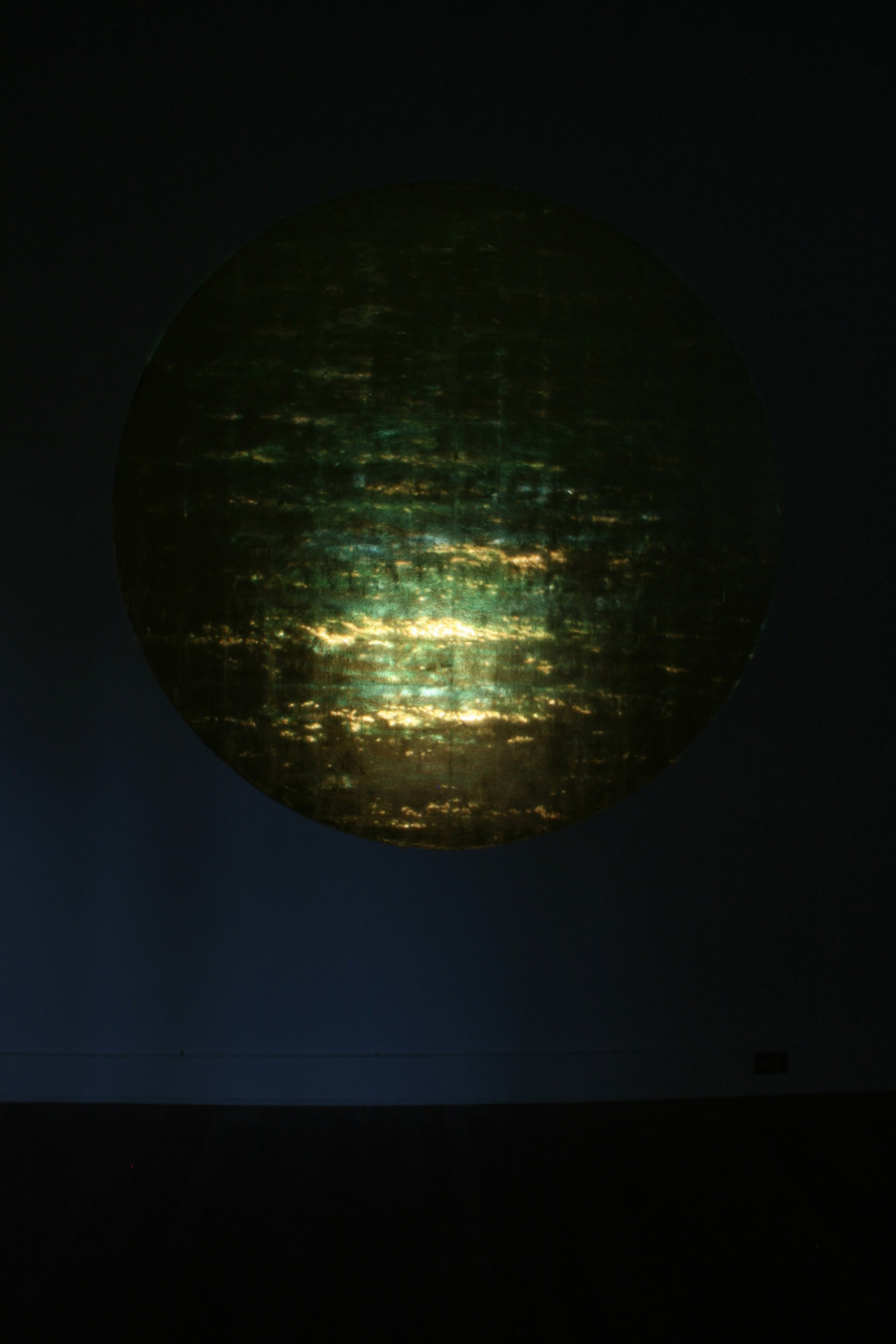
spaces/places/senses/places//senses/spaces, VAC, Portsmouth, Virginia, USA 2009
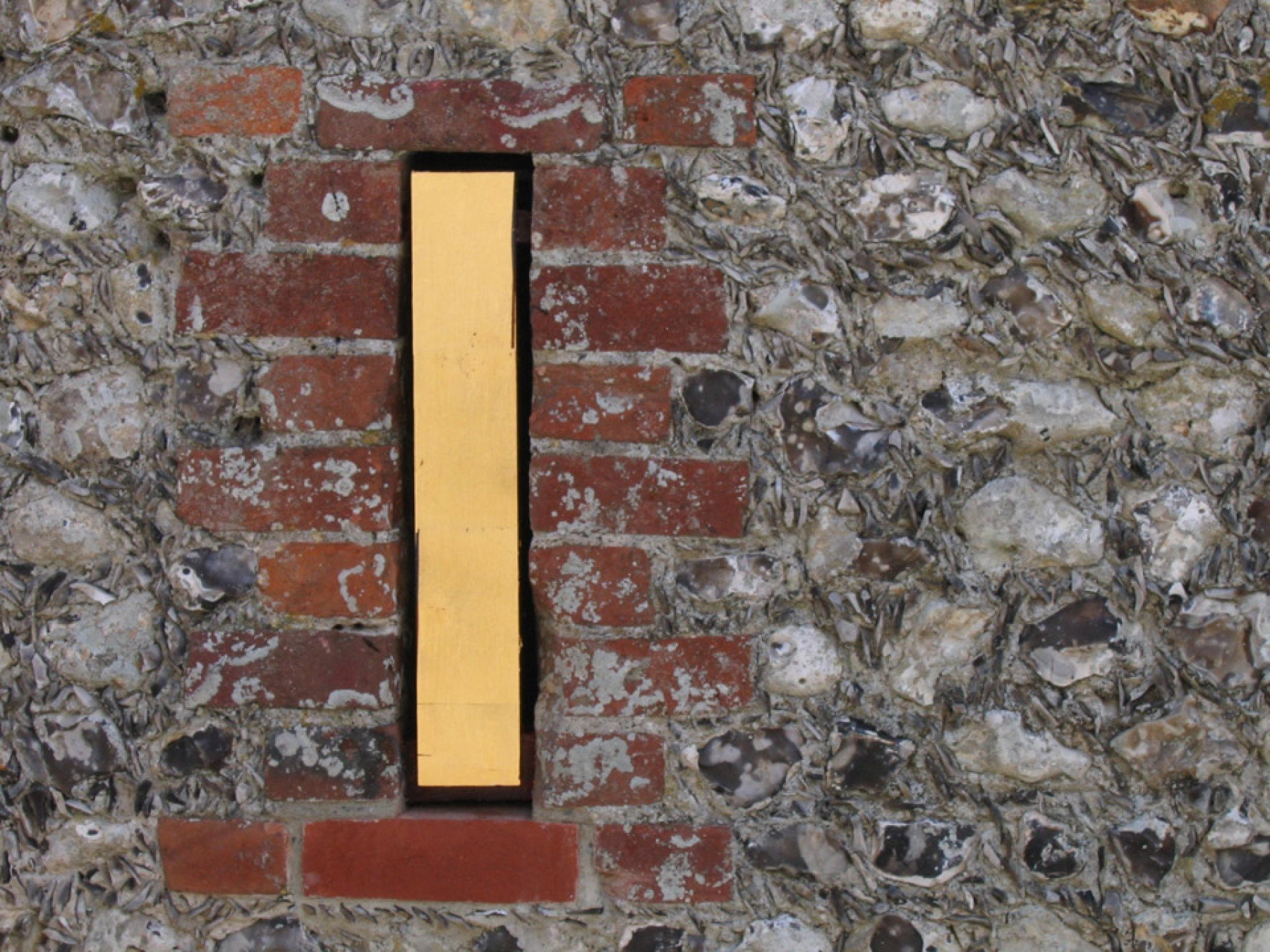
West Dean College, Edward James Foundation 2005
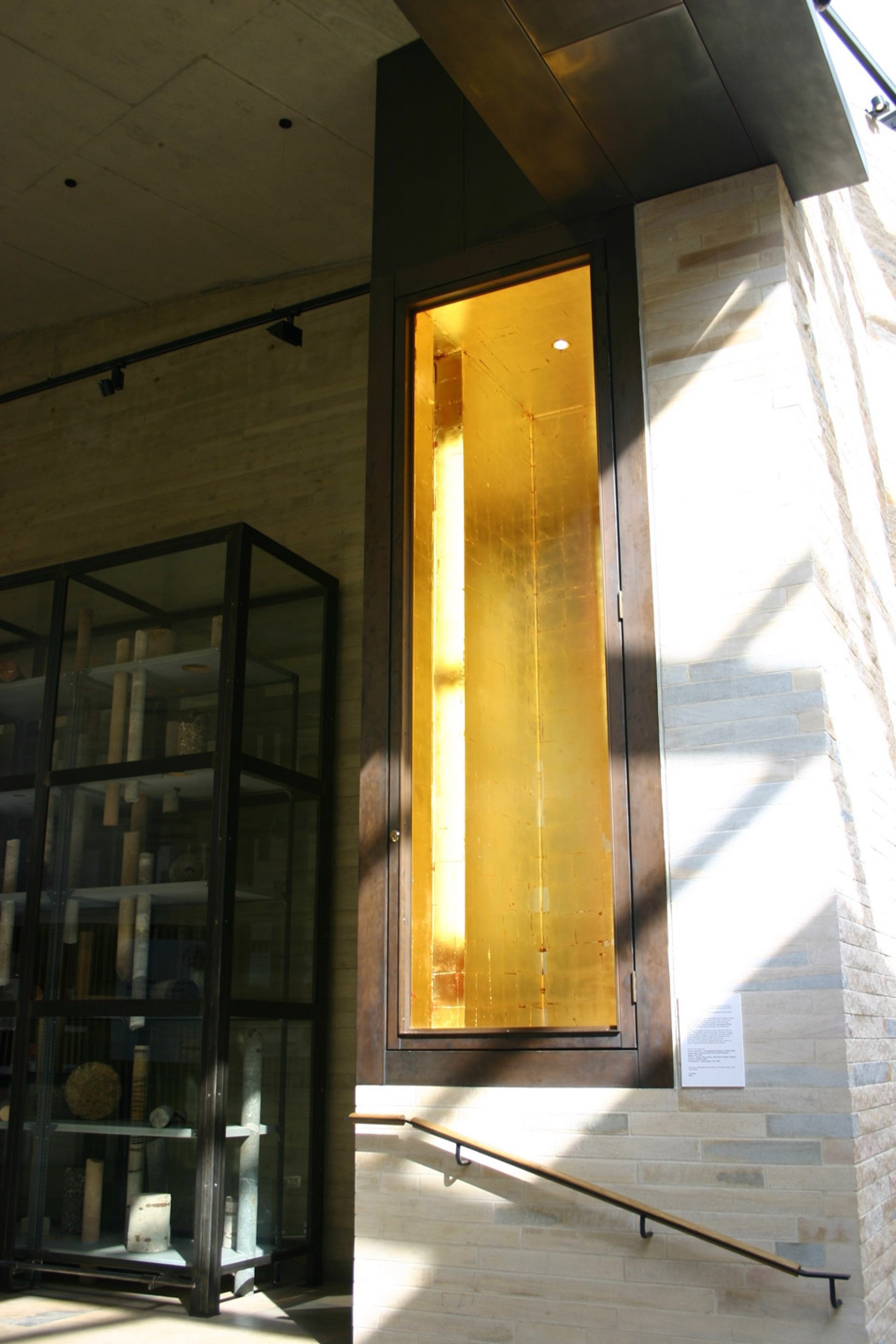
The City and County Museum, Lincoln 2006
Slade School of Fine Art
University College London
Gower Street
London
WC1E 6BT
Biography
Born in Grimsby 1953, I studied as both graduate and undergraduate at the Slade 1972-1977 where I was awarded the Boise Travelling Scholarship to Italy. In 1986 I was appointed lecturer at the Slade and from 1989-2002 directed the Slade Summer School and the Affiliate Programme. I am currently Senior Lecturer on the graduate painting programme, Co-Director of The Material Research Project and Director of the Material Museum.
Research Summary
My work is concerned with the interactions of measurement, space, light and colour and employs a wide range of material and medium including, pigment, mosaic, gold leaf, image transfer, wax, limestone and various printing processes. The work draws attention to the nature of archiving, historic materials and ideas of craftsmanship, incorporating traditional and contemporary techniques. It explores the relationship between the object and the subject of painting; the intervening space between the idea and the touch and the emotional separateness of making and the expanse of time between these events.
A great deal of my practice involves the investigation of methods and materials, mostly those that relate to painting, which are central to my practice and increasingly important in my teaching. I am interested in how the contemporary painter considers, believes or understands that knowledge of methods and materials is relevant to the creative process. A key part of my research creates situations that empower the practitioner by paying attention to the activity of making and reaffirming the understanding of craftsmanship and materials and their implications in aesthetic decision making.
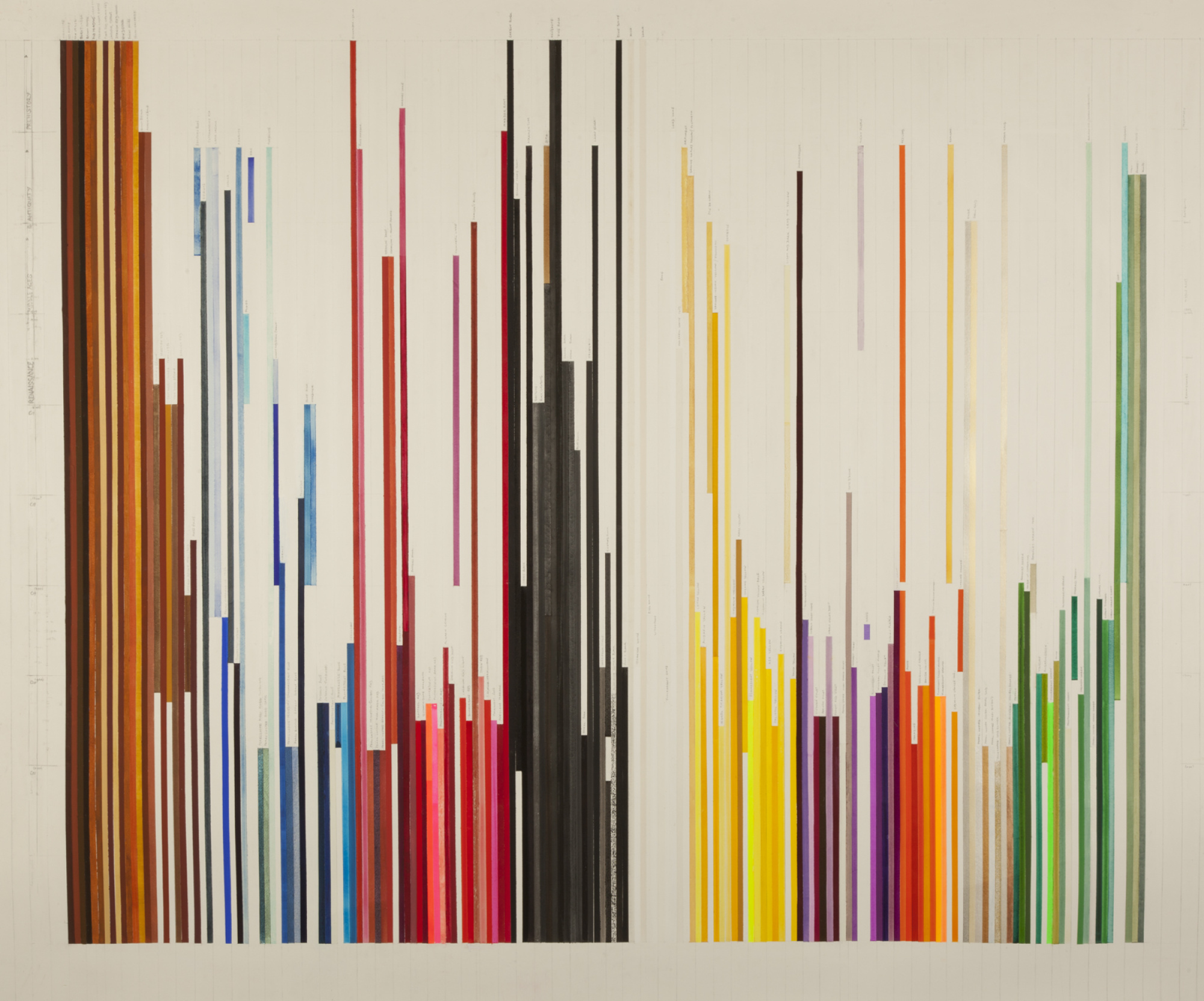
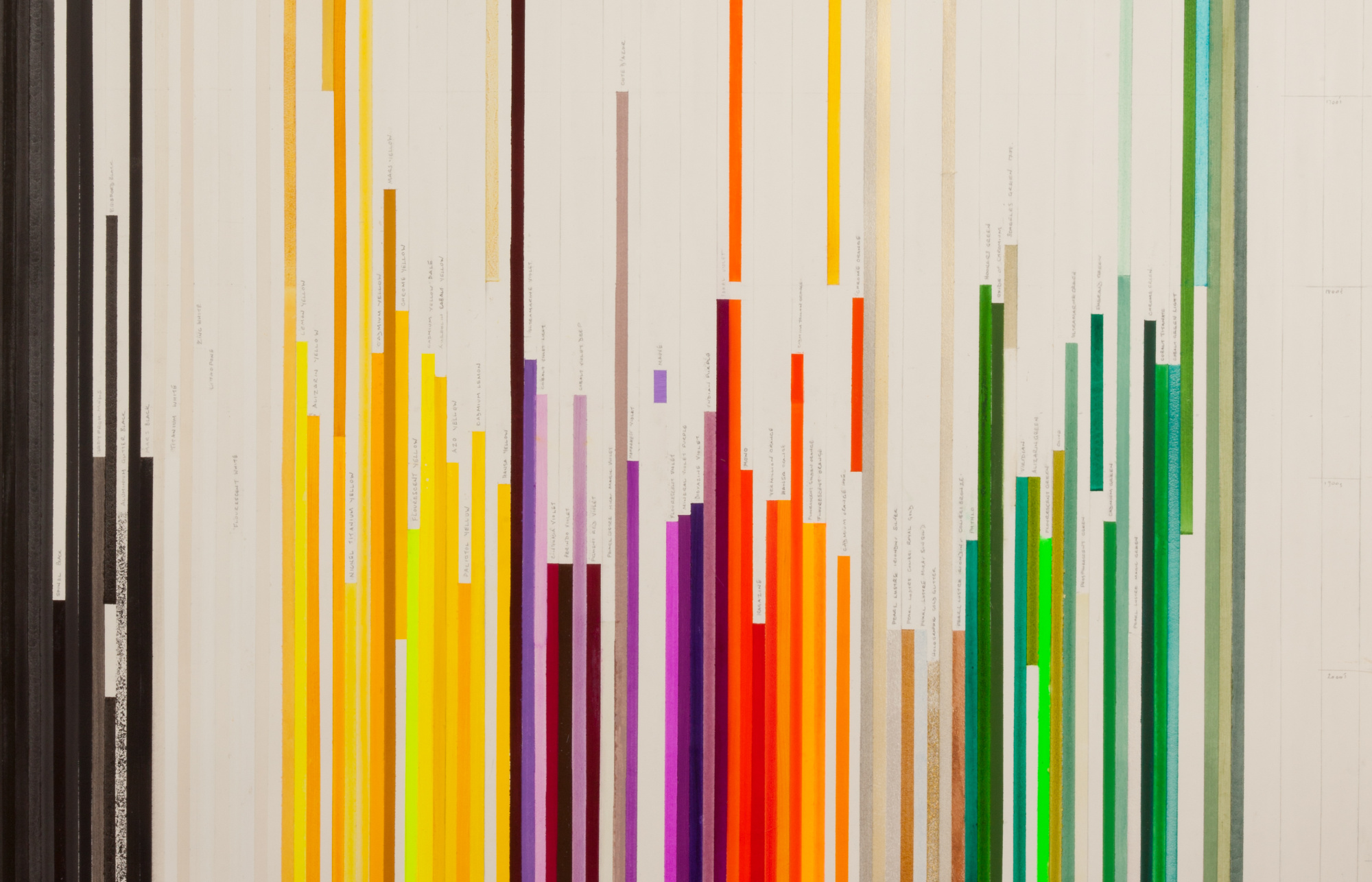
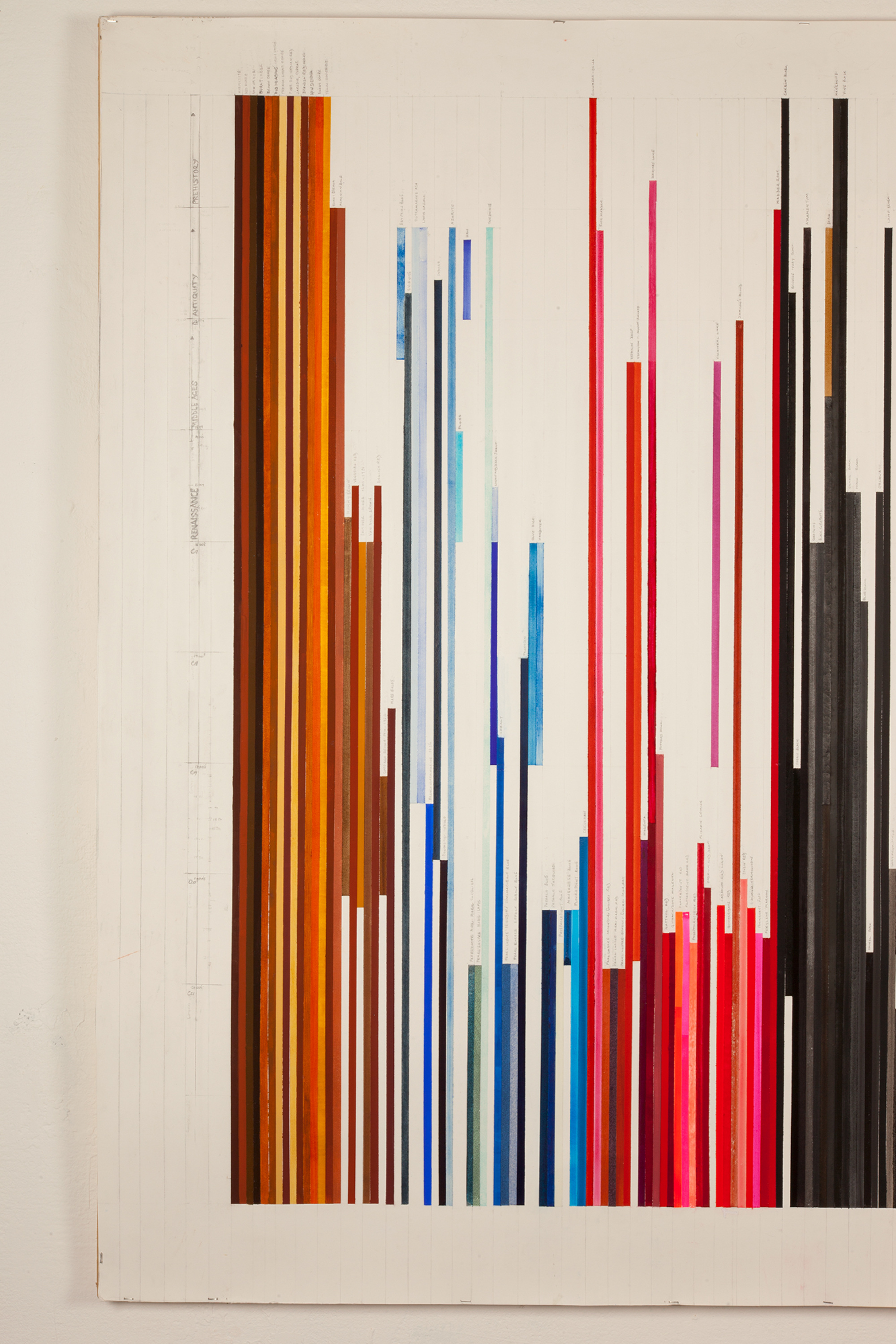
In 2003 I was invited to be Artist in Residence at the Usher Gallery, Lincoln and during this period I made a number of installation works, which were the beginning of an ongoing series of installations works entitled ‘The Journeyman Works’. These works deal with ideas of pictorial illusion in architectural spaces and incorporate ideas relating to the understanding and investigation of the painter’s craft. All works have an understated an metaphysical quality and their temporary nature is an important part of their process. This project led to the development in 2008 of a collaborative partnership Simson&Volley with Henrietta Simson, which includes the use of 2 & 3 dimensional works, projection and sound. In 2009 I was elected a brother of the Art Workers Guild. From 2012-16 I served on the Cathedrals Fabric Commission for England Appointments Committee and since 2016 the Fabric Appointments Committee of Coventry Cathedral. Recently I completed The Pigment Timeline, a visual historical timeline of natural and manufactured colour made from 180 pigments, sequentially ordered chronologically as they emerge onto the artists’ palette from the Neolithic to the contemporary. I am currently working on a UCL CHIRP Small Research Grant – The Pigment Timeline Project with Dr Ruth Siddall and Gary Woodley. Also a , Grand Challenges Sustainable Cities Small Grants, UCL, From Pigments to Solar Power, with Dr Hugo Bronstein, Dr Ruth Siddall and Onya McCausland.
Teaching Summary
My experimental approaches to questioning how and why we engage with materials have been at the forefront of my teaching. In 2012 I jointly developed the Materials Research Project (MRP), which along with colleagues at the Slade, has led to the development of the MRP Mobile Workstation (with Gary Woodley), the Pigment Library and handmade Colour Charts. I am Principal Investigator on AHRC-funded Collaborative Doctoral project with artists’ suppliers Winsor & Newton, ‘The Materials Research Project: From Landscape to Colour’ (2013-2016). I was awarded the 2013 Provost’s Teaching Award for my work in highlighting the importance of material understanding to the processes of making. I am currently writing the Art School Guide to Material Practice, Vol.I Supports, Grounds & Surfaces.
Exhibitions
Objects of the Misanthropocene: Unearthing futures (2022) 2022 - Octagon Gallery, UCL
Speculative exhibition inspired by fictional accounts of the Anthropocene aims to generate a sense of responsibility for caring for our planet now.
for one night only 2022 - Griffin Gallery
Colour/Pigment/Poetry 2022 - Online: https://www.ucl.ac.uk/slade/events/shows/colour-and-poetry-iv
Online exhibition to accompany Colour & Poetry: A Symposium IV, 20 – 22 March 2022, is a cross and interdisciplinary three-day online event held by the Slade in celebration of International Colour Day, World Poetry Day and World Pigment Day.
Colour/Collage/Poetry 2021 - Online: https://www.ucl.ac.uk/slade/events/exhibitions/colour-collage-poetry
Colour/Collage/Poetry, an online exhibition accompanying the symposium, Colour & Poetry: A Symposium is a cross and interdisciplinary four-day event held by the Slade in celebration of International Colour Day, World Poetry Day and World Pigment Day.
Apertures 2019 - Fondamente Gallery
The Adjacent Possible 2019 - Muscarelle Museum of Art
This exhibition considered neuro-aesthetics and brought first-hand experiential interaction with contemporary abstract works from a distinguished group of living artists composed of Michelle Benoit, Phil Chang, Stefan Chinov, Jaynie Crimmins, Sara Dochow, Diane Englander, Pamela Farrell, Karen Fitzgerald, Helen O’Leary, Lorraine Tady, Jo Volley and Susan York. The twelve invited artists make work that moves back and forth between two and three dimensions. Some are painters who work three dimensionally while others work in and across dimensions and mediums.
MACRO Asilo, Artist-in-Residence show 2019 - MACRO Asilo, Rome, Italy
Residency at MACRO Asilo, Rome, 14 - 21 April, show: 20/21 April 2019
The Nomenclature of Colours 2019 - Pigment, Copper Leaf - Slade School of Fine Art, UCL, Gower Street, London WC1E 6BT
The Nomenclature of Colours (named after Werner's 1814 Nomenclature of Colours - a taxonomic guide to the colours of the natural world). Slade staff, students, alumni and guests were invited to produce a single work with the title of the show being the theme for the work. The exhibition was curated by Jo Volley, Slide School Deputy Director (Projects), and Stephanie Nebbia, artist and TFAC Manager, ColArt.
Coast 2018 - Sassoon Gallery
Colour and Emotion 2018 - The Street Gallery
The Colour & Emotion exhibition is the outcome of an interdisciplinary and collaborative research project looking at colour, sensation and emotion and was funded by a UCL Grand Challenges: Human Wellbeing Award. It brought together artists, a human geographer, a speech and language therapists and a group of adults with acquired communication difficulties in a series of co-production workshops in January - March 2017.
FAITH 2017 - Austin Forum
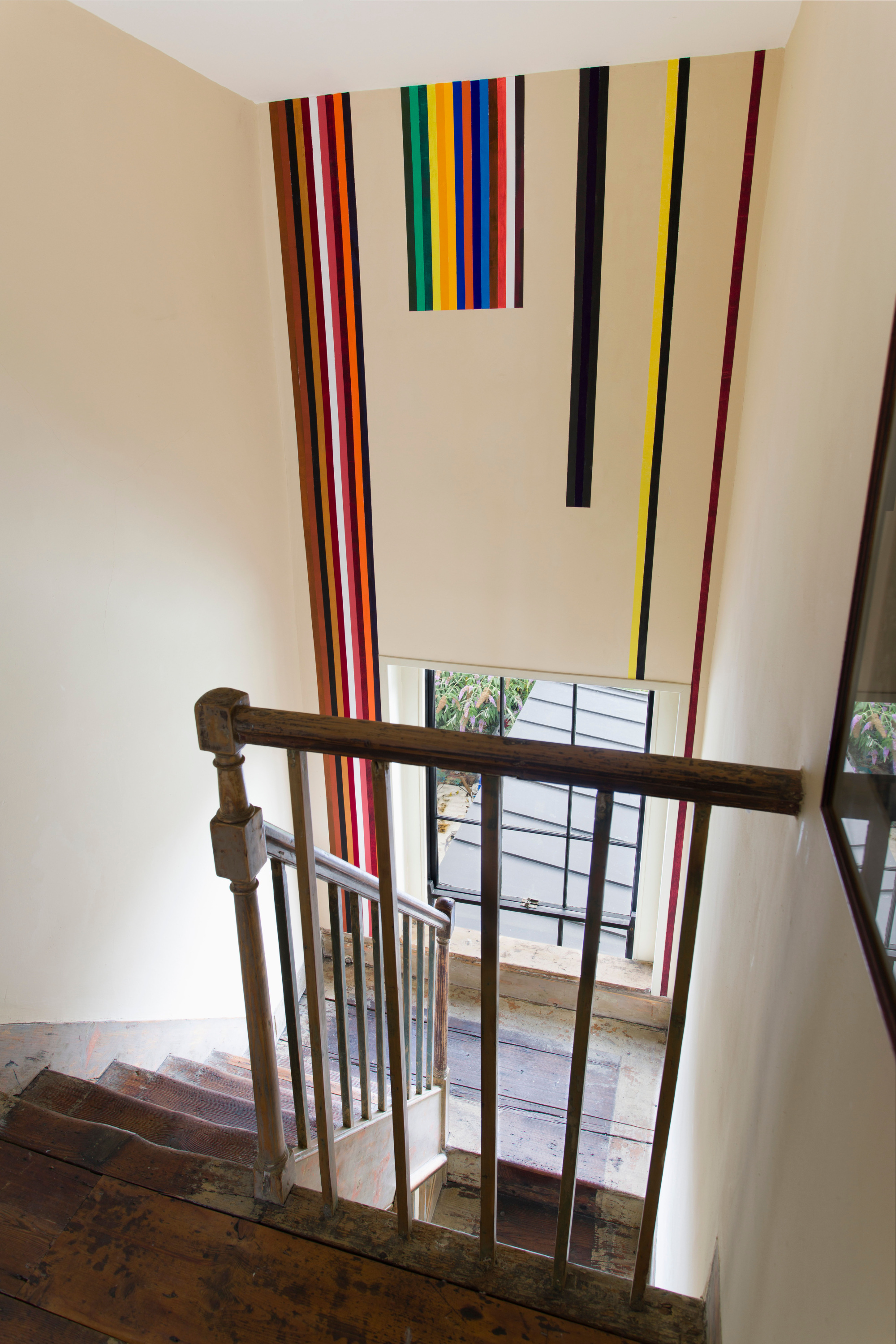
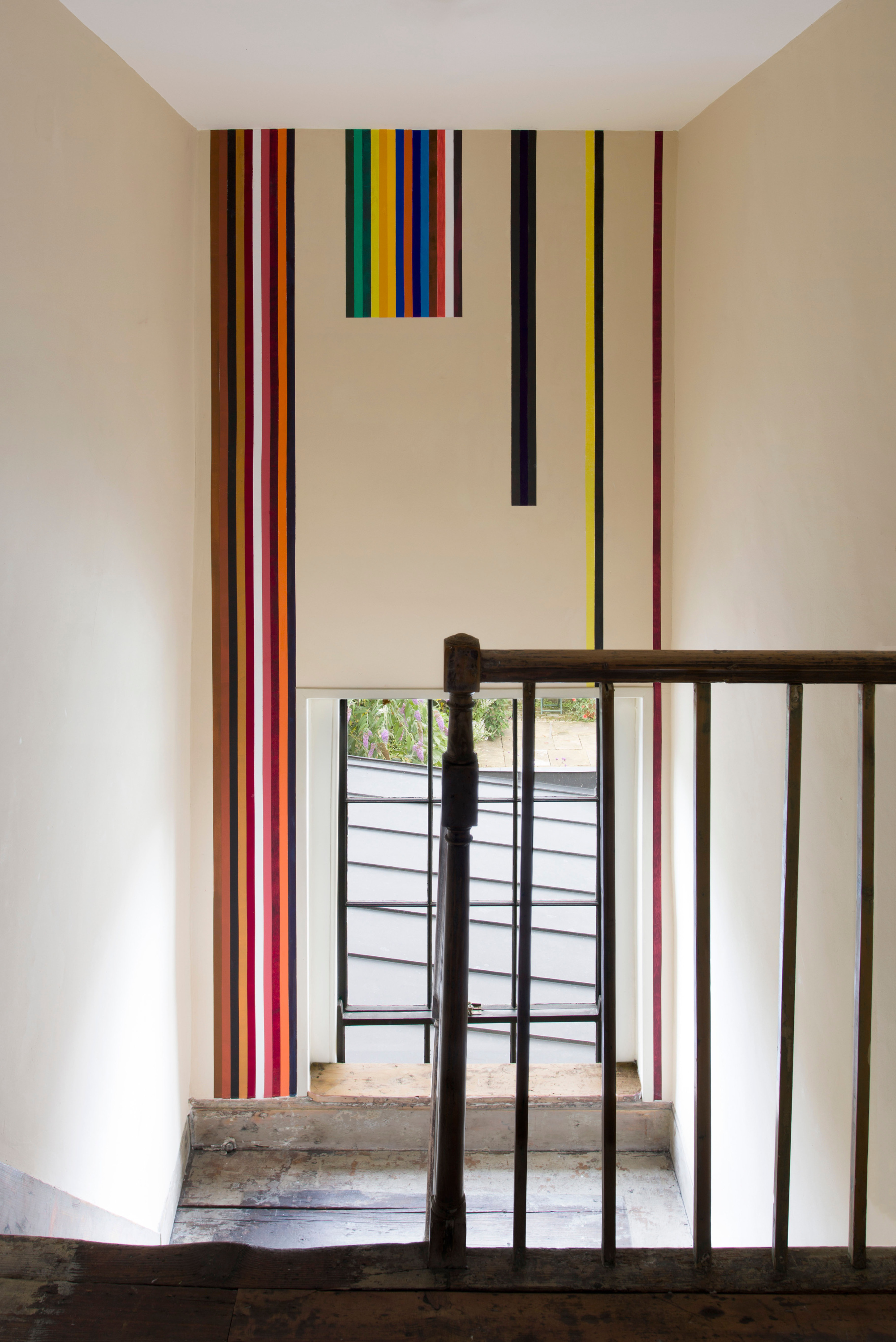
Among The Colours:Estelle Thompson & Jo Volley 2017 - North Lodge Gallery, UCL
Two Person exhibition addressing concerns and the history of material colour through the production of two large scale installed wall works.
Ingredients, Method, Serving Suggestion 2016 - Art in Perpetuity Trust Gallery (A.P.T.)
Ingredients, Method, Serving Suggestion 2016 - Art in Perpetuity Gallery
Charcoal Works 2016 - Hardwick Gallery, University of Gloucestershire
harcoal Works is an exhibition of commissioned artworks that have been produced with the charcoaled remains of the iconic oak sculpture ‘Place’, that stood on the Forest of Dean Sculpture Trail for 29 years.
In October 2015 a charcoal ‘clamp’ was built on the same location in the forest where the oak sculpture had stood. For three days and two nights, beneath a huge earth covered mound, an intense heat steamed, smoked and slowly carbonised the wood.
The exhibition at Hardwick Gallery brings the recycling of a single artwork into multiple elements full circle, and Onya McCausland has invited 16 artists to produce new work from the charcoal according to their diverse practices. The exhibition includes works by Edward Allington, Sophie Bouvier Auslander, Jess Bryant, Marcin Gawin & Malgorzata Lucyna Zajac, Joy Gregory, Tess Jaray, James Keith, Sam Llewellyn- Jones, Lisa Milroy, Onya McCausland, Jayne Parker, Lotte Scott, Joy Sleeman, Andrew Stonyer, Kay Tabernacle and Jo Volley.
Slade Print Fair 2014 - Slade Research Centre, UCL
A Print Fair of work by Slade staff, students and alumni in aid of raising funds for Slade scholarships and bursaries.
Material and Matter 2014 - La Grua Center, Stonnington, CT
Artists and scientists share a fascination with the world and its multitudinous forms. While they both possess a driving sense of wonder, their approach is very different. Scientists seek to understand the world, and they use instrumentation and methodical procedures to unravel, uncover and dissect. They find the answers to their questions by breaking the world down into component parts and deconstructing the physical world into its primal elements.
Artists are driven by wonder as well, but they are more inclined to approach the world and its complexity with a sense of awe and celebration. They relish the many ways a body experiences the physical world. The complexity of living forms--from the petri dish to a murmuration of birds—is an encounter with an extraordinary pattern rather than a search for its component parts. For an artist working in this way, the expansive space/time multiverse and its cosmic net of connectedness is an endless source of wonder, awe and amazement.
Four accomplished artists living in Boston, Brooklyn, London and Williamsburg will come together at The La Grua Center to explore their common passion for how materiality and the physicality of the world informs their art making. Working in a non-representational manner, they explore material and matter in both 2D and 3D forms. Playful, engaging, provocative and exquisitely crafted, the show brings together four different visions of how to engage with wonder and the world.
Exhibit will be on display for the months of November and December. Opening Reception Friday, November 7th, from 5-7pm.
Open to the public and free of charge.
- See more at: https://lagruacenter.org/event/detail/2014/11/7/5/00/pm/103-barlowgroup#sthash.QD0gdl2B.dpuf
Constellations 2014 - Slade Research Centre, UCL
Cities Methodologies 2014 took place in October 2014. Click on the poster for the programme (pdf).
For this edition, we received a record number of applications from urban researchers across the globe to exhibit and showcase their work in the week-long programme.
The successful applicants represent the bredth and interdisciplinary nature of the study into urbanism and cities. Internationally, the work spans countries as diverse as India, Hong Kong, Kenya, Japan, Lebanon, Italy, Brazil, Turkey, Ethiopia, Greece and the United States.
The programme features innovative means of researching the city, from an interactive performance that questions the formation of urban space through storytelling, a series of walks using technology in Soho, photography in Hackney and graffiti in Waterloo, to the launch of Urban Pamphleteer #3: Design & Trust.
This edition of Cities Methodologies also launched Cities Imaginaries, the new Urban Lab programme of events and research on the representation of cities in literature and media. The novelist and academic, Amit Chaudhuri, gave a lecture on 'The New Provinces: A writer's changing relationship to the ordinary in the time of globalisation'.
Table Top Museums 2014 - Art Worker's Guild, London
New Works for the New World 2014 - Linda Matney Gallery, Williamsburg, VA
Copper is restless until it becomes gold... 2014 - Wilkins Building, UCL
Simson&Volley’s new work for the Material Museum attempts alchemy: transforming base metal into gold.
*Meister Eckhart c.1260-1328, German theologian, philosopher and mystic.
The Material Museum (Est. 2012 at Slade School of Fine Art, UCL.) promotes knowledge, understanding and appreciation of the role of materials within thinking and making.
A Little Patch of Yellow Wall 2014 - Lion and Lamb Gallery, Hoxton, London
A Little Patch of Yellow Wall
25th April - 17th May
Peter Abrahams | boyleANDshaw | Fran Burden | John Carter | Maria Chevska | Rose Davey | Tess Jaray | Natasha Kidd | Edwina Leapman | Mary Mathieson |
Avis Newman | Bernardo Ortiz | Paul Rosenbloom | Martin Richman | Pip Seymour | Yuko Shiraishi | Susan Sluglett | Jeffrey Steele | Jo Volley |
Wallace&Seymour | Cathy Ward | Ian Whittlesea
Curated by Jane Bustin
Visual Thinking 2014 - Camden Arts Centre, London, UK
Turning Landscape into Colour investigates the origins of earth pigments - ochres - in the landscape and considers their significance as contemporary cultural materials. This project will explore the variations between different colours collected from separate sites across the mid Pennines. Onya McCausland has invited researchers from different disciplines and institutions to contribute. McCausland will bring the collected earths to the Artists' Studio and begin processing the raw material, turning it into ochre pigment and finally paint.
Timelines 2014 - North Cloisters, UCL, London UK; North Lodge, UCL, London UK; Muscarelle Museum of Art, Virginia, USA; Fondamenta Gallery, Rome Italy
Another Way of Seeing: Contemporary Art responds to Planetary Science 2013 - UCL, London
An exhibition of installations made in response to planetary science goes on display today at UCL.
Exoplanets, all-sky surveys, the aurora borealis and the search for extra-terrestrial life are just some of the themes that are represented in the installations made by seven contemporary artists.
The exhibition has been timed to coincide with the European Planetary Science Congress 2013 which is the largest annual gathering of planetary scientists in the world and is being held at UCL this year.
- See more at: https://www.ucl.ac.uk/news/news-articles/0913/130909-Another-Way-of-Seeing#sthash.7e0Ve7Ue.dpuf
Fundadores 2013 - Casa das Artes de Tavira, Portugal
Exhibition of the founding members of Oficina Bartolomeu dos Santos (OBS).
Chapter 2013 - Austin Forum, London
Priest and artist Gianni Notarianni O.S.A. (Order of Saint Augustine), and artists Robert Phillips, Rose Davey, Donal Moloney, Kieren Reed and Sarah Kate Wilson have invited eighteen established and emerging artists including Ed Allington, Nick Goss, Bruce McLean and Jo Volley to show in Chapter, the inaugural show at Austin Forum. The exhibition takes place at the Augustinian Centre, 55 Fulham Palace Road, London W6 8AU, from 21 June - 4 July 2013 and the show is open Tuesday - Sunday 11am - 7pm, and Monday by appointment.
Re-imagining Hollar, Cities Methodologies 2013 - Slade Research Centre, UCL, London
A collaborative installation with Henrietta Simson, as Simson&Volley. Part of Cities Methodologies, an annual exhibition and events programme showcasing recent innovations in urban research methods and cross-disciplinary work on cities worldwide.
Turning Landscape Into Colour 2013 - North Lodge, UCL
An exhibition presenting the collaborative research of Jo Volley and Onya McCausland, Slade School of Fine Art, UCL, Dr Spike Bucklow, Hamilton Kerr Institute, University of Cambridge and Dr Ruth Siddall, Earth Sciences, UCL, investigating five materials extracted from the British landscape: chalk, iron oxide, coal blakc, copper and graphite.
Colour as Material 2013 - Finnish Academy of Fine Art, Galleria Fafa, Helsinki
Observations 2013 - UCL Observatory
Group Project in the UCL Observatory
The Hearing Trumpet 2012 - West Dean College
Collaboration with Henrietta Simpson as Simson&Volley. The exhibition (co-curated by Natalie Gale and Rachel Macarthur) saw the fabric of West Dean House reassembled, remapped and retold “like a die-cut book” as the artists subverted various spaces through intervention and installation.
Jerwood Drawing Prize touring exhibition 2012 - various (UK)
Collaboration with Henrietta Simpson as Simson&Volley,
Brittle Crazie Glasse 2012 - Islington Mill, Salford
Entitled 'Ich Bin Der Welt Abhanden Gekommen', a collaborative artwork with Henrietta Simpson as Simson&Volley, part of an exhibition curated by Lucy Newman Cleeve.
Videooooh 2012 - Slade Research Centre, Woburn Square, London
Disc, a collaborative artwork with Henrietta Simson as Simson&Volley. Videoooooh was a collaboration between the Slade School of Fine Art, UCL The One Minutes Foundation, Amsterdam and the Flemish/Dutch house de Buren, Brussels. The exhibition comprises 212 one minute videos made by 193 artists from 33 countries on the subject of Sport, Like/Dislike (truly Olympic) to conincide with the London Olympics.
Bone 2012 - Florence Nightingale Museum, London UK
Group exhibition curated by Simon Gould and Rhiannon Armstrong
Cities Methodologies 2012 - Slade Research Centre, Woburn Square, London
'Green to Gold', by Simpson&Volley is an installation displayed as part of UCL Cities Methodologies, an annual exhibition and programme of events showcasing innovative urban research methodologies. In 2011 the City of London Corporation launched a campaign, Green to Gold, in an attempt to get more people involved in sport and activity with one year to go to the London Olympics. Its aim was to engage and inspire communities to use open spaces for positive recreation. Green to Gold transforms the image of an open green space into a pulsating gilded geometric form. It is part of a series of temporary installation works that deal with the overlap and associations between memory and place and allude to the poetic possibilities held within a landscape in which inner and out vision are reconciled. The work also refers to the golden coffer ceiling paintings by Veronese in the Cheisa di San Sebastiano, patron saint of sport and athletes, in Venice.
Making Space 2012 - Slade Research Centre, Woburn Square, London
An exhibition and symposium exploring artistic process.
Os Gravadores de Tavira 2011 - Casa das Artes de Tavira, Portugal
Cities Methodologies 2011 - Slade Research Centre, Woburn Square, London
Collaborative installation 'Project, project, Protest!' collaboration with Henrietta Simson, as part of UCL Cities Methodologies 2011.
The moment of privacy has passed 2010 - Usher Gallery, Lincoln UK
An exhibition of sketchbooks by contemporary artists, architects and designers.
INK 2010 - North Lodge, UCL, London UK
An exhibition exploring the rich and curious history of ink. Curated by Simon Gould and Rhiannon Armstrong
ReCollection 2010 - Portsea Place, London UK
Artists' work made in response to the Kardo Sesseoff collection at Portsea Place, London.
Sameness & Difference 2010 - The Russian Club, London UK
Collaborative artwork with Bruce McLean, Estelle Thompson and Gary Woodley entitled 'Wardrobe Work'. 'Sameness & Difference' is a group show that explores the current trend in contemporary art for artists to utilize furniture within their practice.
'spaces/places/senses/places/senses/spaces' 2009 - Visual Arts Centre, TCC, Portsmouth, USA
Exhibition by Simson & Volley running concurrently with sculptor Elizabeth Mead.
List of works:
1. Place - Gilded circle with sound and projection (acetate) 7ft.
2. Ellipse - transfer images of the sea at Portsmouth, UK 7ft.
3. Frieze - Graphite drawing directly onto wall in corridors dimensions to be decided
4. Objects for cases:
JV/PI/09 a. Pillar I - plaster and iron gall ink 14’’ x 2 ½’’
JV/PII/09 b. Pillar II - plaster and iron gall ink, pigment 9 ½ “ x 2 ½’’
JV/PIII/09 c. Pillar III - plaster and iron gall ink, pigment 9” x 1”
JV/U/09 d. Urchin - plaster and iron gall ink and gold 4” diameter
JV/FI/09 e. Fragment I – plaster and iron gall ink 3’’
JV/FII/09 f. Fragment II – plaster and iron gall ink 1 ¾ ‘’
JV/FIII/09 g. Fragment III – plaster and iron gall ink 1’’
JV/FIV/09 h. Fragment IV – plaster and iron gall ink, pigment 3’’
The exhibition ‘spaces/places/senses/places/senses/spaces’ came about by invitation from the American Sculptor Elizabeth Mead who I had previously made work and shown with at the Casa das Artes de Tavira, Portugal, 2004.
The Visual Arts Center is the art school of Tidewater Community College and is located in the historic section of Olde Towne, Portsmouth, VA a city of 100,000 people situated in the Hampton Roads metropolitan area with a population of £1.5M. It serves 1.121 students annually in both studio and art history programmes.
They gallery comprises of four basic spaces intended for educational, student and public use. There is a permanent art collection, including the Hisayuki Yamaie silkscreen prints and an archive.
A committee led by Shelley Brookes Exhibitions co-coordinator along with VAC Director, select six major exhibitions each year, chosen from proposals from both national and international artists. VAC has received statewide recognition as a model for college and university art schools.
Our aim was to import the light, sounds and imagery of Portsmouth, UK to Portsmouth, VA. To explore the overlaps and associations between memory and place and allude to the poetic possibilities contained within the sea. The work deals with haptic perception and the nature of the object and image embedded within the fabric of its entwined histories. The materials range from the traditional: gold, graphite, iron gall ink and plaster to the contemporary: photography, image transfer and computer generated imagery and sound. From the ethereal projected gilded image to a reconstruction and interpretation of Debussy’s La Mer through a computer sound file.