Neuroscience, Physiology & Pharmacology

Research

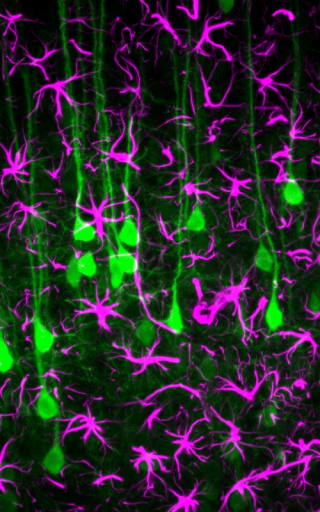
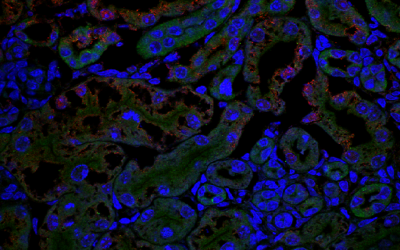
NOsynthasestuart200SjostromFig3200

The Department is organised into the following three major research groups:
Cellular and Molecular Neuroscience, Systems Neuroscience and Intercellular Signalling.

In Cellular and Molecular Neuroscience, UCL has an outstanding history of research on receptors, ion channels and synaptic transmission following seminal  contributions from Katz, Miledi, Fatt, Huxley, Young, Clark, Gaddum, Schild and Black, and many others. We have always placed major emphasis on the quantitative analysis of drug-receptor interactions and synaptic transmission. This has now evolved to the cellular and molecular analyses of membrane protein function (trafficking, signaling) and investigation of central synaptic transmission (receptor-associated molecules, neurotransmitter release, turnover of synaptic and extrasynaptic receptors). These form the cornerstones of our current research programmes.

In Systems Neuroscience, there are many facets to our research using in vivo systems-based approaches which rely on cross-cutting electrophysiological and molecular techniques. These have produced significant contributions to our understanding as to how neural networks impact on behaviour. Several of our groups are involved with pain research forming part of the Wellcome Trust Pain Consortium (a collaboration between UCL, KCL, Imperial and Oxford). At the single cell level, several groups use in vivo patch clamp recording and imaging to understand the link between single cell excitability, network activity and behaviour and learning.

Our spectrum of work on Intercellular Signalling encompasses a smaller group studying the cardiovascular, nervous and immune systems. To illustrate the diversity of this group, research focuses on transduction pathways that are involved with inflammatory reactions and allergy, as well as the mechanism by which vascular smooth muscle tone is regulated and how this controls blood flow

Cellular and Molecular Neuroscience

We have a number of  internationally-renowned research groups whose work focuses on synaptic transmission, concentrating on ligand-gated ion channels, transporters and signaling molecules (David Attwell, Marco Beato, Shamshad Cockcroft, Stuart Cull-Candy, David Colquhoun, Annette Dolphin, Frances Edwards, Mark Farrant, John Garthwaite, Alasdair Gibb, Paikan Marcaggi, Lucia Sivilotti, Angus Silver, Trevor Smart, Paola Vergani, Patricia Viard); the molecular biology of receptors (Josef Kittler, Neil Millar, Ralf Schoepfer); and on presynaptic mechanisms of neurotransmission (Yukiko Goda, Paikan Marcaggi, Talvinder Sihra).

Our research on GPCRs and voltage-gated ion channels is also underpinned by highly-competitive groups, including: David Brown, Annette Dolphin, Julie Pitcher, Guy Moss, Paola Pedarzani, Martin Stocker.

Systems Neuroscience

There are many facets to our research using in vivo systems-based approaches which rely on cross-cutting electrophysiological, genetic and molecular techniques. These have produced significant contributions to our understanding as to how neural networks impact on behaviour. There are many aspects to this section ranging from behaviour to single cell activity.

World-leading groups that specialise in pain research are:  Anthony Dickenson, Stephen Hunt, Maria Fitzgerald and John Wood. Tony Dickenson and John Wood are part of the Wellcome Trust London Pain consortium.

At the single cell level, the internationally-renowned groups of Michael Hausser, Thomas Mrsic-Floegeland Jesper Sjostrom, all apply in vivo patch clamp recording to investigate the impact and control of neuronal activity on specific behaviours.

In terms of behavioural studies, the lab of Clare Stanford focuses on anxiety and reward, as well as models of attention-deficit hyperactivity disorder.
The development of neuronal and glial structures, particularly in the retina, is a major feature of the work of Peter Mobbs laboratory (Dean, FLS).
Memory and the hippocampus is an important topic of research for John O'Keefe’s laboratory, which is renowned for the groundbreaking discovery of hippocampal ‘place cells’ that are vital for the memory of spatial positioning within a perceptual field.

Visual perception and motor control is the focus of Semir Zeki’s laboratory, which has made landmark discoveries regarding the principles of colour perception. Christopher Yeo’s laboratory has considerable expertise in motor memory.

An additional aspect of systems neuroscience concerns the central control of autonomic function and the sensing of oxygen levels in the blood. Several groups have contributed to our understanding in these important areas including: Michael Gilbey, Alexander Gourine, Andrew Ramage, and Michael Spyer

Intercellular signalling

Our spectrum of work on signal transduction pathways encompasses studies in the cardiovascular, nervous and immune systems. Transduction pathways in inflammatory reactions are addressed by Dean Willis, whilst Adrian Hobbs is addressing endothelium-derived vasorelaxant mediator in mesenteric and coronary resistance arteries which plays a pivotal role in the regulation of local blood flow.

Cellular mechanisms of hearing
Professor Jonathan Ashmore FRS

Neuron-glial interactions and brain energy supply
Professor David Attwell FRS

Glycine activated channels and glycinergic synapses
Dr Marco Beato

Pharmacological control of neuronal excitability
Professor David A. Brown FRS

Lipid-mediated signalling and exocytosis
Professor Shamshad Cockcroft

Ion channels and synaptic transmission
Professor David Colquhoun FRS

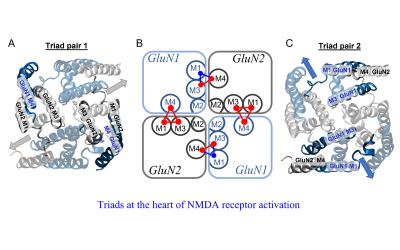
Glutamate receptor channels and fast synaptic transmission in the brain
Professor Stuart G. Cull-Candy FRS

Pain and analgesia
Professor Anthony H Dickenson

Functional studies of voltage-dependent Ca2+ channels and interactions with G-proteins
Professor Annette C. Dolphin

Synaptic transmission in the brain
Dr Frances Edwards

Ionotropic GABA and glutamate receptor signalling
Professor Mark Farrant

The development of pain processing in the nervous system
Professor Maria Fitzgerald FMedSci

Neural signalling and nitric oxide
Professor John Garthwaite

Ion channel receptors and synaptic transmission
Dr Alasdair J. Gibb

Neural Networks involved in Sympathetic Motor Control: Central and peripheral aspects
Professor Michael P Gilbey

Regulation of synapse form and function
Dr Yukiko Goda

Molecular Neurobiology of Affective Disorders, Addiction and Pain
Professor Stephen Hunt

Cell signalling by extracellular nucleotides and derivatives
Dr Brian King

Cell biological mechanisms underlying neuronal excitability and synaptic plasticity
Dr Josef Kittler

Modulation of neurotransmitter release: role of endocannabinoids and transporters
Dr Païkan Marcaggi

Neuronal Processing
Professor Troy Margrie

Molecular pharmacology of neuronal nicotinic acetylcholine receptors
Professor Neil Millar

Pharmacology of potassium channels
Dr Guy Moss

The synaptic targeting and regulation of inhibitory amino acid neurotransmitter receptors
Professor Stephen J. Moss

Regulation of G Protein-Coupled Receptor Function by the G Protein-Coupled Receptor Kinase Family
Dr Julie A. Pitcher

Central neuropharmacology of autonomic regulation
Dr Andrew Ramage

Structure and function of glutamate receptors
Professor Ralf Schoepfer

Regulation of neurotransmitter release
Dr Talvinder S. Sihra

Synaptic mechanisms and signal processing
Dr Robin Angus Silver

Ion channels in the nicotinic superfamily: nicotinic receptors and glycine receptors
Professor Lucia Sivilotti

Inhibitory neurotransmitter receptors: The GABA receptor family, Molecular properties and Regulation
Professor Trevor G. Smart FRPharmS, Head of Department

Neuronal Processing
Dr Per Jesper Sjöström

Function and pharmacology of monoamine neurotransmitters
Dr S. Clare Stanford

Molecular neurobiology of potassium channels
Dr Martin Stocker

Molecular mechanisms of the Cystic Fibrosis transmembrane conductance regulator (CFTR)
Dr Paola Vergani

Regulation of voltage-dependent calcium channels by phosphoinositide 3-kinases
Dr Patricia Viard

Immunopharmacology of inflammation
Dr Dean Willis

Molecular Nociception Group
Professor John Wood

Cerebellum as a neuronal machine
Professor Christopher H. Yeo

CLC proteins and their chloride/proton exchange function
Dr Anselm Zdebik