A A A
  • Introduction
  • Aims
  • Measures
  • Methods
  • Outcomes
  • Further Information
  • Contacts
  • Partners
  • Artist's Residency

Heritage in Hospitals

Bastet figurine

Introduction to the project

In 2008, researchers and curators from University College London (UCL) and University College London Hospitals (UCLH) Arts developed a unique programme called 'Heritage in Hospitals: Exploring the potential of museum object handling as an enrichment activity for patients' funded by the Arts & Humanities Research Council (AHRC award number AHG000506/1).

Aims

As with Arts-in-health activities, the aims of this Heritage-in-health activity were to improve the wellbeing of patients and their experience of staying in hospital, boost morale among staff and carers, and widen access to the Arts, culture and heritage. Significant evidence from Arts-in-health interventions has shown positive therapeutic and medical outcomes for patients including reduction in stress, anxiety and depression; lowered blood pressure, pain intensity and the need for medication; improvements in health, particularly mental health; and decrease in the length of inpatient stay.

The objective of this innovative project was to take museum objects to the bedsides of hospital patients and older people in care homes with a view to understanding the impact of handling and discussing museum objects on participants' wellbeing and happiness. The research was conducted in a variety of healthcare contexts comprising chronic and acute wards (including oncology, gynaecological oncology, acute and elderly care, and surgical admissions), partner hospitals for psychiatric care and neurological rehabilitation, and a residential care home for older adults.

Over 250 participants gave their informed consent to take part and agreed to digital audio recording of the object handling sessions (medical research ethics committee approval MREC no. 06/Q0505/78). The majority of sessions were carried out on a one-to-one basis with a facilitator though some group sessions were also undertaken, particularly for the psychiatric care wards.

Measures

In order to determine the most appropriate measures to use within the healthcare contexts, a review was carried out of existing scales commonly used to measure wellbeing, quality of life and health status in clinical settings. The review looked at how practical measures would be to administer and whether they would be sufficiently sensitive to register any changes in wellbeing that might occur over the 30-40 minutes duration of a handling session. Two measures were chosen comprising the Positive Affect Negative Affect Scale (PANAS) and the Visual Analogue Scale (VAS). Measures were taken immediately before and immediately after each object handling session and participants were asked to report exactly how they felt at that moment in time.

The PANAS is a measure of psychological wellbeing that uses a list of 10 positive mood adjectives (e.g. active and alert) and 10 negative mood adjectives (e.g. distressed and irritable) to which participants respond by rating each word on a scale of 1-5 (1= not at all, 2 = a little, 3 = moderately, 4 = quite a bit, 5 = extremely). The VAS is a vertical scale running from zero to 100 on which participants mark the extent to which they feel a particular emotion. The research used two VAS scales, one for 'wellness' (from unwell to well) and one for 'happiness' (from unhappy to happy). The wellness VAS was intended to measure subjective wellbeing to complement the PANAS and the happiness VAS was seen as an important indicator for the absence of anxiety or depression.

Methods

Sessions followed a standardised protocol where after reading the patient information leaflet and signing the consent form, the participant and the facilitator washed their hands with soap and water or alcohol gel. The participant was given a set of measures marked 'before the session' to complete and then invited to handle and discuss each object in turn. The facilitator asked open-ended questions about these objects to explore their sensory and emotional aspects (e.g. What does it feel like? How does it make you feel?). The facilitator used additional prompts to elicit conversation (e.g. What does it remind you of? Have you seen anything like this before?). Key facts sheets were produced to address any specific questions from the participant (e.g. age of object). After all of the objects had been handled and discussed, the participant completed another set of measures marked 'after the session', the participant and facilitator both washed their hands again and the facilitator asked the participant whether there were any further questions or comments.

Array of objects

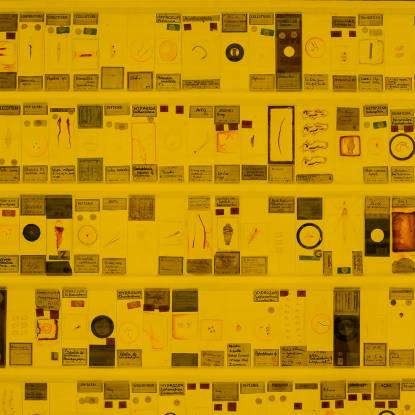
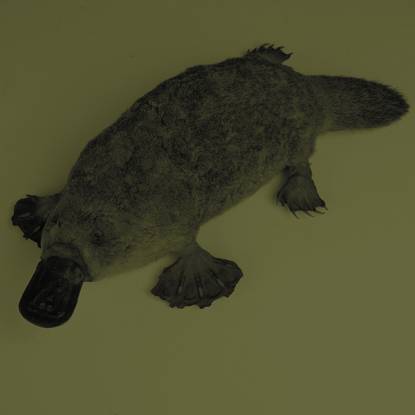
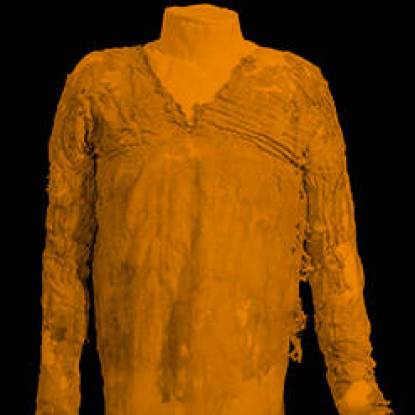
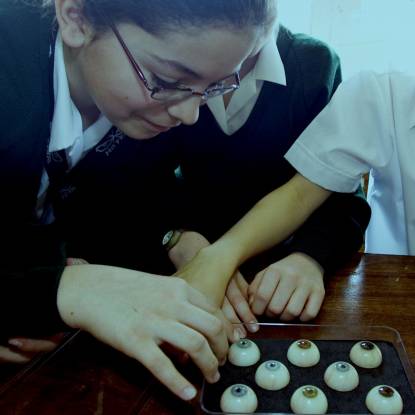
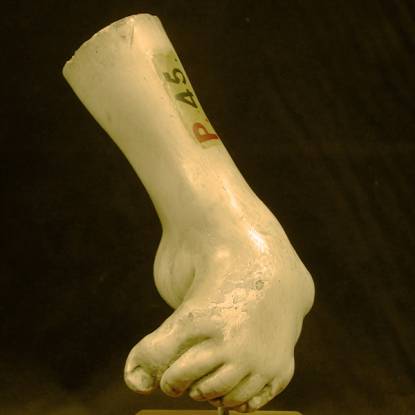
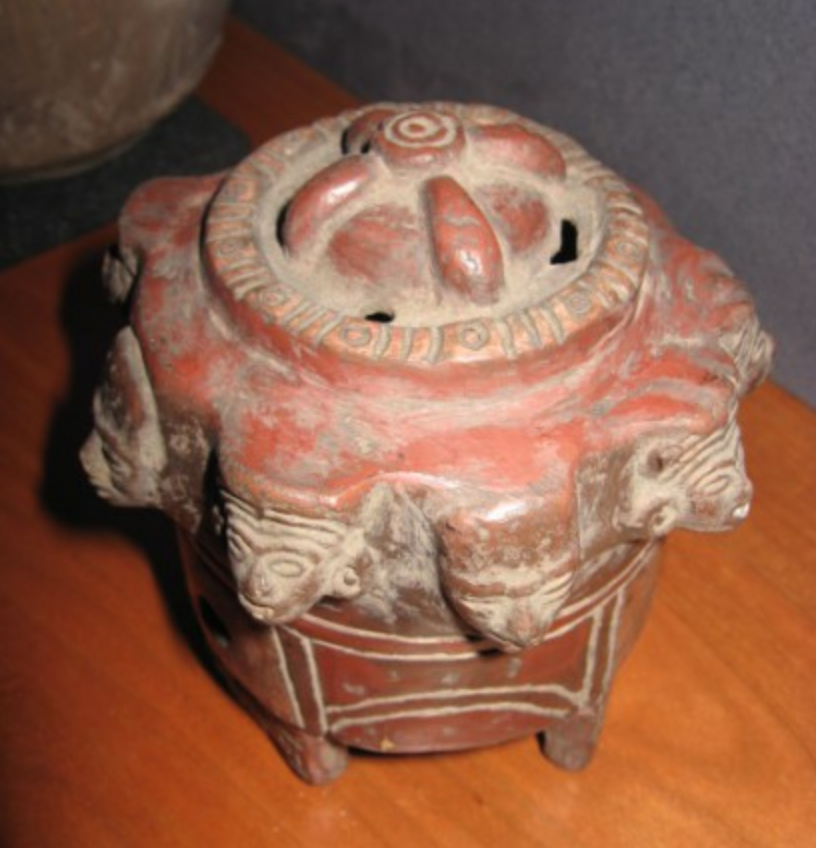
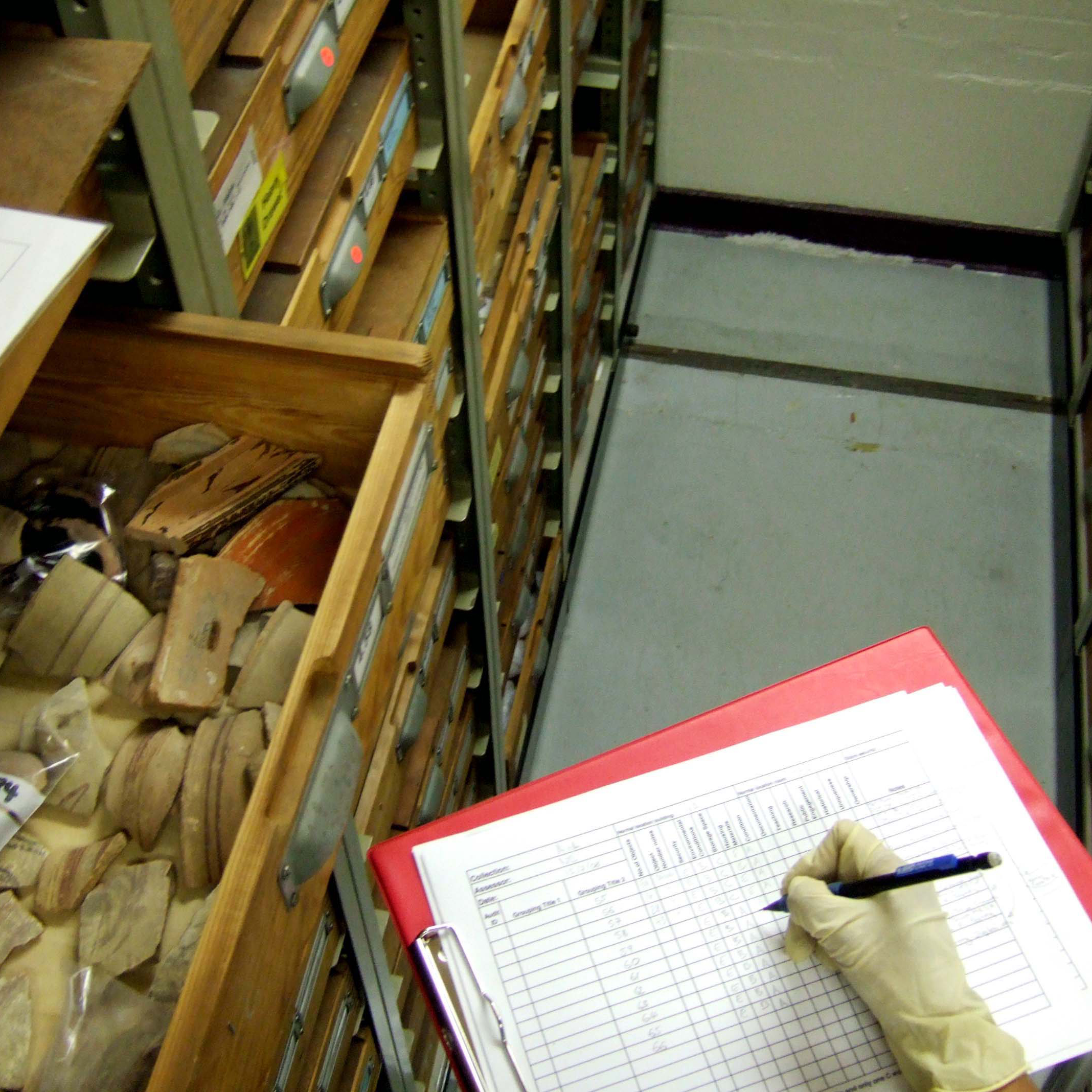
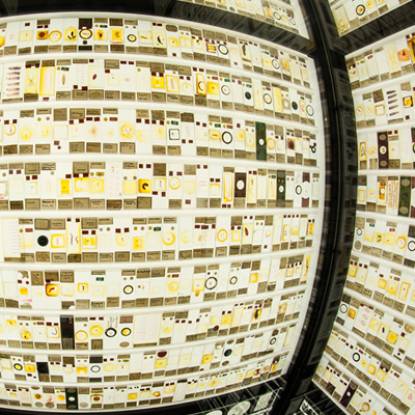
The museum objects used for the sessions were sourced from UCL Museums & Collections and consisted of archaeological artefacts, artworks, geology samples and natural history specimens chosen to provide a range of shapes, sizes, textures and weights. Six boxes were compiled each containing six objects displayed in conservation materials.

Outcomes

When measures taken from before and after the sessions were compared statistically, all groups of patients and care home residents showed significant  increases in positive emotion, decreases in negative emotion, and enhanced wellness and happiness. Participants were distracted from their clinical surroundings and felt happier and healthier as a result of the handling sessions.

To assess whether the increases in measures of wellbeing arose specifically as a result of object handling ('tactile' group) or whether they were simply the result of a conversation about museum objects, a control group was used where a subset of participants looked at and discussed photographs of the same objects as those used for the handling sessions ('visual' group). Comparison of the tactile and visual groups indicated that objects had a significantly greater effect on improvements in wellbeing and happiness than the photographs.

Content and thematic analysis of transcripts from the recorded discourse revealed seven interlinked features common to participant-facilitator interactions; four specific to the participant responses (deeper thinking and meaning-making; influence of social, physical and environmental contexts; positive interactions; self esteem) and three associated with the facilitator role (building trust and developing rapport; communicating knowledge and information; encouraging engagement). The most important of these features appeared to be deeper thinking and meaning-making where participants made links to other experiences in their life such as recall of past events.

Further information

This research is supported by the Arts and Humanities Research Council (Award No: AH/G000506/1; Heritage in Hospitals) and was conducted with the support and advice of involved hospital staff, notably Guy Noble, Arts Curator. We are grateful to all of the patients who participated in this research programme. A portion of this work was carried out within the ‘women's health theme’ of the NIHR UCLH/UCL Comprehensive Biomedical Research Centre supported by the Department of Health.

Correspondence and requests for materials should be addressed to Dr Helen Chatterjee.

Contacts

Dr Helen Chatterjee
Principal Investigator
Deputy Director and Lecturer in Biology
UCL Museums & Collections
and Research Department of Genetics, Evolution and Environment
Darwin Building
University College London
Gower Street
London WC1E 6BT

h.chatterjee@ucl.ac.uk

020 7679 4104 (internal ext. 54104)

Guy Noble
Arts Curator
University College London Hospital Arts
NHS Foundation Trust
IM&T Dept.
3rd Floor Maple House
149 Tottenham Court Road
London W1T 7BN

guy.noble@uclh.nhs.uk

Dr Linda Thomson
Research Associate
University College London
Room 112 Darwin Building
Gower Street
London W1E 6BT

linda.thomson@ucl.ac.uk

020 679 2649 (internal ext. 32649)

Partners

The research is led by Dr Helen Chatterjee from UCL Museums & Collections, in collaboration with Drs Anne Lanceley and Usha Menon from UCL Department of Gynecological Oncology and Guy Noble from UCL Hospitals NHS Foundation Trust.

The research is run in partnership with The British Museum, Oxford University Museums Service, Reading Museums Service and the Museum, Libraries and Archives Council.