 admin
admin


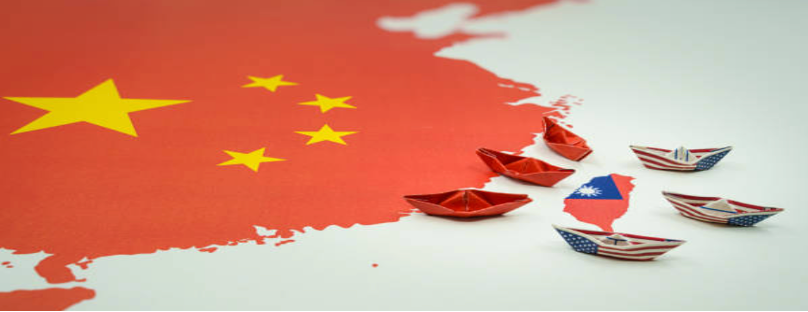
Tibetans within India’s Refugee Framework
In 1959, following China’s invasion of Tibet, the Dalai Lama and his followers sought refuge in India, where they were welcomed by then-Prime Minister Jawaharlal Nehru. Over the years, many…
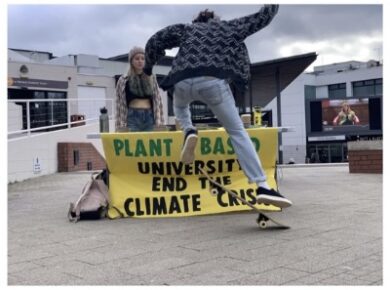
University of Warwick Plant-Based Motion Narrowly Fails, Despite Constant Sabotage By University Committee
Disclaimer: This post reflects solely the opinion of the authors and should not be taken to represent the general views of IPPR’s management/ editorial team or those of fellow authors…
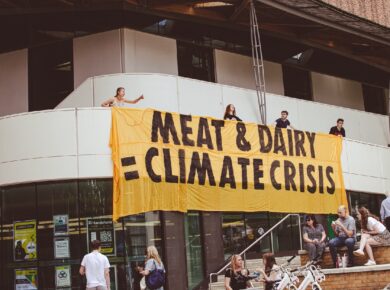
Plant-Based Universities Campaigners Drop Banners at University of Exeter Highlighting Climate Crisis
Disclaimer: This post reflects solely the opinion of the authors and should not be taken to represent the general views of IPPR’s management/ editorial team or those of fellow authors…

The Quebec Debate: Group vs. Individual Rights
Disclaimer: This post reflects solely the opinion of the authors and should not be taken to represent the general views of IPPR’s management/ editorial team or those of fellow authors…
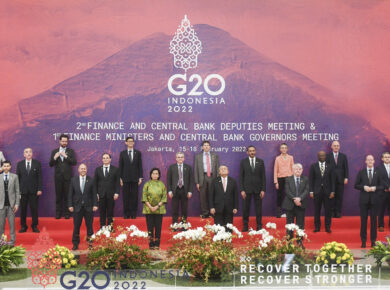
The 2022 G20 Summit: What to Expect
Menteri Keuangan Sri Mulyani Indrawati (ketiga kiri depan), Gubernur Bank Indonesia Perry Warjiyo (ketiga kanan depan), Menteri Keuangan Australia Josh Frydenberg (kedua kiri depan), Menteri Keuangan Uni Emirat Arab Mohamed…

Addressing Structural Racism in the Global Support to Refugee Populations
Disclaimer: This post reflects solely the opinion of the authors and should not be taken to represent the general views of IPPR’s management/ editorial team or those of fellow authors…

The Dark Consequences of Overturning Roe vs. Wade
Disclaimer: This post reflects solely the opinion of the authors and should not be taken to represent the general views of IPPR’s management/ editorial team or those of fellow authors…

Trojan Horse Democracy: How Authoritarians Are Using Democratic Tactics For Their Own Ends
Disclaimer: This post reflects solely the opinion of the authors and should not be taken to represent the general views of IPPR’s management/ editorial team or those of fellow authors…

Sexism: Alive and Well?
Disclaimer: This post reflects solely the opinion of the authors and should not be taken to represent the general views of IPPR’s management/ editorial team or those of fellow authors…

Abortion Rights Are Backsliding in the US and Europe
Disclaimer: This post reflects solely the opinion of the authors and should not be taken to represent the general views of IPPR’s management/ editorial team or those of fellow authors…