
INSTITUTE OF OPHTHALMOLOGY


Glaucoma and Retinal Neurodegenerative Disease Research Group


The processes of neurodegeneration are implicated in several degenerative diseases of the retina. These include glaucoma, age-related macular degeneration and some inherited retinal disorders.

Professor M Francesca Cordeiro group's work is focused on mechanisms of neurodegeneration and vision loss, particularly related to the early diagnosis and management of age-related neurodegenerative processes.

Her group relies on strong and active collaborations with the Divisions of Cell Biology (Steve Moss), Visual Science (Tom Salt, Fred Fitzke & Adam Sillito),  Cell Therapy (Peter Coffey & John Greenwood) and Glaucoma Research at the Western Eye Hospital (Clive Migdal & Phillip Bloomi), allowing a multidisciplinary approach to solving clinical problems


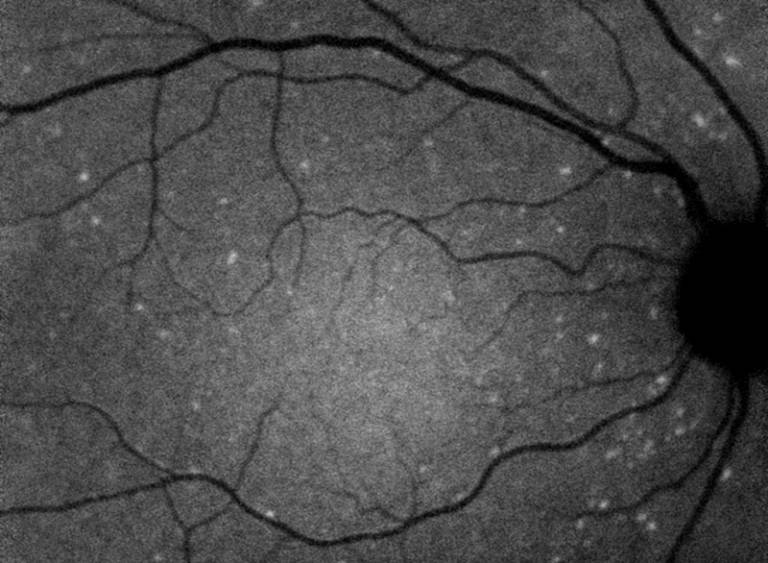
The pictures above show different aspects of cell death. Click to see video.


Current Work


Aims

1. Glaucoma

Glaucoma is now a major cause of irreversible blindness worldwide, with a significant socio-economic burden that is predicted to get worse as the population ages. Visual loss is attributed to degeneration of the retinal ganglion cell (RGC), which is the retinal neuron involved in the transfer of visual information from the eye to the brain. Unfortunately conventional clinical tests cannot detect abnormalities until extensive RGC death and significant vision loss have already occurred. However, it is known that one of the earliest hallmarks of this disease is the process of neuronal “apoptosis” or so-called “programmed” cell death of the RGC.

We have recently devised a novel technique to image and track this process of retinal neurons (RGC) apoptosis in vivo. DARC (Detection of Apoptosing Retinal Cells) is a method by which we can now observe individual nerve cells dying in the living eye. The strength of this technique is that it may be used as a tool to open a new “window2 on to the cellular mechanisms involved in the development of RGC apoptosis and vision loss in glaucoma.

Our unique imaging techniques open a new “window” on the cellular mechanisms involved in the development of RGC apoptosis and vision loss in glaucoma. Their analysis will enable delineation of signalling pathways that couple glaucomatous disease to neurodegeneration, and should provide an unparalleled platform from which to effectively assess potential neuroprotective strategies. This project has implications not only in glaucoma and the prevention of blindness, but any condition associated with neuronal apoptosis, where our findings can help enhance the clinical diagnosis and refine therapeutic intervention.

We have been able for the first time to image changes occurring in retinal nerve cells apoptosing over hours, days and months. This advance will potentially provide a powerful new clinical tool with which to diagnose and identify patients with early glaucoma before they lose vision, and opens the door to directly observing effects of therapeutic strategies in glaucoma using meaningful endpoints that are based on the direct assessment of RGC death. It may also serve as a surrogate biomarker of outcome in glaucoma clinical studies, dramatically reducing the duration of such trials that currently rely on the use of visual field status as a key endpoint. Dr Cordeiro believes it may be possible to have an apoptotic index of cell degeneration with which individuals can be diagnosed and also monitored to assess treatment response or progression rates. This may help negate or avoid glaucomatous visual loss ever occurring in the first place.


Please click here to find a fact sheet about planned clinical trials.

2.  Mechanisms of neuronal cell loss and its prevention

Nerve cell loss is implicated in chronic and devastating neurodegenerative disorders such as Alzheimer's Disease. Although loss of nerve cells in Alzheimer's disease is classically said to occur in specific regions of the brain, as the disease progresses cells all over the central nervous system are affected. Of great interest to eye physicians is the strong association of the loss of nerve cells in the eye with this disease. Moreover, there is increasing evidence that similar mechanisms in the eye and the brain cause the development of this nerve cell loss. This suggests that the processes of cell death occurring in the eye may be an indicator of, or window on, cell death occurring in other parts of the brain.

We have already shown that it is possible to assess therapeutic and sight-saving strategies using our methods and this has great implications in the testing and validation of neuroprotective regimens in all aspects of neurodegeneration including Alzheimers Disease.


1.        Retinal Neurodegeneration

Neurodegenerative diseases are characterized by chronic nerve cell loss. Alzheimer’s disease is the commonest single cause of dementia. It is an age-dependent disease just like glaucoma, but unlike glaucoma is rare (<1%) in the under-65s.  One of the mechanisms that is believed to lead to neurodegeneration in Alzheimer’s Disease is the production of a protein called amyloid-beta (). This protein, which causes the so-called “ Alzheimer brains)  is only produced when a nerve cell is “stressed”. Our recent work has identified the   protein in the retinal nerve cells in glaucoma models, and shown it was associated the process of the  nerve cells undergoing apoptosis (so-called programmed cell death).  Using  DARC, we showed that when this  protein was given by itself to “normal” eyes it caused visible nerve cell apoptosis which we were able to monitor in vivo and in real time.

So, having identified as causing nerve cell death in the retina, we then looked at possible approaches to targeting it as a therapy. Three different drugs all working on the build up of the   protein were used. Each of these drugs acted on different parts of the    protein production pathway. One of these drugs is an antibody, like Bapineuzumab, which is already being used in Phase III clinical trials to treat Alzheimer's patients. These treatments targeting the   protein significantly decreased the number of ding retinal nerve cells in glaucomatous eyes. Moreover, when combined with the two other novel Alzheimer's treatments, the effects on glaucoma were even stronger.

The implications for this are wide. Firstly, targeting the   protein opens a brand new avenue of treatment in glaucoma – therapy that is no IOP lowering and therefore of benefit to patients who continue to lose vision despite adequate IOP control. Secondly, the idea of combining therapies working on the same pathway makes biological sense – but has not been done before in either glaucoma or  Alzheimer’s. Finally, the eye may provide a new “window” on brain disease – one that enables not only diagnosis, non-invasively, but also the monitoring of new neurological treatments.


1.        Establish new methods of diagnosis of early disease to avoid blindness


2.        Identify early markers of cell processes in neurodegenerative disease


3.        Investigate therapeutic approaches to their treatment.

These are to be achieved using novel non-invasive techniques to assess structural and functional changes in different models of disease and their treatment, with a view to offering quick and effective translation to the clinical arena.


Link to press releases:


http://www.ucl.ac.uk/ioo/news070806.php


www.bbc.co.uk/radio4/science/leadingedge_20051027.shtml


People


Awards

Professor M Francesca Cordeiro - Head of Group

UCL Professor of Retinal Neurodegeneration & Glaucoma Studies

& Honorary Consultant Western Eye Hospital, London.

Dr Li Guo - Senior Research Fellow

Dr Katy Coxon – Research Fellow

Dr James Duggan – Research Fellow

Miss Anne Georgiou - MRC PhD Student shared with Professor Tom Salt

Miss Meng Lui - MRC DPHA PhD Student

Mr William Cheung - Research Assistant/Technician

Ms Shereen Nizari - Research Assistant/Technician

Dr Eduardo Normando - Clinical Research Fellow


Alumni


Ms Cinzia Mazzei – Former Research Fellow

Mr Nicholas Wood – Former Research Assistant/Technician

Ms Sarah Borrie – Former Research Assistant/Technician

Dr Annelie Maass – Former PhD Student

Dr Guilio Ferrari - Clinical Research Fellow

Dr Steffen Schmitz Valckenberg - Clinical Research Fellow


Collaborators

Professor Fred Fitzke & his group UCL Institute of Ophthalmology

Professor Steve Moss & his group UCL Institute of Ophthalmology

Professor Tom Salt & his group UCL Institute of Ophthalmology

Professor Adam Sillito & his group UCL Institute of Ophthalmology

Professors Peter Coffey & John Greenwood UCL Institute of Ophthalmology

Dr Steve Dakin UCL Institute of Ophthalmology


Mr Clive Migdal & Mr Philip Bloom, Western Eye Hospital, London
Professor Thomas Mittag & John Danias, Mount Sinai, New York
Ass. Professor Neeraj Agarwal, UNT Health Science Center, Fort Worth, Texas.


·         2005 Lewis Rudin Award
from New York Academy of Medicine for best international glaucoma publication 2004-5.
UCL news coverage

·         2001 Wellcome Trust University Lecturer Award

·         2000 International Glaucoma Review Prize for best research paper in glaucoma published worldwide 1999-2000

·         1999 Prix Galien
the International Pharmaceutical Research & Development Excellence Award

·         1999 Moorfield’s Eye Hospital Research Gold Medal

·         1998 Ian Frazer Prize
for best presentation/poster at Oxford Ophthalmological Congress


Some Recent Publications


Funding

Cheung W, Guo L, Cordeiro MF.  Neuroprotection in glaucoma: drug-based approaches. Optometry and Vision Science, 2008; 85:406-16.


Schmitz-Valckenberg S, Guo L, Maass L, Cheung W, Vulger A, Moss SE, Munro PMG, Fitzke FW, Cordeiro MF.  Real-time in-vivo imaging of retinal cell apoptosis after laser exposure. Investigative Ophthalmology and Visual Science. 2008; 49:2773-80.


Cordeiro MF, Erskine L.  Back to basics: Ephrins and glaucoma (editorial).  British Journal Opthalmology. 2007; 91:1106.


Guo L, Salt TE, Luong V, Wood NE, Cheung W, Maass A, Ferrari G, Russo-Marie F, Sillito AM, Cheetham ME, Moss SE, Fitzke FW, Cordeiro MF. Targeting Amyloid-ß in glaucoma treatment. Proceedings of the National Academy of Science 2007; 104:13444-13449.


Guo L, Salt TE, Maass A, Luong V, Moss SE, Fitzke F W & Cordeiro M F. Assessment of neuroprotective effects of glutamate modulation on glaucoma-related retinal ganglion cell apoptosis in vivo. Investigative Ophthalmology and Visual Science. 2006; 47: 626-633.


Guo L, Moss SE, Alexander RA, Ali RR, Fitzke FW & Cordeiro MF. Retinal ganglion cell apoptosis in glaucoma is related to intraocular pressure (IOP) and IOP-induced effects on extracellular matrix. Investigative Ophthalmology and Visual Science, 2005; 46:175-182.


Salt T E & Cordeiro MF.  Glutamate excitotoxicity in glaucoma: throwing the baby out with the bathwater? Eye, 2005; Jun 10.


Guo L, V Tsatourian, Luong V, Podoleanu A Gh, Jackson D A, Fitzke F W & Cordeiro MF.  En-face Optical Coherence Tomography (OCT): A new method to analyze structural changes of the optic nerve head in rat glaucoma. British Journal of Ophthalmology, 2005; 89: 1210-6.


Cordeiro MF, Guo L, Luong V, Harding G, Wang W, Jones HE, Moss SE, Sillito AM & Fitzke FW.  Real time imaging of single nerve cell apoptosis in retinal neurodegeneration. Proceedings of the National Academy of Science, 2004; 101: 13352-13356.


Cordeiro MF. Technology evaluation: Lerdelimumab, Cambridge Antibody Technology. Current Opinion in Molecular Therapeutics, 2003; 5: 199-203.


Cordeiro MF, Mead A, Ali RR, Alexander RA, Murray S, Chen C, York-DeFalco C, Dean NM, Schultz GS and Khaw PT. Novel antisense oligonucleotides targeting TGF-ß inhibit in vivo scarring & improve surgical outcome. Gene Therapy, 2003; 10: 59-71.


Cordeiro MF.  Beyond Mitomycin: TGF-ß and wound healing. Progress in Retinal and Eye Research, 2002; 21: 75-89.


Prof. Cordeiro has been funded by the Wellcome Trust since 1996


·         Wellcome Trust Vision Training Fellowship 1996–2000

·         Wellcome Trust University Award 2001-2007

·         Wellcome Trust Project Grant 2005–2008

·         Wellcome Trust Translational Award 2009


In addition her group have also received funding from:

Guide Dogs for the Blind Association

T.F.C. Frost Charity

MRC PhD Studentships

Allergan (unrestricted educational grant)


Institute of Ophthalmology, 11-43 Bath St, London EC1V 9EL. T:+44 (0)20 7608 6800. Copyright © 1999-2005 UCL