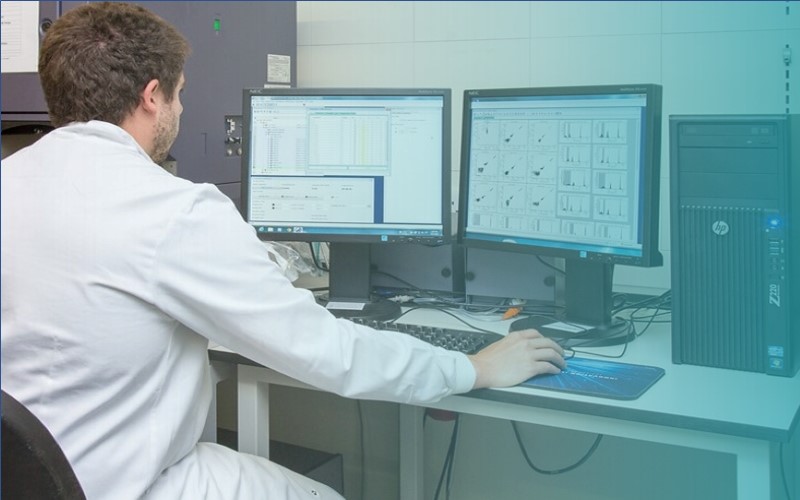
Health data is increasing in size and complexity and the UK has some of the richest health data in the world. At the UCL Institute of Health Informatics, we specialise in utilising this data to develop a better understanding of diseases on a national and international scale. The Institute is home to a unique range of expertise and talent resulting in highly impactful, world-changing research using large scale data and advanced analytics.
IHI has five groups which reflect its research and educational aims. These are Artificial Intelligence, Genomics, Phenomics, Translational Data, and Public Health Data Science.
Learn about our interdisciplinary programmes of research, using electronic health records across areas including Discovery Science, Precision Medicine, and Public Health.
We offer a range of flexible taught and research postgraduate study programmes at the forefront of our specialities. Our courses expertly combine theory with practice.
For educational, research and collaborative opportunities in specific health data fields, find and contact our Institute expert academics and researchers.
Here you will be able to find information on issues relating to race, gender, religion and belief, sexual orientation, and disability, amongst other equalities initiatives at UCL.
Stay up to date with everything going on at IHI, including newly published papers, media articles, research awards, open days, seminars, and other student and staff events.
 Close
Close