|
CDB Seminars Thursday 23 May at 1pm __________________________ Thursday 30 May at 1pm
|
Supervisors
4-year
PhD
Developmental
and Stem Cell Biology
Project Supervisors
A large list of supervisors and projects throughout UCL, its related teaching hospitals and specialist centres and the National Institute for Medical Research is available to students.
A short abstract for each project, together with supervisor details, is given below. There are also links where available to supervisor web sites.
| Prof Robin Ali | Institute of Ophthalmology | Stem cell therapy for retinal degeneration |
| Dr Siew-Lan Ang | NIMR | Using mouse embryonic stem cell differentiation to identify targets of Neurogenin2 gene in midbrain dopaminergic progenitors |
| Dr Buzz Baum | MRC LMCB |
Robust patterning and
morphogenesis in a living epithelium |
| Prof David Becker | Dept Cell & Developmental Biology | Wound healing |
| Dr Katherine Bowers | Dept Structural and Molecular Biology | Mechanisms of protein sorting |
| Prof Jeremy Brockes | Dept Structural and Molecular Biology | Regeneration |
| Prof Pete Coffey | Institute of Ophthalmology | The use of human embryonic stem cells for eye disease |
| Prof Andrew Copp | Institute of Child Health | Development and stem cell involvement in mammalian neural tube formation |
|
Prof Giulio Cossu |
Dept Cell & Developmental Biology |
Development of skeletal muscle and cell therapy for muscular dystrophy |
| Dr Nicolas Daudet | Ear Institute | Mechanisms of hair cell development and regeneration in the inner ear |
| Dr Patrizia Ferretti | Institute of Child Health | Cellular and molecular basis of neural regeneration |
| Dr Alex Gould | NIMR | Nutritional regulation of neural stem cells |
| Prof Linda Greensmith | Institute of Neurology | The role of heat shock proteins in axonal growth and maintenance |
| Dr François Guillemot | NIMR | Transcriptional and signalling control of neural stem cell fates |
| Prof Glen Jeffery | Institute of Ophthalmology | Interactions between the neural retina and the retinal pigment epithelium |
| Profs Kristjan R Jessen and Rhona Mirsky | Dept Cell & Developmental Biology | The role of Numb in maintaining the Schwann cell precursor phenotype |
| Dr Nicoletta Kessaris | Wolfson Institute for Biomedical Research | Interneuron development in the forebrain |
| Prof Martin Koltzenburg |
Institute of Neurology |
Development of peripheral pain signalling neurons |
| Prof Alison Lloyd | MRC LMCB | Cell growth and regeneration |
| Dr Malcolm Logan | NIMR | Identification and characterisation of vertebrate limb progenitor cells |
| Prof Robin Lovell-Badge | NIMR | Characterization of a SOX2 positive pituitary stem cell/progenitor population |
| Dr Juan Pedro Martinez-Barbera | Institute of Child Health | Forebrain and pituitary development in mammals |
| Prof Roberto Mayor | Dept Cell & Developmental Biology | Migration and differentiation of the neural crest stem cells |
| Dr Paola Oliveri | Genetics, Evolution and Environment | Genetic program for the specification of neuroectoderm |
| Prof John Parnavelas | Dept Cell & Developmental Biology | Sorting neurons in the developing mammalian forebrain |
| Dr Franck Pichaud | MRC LMCB |
Polarity & Morphogenesis |
| Dr Stephen Price | Dept Cell & Developmental Biology | Motor nucleus formation in the spinal cord and hindbrain |
| Prof Gennadij Raivich | Perinatal Brain Repair Group | Periventricular macrophages in fountains of microglia and their role in developmental cerebral white matter injury |
| Dr Antonella Riccio | MRC LMCB | Transcriptional and epigenetic mechanisms in developing neurons |
| Prof Bill Richardson | Wolfson Institute for Biomedical Research | Generation of new neurons in the adult mouse brain |
| Prof Christiana Ruhrberg | Institute of Ophthalmology | VEGF-A signalling in boundary cap stem cells at the PNS/CNS interface |
| Prof Patricia Salinas | Dept Cell & Developmental Biology | Wnt signalling in neuronal circuit assembly and stem cell renewal |
| Prof Jane Sowden | Institute of Child Health | Developing new photoreceptors for retinal repair |
| Dr Philip Stanier | Institute of Child Health | The role of Tbx22 in palatine bone induction |
| Prof Claudio Stern | Dept Cell & Developmental Biology | Early embryo development and embryonic stem cells |
| Dr Masa Tada | Dept Cell & Developmental Biology | Analysis of cellular and molecular mechanisms underlying zebrafish gastrulation |
| Dr Jean-Paul Vincent | NIMR | Uncovering the pathway that recognises misbehaving cells during development |
| Prof David Whitmore | Dept Cell & Developmental Biology | The impact of the biological clock and light on early embryonic development |
| Prof David Wilkinson | NIMR | Regulation of neurogenesis in the zebrafish hindbrain |
| Prof Stephen Wilson | Dept Cell & Developmental Biology | Asymmetries in neurogenesis between left and right sides of the brain |
| Dr Yoshiyuki Yamamoto | Dept Cell & Developmental Biology | Mechanisms of lens regeneration in teleost fish |
Prof Robin Ali
Hereditary retinal disease and age related macular degeneration (AMD) are major causes of visual impairment with loss of photoreceptor cells leading to blindness. We have recently discovered that transplantation of rod precursor cells at a specific stage of development results in their integration and subsequent differentiation into rod photoreceptors that form synaptic connections and improve visual function in mouse models of retinal degeneration (MacLaren et al, Nature 2006). Stem cells, with properties of self-renewal and the potential to produce large numbers of neurons in vitro, offer an ideal donor source of cells to generate photoreceptor precursors for transplantation. Stem cells isolated from the adult ciliary margin (CM) of the eye, as well as embryonic stem cells are possible sources of large numbers of rod precursor cells. The aim of this project is to determine the local cues and transcription factors that might promote optimal integration and differentiation of transplanted stem cells. We have recently developed an integrase-deficient lentiviral vector (Yanez-Munoz et al , Nature Medicine, 2006) that will be used for transient delivery of genes encoding key transcription factors or growth factors. These vectors will be used to transduce retinal stem cells within the retina or transduce stem cells before transplantation into the adult mouse in order to generate functional photoreceptors and repair degenerating retinae.
Dr Siew-Lan Ang

The hallmark of Parkinson Disease is the selective degeneration of midbrain dopaminergic (mDA) neurons of the substantia pars compacta subgroup. Intense efforts are now focused on understanding the molecular mechanisms regulating differentiation of these neurons from stem cells that could be used as a source of mDA neurons for stem cell therapy of Parkinson Disease patients. Neurogenin2 is a proneural basic-helix-loop-helix transcription factor that promotes neuronal differentiation in neural stem/progenitor cells. We have previously shown that Neurogenin2 (Ngn2) is required for the differentiation of mDA neurons (Kele et al., Dev. 2006, 133, 495) using loss of function studies in mice. To determine molecular and cellular functions of Ngn2, we have identified several candidate target genes using microarray prolifing experiments of wild-type and Ngn2-/- ventral midbrain tissue. The function of these targets will be assayed for their ability to regulate the differentiation of mDA neurons from mouse embryonic stem (ES) cells. In addition, mDA progenitors generated from differentiation of ES cells will be used to perform chromatin immunoprecipitation experiments to identify direct transcriptional targets of Ngn2. Results obtained from this project will further our understanding of molecular determinants that regulate the differentiation of mDA neurons from stem cells.
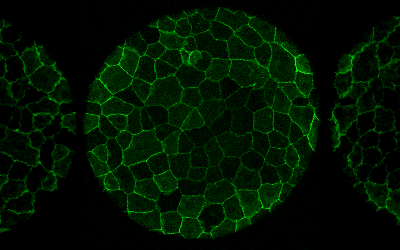
Dr Buzz Baum

During the course of this project, the
student will
use a combination of Drosophila genetics, RNAi and live
cell imaging
to study the development of a robust bristle pattern in
the Drosophila
notum. Genetic tricks and laser-induced cell ablation will
then
be used to determine how the epithelium is able to respond
to perturbations
in patterning and morphogenesis.
Finally the genes involved in normal developmental
patterning and
the response to wounding will be identified in an RNAi
screen, using
a library of flies carrying hair-pin RNAs.
Prof David Becker

Tissue repair requires the coordinated
activity
of a variety of different cell types. We have recently
shown that
appropriate gap junctional communication is pivotal to the
normal
wound healing process and that by manipulating this form
of communication
at the start of the healing process we can make wounds
heal twice
as fast, with reduced inflammation and scar formation. We
now wish
to determine the contribution of communication during
specific stages
of the healing process, such as cell proliferation,
polarization,
migration, differentiation and matrix deposition. We
envisage manipulating
communication at transcriptional and translational levels
in a variety
of ways to test its contribution to key events in the
wound healing
cascade. This approach has the potential to identify new
therapeutic
targets for situations in which wound healing goes wrong,
such as
chronic wounds that fail to heal (especially in diabetic
patients)
or keloid scars that keep on growing.
In the developing retina, we have found
that proliferating
neuronal stem cells are coupled together by gap junctions
but are
not coupled to their differentiated neuronal neighbours.
These cells
extend long cytoplasmic processes that traverse the
retinal neuroepithelium.
During the cell cycle, the nucleus migrates through these
processes
in a saltatory and cycle-phase-dependent manner, moving
towards
the basal surface in G1 before replicating its DNA, and
then moving
apically in G2 towards the ventricular surface, where it
undergoes
mitosis. We found that each nuclear ‘jump’ is associated
with a calcium wave and that these waves are shared by
coupled progenitors
so that their nuclei move in clusters. Perturbing
communication
or calcium signalling slows the migration and the cell
cycle and
results in the ectopic differentiation of neurons. We now
want to
ask whether we can keep these cells as cycling progenitors
or force
them to differentiate prematurely as neurons by
manipulating communication,
and what mechanisms co-regulate the choice between these
fates,
the speed of nuclear migration, and progress through the
cell cycle.
Ectopic differentiation also raises accessible questions
about the
control of cell polarization in developing neuroepithelia.
Dr Katherine Bowers
In my laboratory, we study mechanisms of protein sorting. Our work has three main themes and our current projects all involve at least two of these themes:
- Ion gradients across intracellular organelles and their role in protein trafficking
- The role of phosphoinositides in protein trafficking
- Protein sorting at the multivesicular body (MVB)
We use two model systems: the yeast Saccharomyces cerevisiae (budding yeast) and mammalian tissue culture cells.
Prof Jeremy Brockes
My interests are in the cellular and molecular mechanisms underlying regeneration in salamanders. A major focus is on limb regeneration, but there is also some activity on lens regeneration. We work on positional identity in limb regeneration, the dependence of regeneration on the nerve, and the role of thrombin activation in linking regeneration and tissue injury.
Prof Pete Coffey
Two major groups of diseases termed
retinitis pigmentosa
and age-related macular degeneration are the leading cause
of blindness.
Loss of vision is due to progressive death of the light
sensitive
cells of the eye as a result of defects in these cells
themselves
or defects in the lining cells of the eye, the pigment
epithelial
cells. There is no cure at present although several have
been suggested.
One of these involves the transplantation of stem cells to
the eye.
We are exploring this approach further with the object of
finding
the best conditions for transplantation, identifying
events that
might compromise transplant efficacy, finding solutions to
their
deleterious effects, and assessing how much visual
improvement might
be expected from this approach.
Most importantly it will provide necessary background data
for preparation
of this approach for use in humans. Careful studies of the
kind
proposed here are needed if transplantation is to be
transferred
successfully to human patients.
Prof Andrew Copp
Neurulation, the process by which the
embryo closes
its neural tube, is a critical event in establishing the
central
nervous system. Moreover, failure of any aspect of
neurulation leads
to neural tube defects (NTDs), a group of severe
congenital malformations
that are either lethal or cause severe handicap in
childhood. Our
research uses mouse mutants which develop NTDs, in order
to provide
model systems for experimental analysis of normal and
abnormal neurulation.
We are also extending several aspects of the mouse-based
research
to humans, in order to improve our understanding of the
clinical
conditions and develop novel preventive therapies. Various
projects
on neurulation and NTDs are available in the lab. For
example:
1. The role of non-canonical Wnt (planar cell polarity;
PCP) signalling
is implicated in the development of a severe form of NTD
in which
the neural tube remains open all along the entire body
axis. The
project involves analysis of PCP-related developmental
mechanisms
in mouse models, as well as assessing possible functional
effects
of mutations we recently identified in the PCP genes of
humans with
NTDs.
2. The molecular and cellular
mechanisms that
underlie the sex difference in NTDs of the cranial region.
A 3:1
(female:male) ratio is observed in both humans and mice
with anencephaly,
although the underlying mechanism is unknown. The study
will involve
analysis of the splotch (Pax3) mouse in
order
to determine the developmental basis of this sex
difference, and
its interaction with folic acid which prevents NTDs in
both humans
and splotch mice.
3. The identity and molecular
regulation of
multi-potential stem cells that have been identified in
the mouse
tail bud and which form the secondary neural tube,
notochord, somites
and hindgut during caudal development. The project will
assess the
role of Wnt-3a in maintenance of the tail bud stem cell
population.
Recently described Wnt-related stem cell markers will be
studied
in the tail bud, with analysis of the effect of retinoic
acid, which
down-regulates Wnt3a expression in the tail bud.
Prof Giulio Cossu
The group research activity focuses on
the development of skeletal muscle and, more specifically on the different
populations of myogenic progenitors that account for the histogenesis and the regeneration
of the tissue. In the past we identified a class of vessel-associated mesoderm
progenitors that we termed “mesoangioblasts” because of their anatomical origin
and ability to give rise to one or few types of solid mesoderm. Mesoangioblasts
turned out to be a subset of pericytes that naturally contribute to both vessel
smooth muscle and skeletal muscle fibres. Cell therapy protocols in dystrophic
mice and dogs demonstrated safety and efficacy of these cells in ameliorating
structurally and functionally dystrophic muscle, and based on this evidence, a
Phase I/II trial is currently running in GC previous Institution.
Current research addresses the
following aims:
1. To
understand the origin and fate of pericytes during mammalian foetal and
post-natal development. This is being achieved by a combination
of embryological explant experiments and genetic lineage tracing. Pericyte
master genes are being searched for through a subtractive approach. At the same
time an ex vivo mouse embryo culture system is being developed to follow the
fate of a single mesoderm labelled cell in a rainbow background.
2. To
develop novel protocols for autologous cell therapy for muscular dystrophies. This is based upon the
use of a human artificial chromosome (HAC) engineered to transfer the whole
dystrophin locus into dystrophic cells (HAC-Dys) and additional cDNA expressing
proteins that are beneficial for tissue regeneration.
3. To
develop artificial organs such as whole skeletal muscles or
viscera containing smooth and/or skeletal muscle, by a combination of different
biomaterials and different progenitor cell populations.
References:
Tedesco et al. Science Translational Medicine 4:140ra89, 2012.
Dellavalle et al. Nature Communications
2:499, 2011.
Tedesco et al. Science Translational Medicine 3:96ra78, 2011.
Messina et al. Cell 140:554, 2010.
Gargioli et al. Nature Medicine 14:973, 2008.
Dellavalle et al. Nature Cell Biology 9:255, 2007.
Sampaolesi et al. Nature
444:574, 2006.
Sampaolesi et al.
Science 301:487, 2003.
Ferrari et al. Science 279:1528, 1998.
Dr Nicolas Daudet

The sensory epithelia of the inner ear contain specialised ‘hair’ cells that are essential for hearing and our sense of balance. The disappearance of hair cells following acoustic trauma and during ageing is a very common cause of hearing loss because in mammals, lost hair cells are not replaced. By contrast, hair cells spontaneously regenerate throughout life in the inner ear of fish and birds. We are trying to understand the reasons for these differences by studying the cellular and molecular mechanisms controlling inner ear development and hair cell formation, using functional studies in chicken and mouse animal models.
Dr Patrizia Ferretti
The issue of neural injury in humans is of key importance given the incapacitating effects of spinal cord or brain injury and disease and their serious implications for both life quality in affected individuals and long term care requirements. We are interested in gaining further understanding of the mechanisms underlying the loss of regenerative capability occurring during development with a focus on the role of neural stem cells. A better understanding of neural stem cell biology and their involvement in the repair process during development and postnatally may help to devise strategies for either stimulating more effective endogenous stem cell response to injury or developing more effective and better controlled cell therapy approaches. In recent proteomics and genomics studies comparing regenerating and non-regenerating chick spinal cords, we have identified a number of molecules / pathways which appear to be associated with changes in regenerative capability, and we have studies to suggest that neural stem cells change with development and display regional differences within the nervous system. Projects will be available to develop more physiological in vitro models for understanding the behaviour of neural stem cell from different sources/ages and to address the role of developmentally-regulated changes in the central nervous system with a focus on changes in neural stem cell behaviour, in resistance to apoptotic insults, and in inflammatory response in the chick spinal cord and in a variety of in vitro models. Students will gain expertise in a broad range of cellular and molecular techniques.
Dr Alex Gould

During embryonic development, neural stem
cells
and progenitors switch between periods of mitotic activity
and quiescence.
The environmental influences and genes regulating these
neurogenesis
“start” and “stop” points have yet to be
identified. This project involves characterising the
genetic basis
of a defined nutritional checkpoint regulating the mitosis
of neural
stem-like progenitors in the Drosophila model
system (see
Flybase at http://flybase.bio.indiana.edu/). The
successful applicant
will receive training in a wide range of state-of-the-art
techniques
such as transgenesis, RNA interference, clonal analysis,
molecular
biology, cell biology, confocal microscopy and
bioinformatics.
C. Maurange, L. Cheng and A.P. Gould (2008). Temporal
transcription
factors and their targets schedule the end of neural
proliferation
in Drosophila. Cell: 133, 891-902.
E. Gutierrez, D. Wiggins, B. Fielding and A.P. Gould.
(2007). Specialized
hepatocyte-like cells regulate Drosophila lipid
metabolism.
Nature: 445, 275-280.
C. Maurange and A.P. Gould (2005). Brainy but not too
brainy: starting
and stopping neuroblast divisions in Drosophila.
Trends
Neurosci: 28, 30-36.
Prof Linda Greensmith
Heat shock proteins (Hsps) are a highly
conserved,
ubiquitiously expressed family of stress response proteins
whose
expression is increased in response to cellular stress.
The small
heat-shock proteins (sHSP) family, which includes the 27
kDa small
heat shock protein B1 (HSPB1), are defined by a low
molecular weight
and the presence of an 80–100 amino acid region known as
the
a-crystallin domain, which is thought to play a crucial
role in
sHsp function. Several lines of evidence now indicate that
sHsps
play an important role in neuronal function and survival
(Kalmar
et al., 2002). Mutations in the Hsp27 gene lead to
disturbances
in neurons with long axons, and in motoneurons in humans,
these
disruptions manifest as a group of disorders called distal
hereditary
motor neuropathies (dHMN; Evgrafov et al., 2004). Hsp27 is
also
a potent promoter of axon regeneration in sensory neurons
and has
the ability to support actin reorganization and therefore
axonal
growth (Hirata et al., 2003; Williams et al., 2006; Dodge
et al.,
2006). However, our understanding of the molecular
mechanisms that
underlie the role of Hsp27 in regenerating axons and how
mutations
in Hsp27 disrupt normal axonal function is very limited.
The aim
of this project is to characterize the role of Hsp27 on
axonal growth,
using plasmid constructs expressing normal, wild type (WT)
or mutant
Hsp27. Following transfection of neuronal cells with WT
and mutant
Hsp27, we will examine the effect of various markers of
neuronal
growth, maturation and survival. By assessing the effects
of inducing
Hsp27 dysfunction in neurons transfected with mutant
Hsp27, we hope
to identify some of the key neuronal functions that are
dependent
on normal Hsp27.
References:
Ackerley S et al., Hum Mol Genet 2006; (15): 347-354.
Dodge M E, et al., Res 2006; (1068): 34-48.
Evgrafov O V et al., Nat Genet 2004; (36): 602-606.
Hirata K et al., Glia 2003; (42): 1-11.
Kalmar B et al., Exp Neurol 2002; (176): 87-97.
Williams K L et al., J Neurosci Res 2006; (84): 716-723.
Dr François Guillemot

Most neurons of the brain are generated during
embryonic life but new neurons are added during adult life in the hippocampus, where they have an
important role in the acquisition of new memories. Hippocampal neurogenesis is
stimulated by physical activity and it declines with age, which has been linked
to the reduced cognitive performance associated with ageing in humans and mice.
The neural stem cells that generate new neurons in the hippocampus divide more
frequently in response to physical exercise while they become more quiescent as
animals grow older. We have recently discovered that the proneural transcription
factor Ascl1/Mash1 is essential for the division of neural stem cells in the
hippocampus (unpublished data), and we have identified the target genes that
Ascl1/Mash1 regulates in neural stem cells to promote divisions (Castro et al.,
2011). Which signalling pathways induce the expression of Ascl1/Mash1 in
hippocampal neural stem cells to promote neurogenesis is not known, although
there are some candidates, including the Igf (insulin-like growth factor) and
Shh (sonic hedgehog) pathways. The aim of this project is to identify the
signalling mechanisms that control the division of adult neural stem cells
through regulation of Ascl1/Mash1 expression, and to determine whether the
stimulation of neurogenesis by physical activity and its decline in old animals
are mediated by changes in Ascl1/Mash1 expression. Experiments will be
conducted in whole animals as well as in neural stem cell cultures and will
employ a broad range of molecular and genomic techniques.
Reference:
Castro, D.S., Martynoga, B., Parras, C., Ramesh,
V., Pacary, E., Johnston, C., Drechsel, D., Lebel-Potter, M., Galinanes-Garcia,
L., Hunt, C., Dolle, D., Bithell, A., Ettwiller, L., Buckley, N., Guillemot, F.
(2011). A novel function of the proneural factor Ascl1 in progenitor proliferation
identified by genome-wide characterization of its targets. Genes Dev. 25,
930-945.
Prof Glen Jeffery
Our lab works on development and repair of
the retina
and visual pathways. Our aim is to understand basic
mechanisms of
development and also to reveal through this the causes of
congenital
abnormalities. This involves embryological work on the
developing
eye and brain in animal models and also when relevant,
relating
this to clinical conditions.
We have a strong background in the tissue interactions in
retinal
development that regulate cell cycle, cell cycle exit and
cell fate
determination. Currently we are working on interactions
between
the neural retina and the retinal pigment epithelium
(RPE). The
latter contains a population of stem cells that are
retained into
maturity but locked in place by the neural retina.
Unlocking these
could mean that you activate your own stem cell population
in response
to ageing or damage. However, this can not be achieved
unless we
have a deeper understanding of the development of this
region.
The lab is in a new building and highly productive. It
consists
of 6 postdocs and graduate students based in a very well
resourced
pure research environment. We are funded by the BBSRC and
the Wellcome
Trust. Please feel free to contact us if you would like to
lean
more about what we do.
Profs Kristjan R Jessen and Rhona Mirsky
To learn about the developmental and
regenerative
events that allow myelinating Schwann cells of the
peripheral nervous
system to be generated from neural crest cells, we study
molecular
signalling in neural crest cells and between neurones and
glia,
examine how transcription factors control differentiation
programmes
and analyse intracellular signalling cascades that
regulate survival,
proliferation, myelination and regeneration.
Previously, we identified the Schwann cell precursor, an
intermediate
in the Schwann cell lineage. This cell is multipotent, and
can generate
several different cell types. Its ability to survive and
generate
Schwann cells depends on the neuronal signal neuregulin,
and the
rate at which immature Schwann cells are generated from it
is controlled
by the Notch signalling pathway.
We are currently interested in understanding whether Numb,
an antagonistic
molecule associated with the Notch signalling pathway, has
a role
in maintaining the distinctive multipotent molecular and
morphological
phenotype of the Schwann cell precursor. Experiments to
test this
proposition would involve cell culture both in the
presence and
absence of DRG neurons and use of dominant-negative or
ShRNA constructs
to knock down Numb levels. Conditional mouse models in
which Numb
is selectively deleted in Schwann cell precursors would
also be
used. Morphological and molecular analysis of the
resultant phenotypes
would be carried out.
References:
Woodhoo A, Sahni V, Gilson J, Setzu A, Franklin RJM,
Blakemore WF,
Mirsky R and Jessen KR (2007) Schwann cell precursors: a
favourable
cell for myelin repair in the Central Nervous System.
Brain 130:2175-2185.
Wanner IB, Guerra NK, Mahoney J, Kumar A, Wood PM, Mirsky R
and
Jessen KR (2006) Role of N-cadherin in Schwann cell
precursors of
growing nerves. Glia 54:439-459.
Parkinson DB, Bhaskaran A, Droggiti A, Dickinson S,
D'Antonio M,
Mirsky R and Jessen KR (2004) Krox-20 inhibits
Jun-NH2-terminal
kinase/c-Jun to control Schwann cell proliferation and
death. J
Cell Biol 164:385-394.
Dong Z, Brennan A, Liu N, Yarden Y, Lefkowitz G, Mirsky R
and Jessen
KR (1995) NDF is a neuron-glia signal and regulates
survival, proliferation,
and maturation of rat Schwann cell precursors. Neuron
15:585-596.
Jessen KR, Brennan A, Morgan L, Mirsky R, Kent A,
Hashimoto Y and
Gavrilovic J (1994) The Schwann cell precursor and its
fate: A study
of cell death and differentiation during gliogenesis in
rat embryonic
nerves. Neuron 12:509-527.
Dr Nicoletta Kessaris
Interneurons in the adult cortex function as regulators of cortical
activity. They represent a heterogeneous population of cells in terms of
morphology, neurochemical and physiological properties. Our work aims to
understand how this diversity arises from neuroepithelial stem cells during
embryonic development. We recently used genetic manipulations in model
organisms to tag specific neuroepithelial populations with fluorescent proteins
and examine their cortical interneuron progeny during development and in the
adult forebrain. Using microarray analysis of purified immature interneuron
populations we identified a number of genes that may be involved in the
development and maturation of these cells. The involvement of cortical
interneurons in human diseases such as autism, schizophrenia and epilepsy, all
of which are considered neurodevelopmental disorders, opens up the possibility
of a role for these candidate genes in these disorders. The project will
involve gene expression analysis followed by functional studies
in mice using gain- and loss-of-function approaches.
References:
Rubin AN, Alfonsi F, Humphreys MP, Choi CK, Rocha SF, Kessaris N. (2010) The
germinal zones of the basal ganglia but not the septum generate GABAergic
interneurons for the cortex. J Neurosci. 30(36):12050-62.
Nóbrega-Pereira S, Kessaris N, Du T, Kimura S, Anderson SA, Marín O.
(2008) Postmitotic Nkx2-1 controls the migration of telencephalic interneurons
by direct repression of guidance receptors. Neuron 59(5):733-45.
Fogarty M, Grist M, Gelman D, Marín O, Pachnis V, Kessaris N.
(2007) Spatial genetic patterning of the embryonic neuroepithelium generates
GABAergic interneuron diversity in the adult cortex. J Neurosci. 27(40):10935-46.
Keywords: CNS development, Cre-lox technology, interneurons
Prof Martin Koltzenburg

Pain is an important survival signal and
it is therefore
of considerable interest to study the mechanisms that
determine
the developmental emergence of nociceptors. These sensory
neurons
of the peripheral pain pathway express a unique set of ion
channels
and that enables their remarkable ability to detect tissue
damaging
stimuli. We investigate the functional development of ion
channels
in sensory neurons with ratiometric calcium imaging and
patch clamp
recordings in combination with quantitative rtPCR. We have
recently
shown that different nociceptor subtypes develop in
distinct waves
starting in the mouse as early as E11.5 (corresponding to 6
weeks
of human gestation) and extending well into the postnatal
period
(1). Using mutant mice and transfection of sensory neurons
we are
currently investigating the role of neurotrophic factors
and pivotal
transcription factors such as Runx1 for the developmental
emergence
of transient receptor (TRP) ion channels that transduce
painful
thermal stimuli and signal the response to irritant
chemicals. Knowledge
from these studies will provide a better understanding of
hereditary
neuropathies and chronic pain, areas of large unmet
medical need
for novel therapeutics.
(1) Hjerling-Leffler J, AlQatari M, Ernfors P, Koltzenburg
M. Emergence
of functional sensory subtypes as defined by transient
receptor
potential channel expression. J Neurosci 2007:2435-43.
Prof Alison Lloyd

The peripheral nervous system is one of the few tissues in the mammalian adult, which is capable of extensive regeneration. This process is all the more remarkable, in that repair can reconnect and re-establish fully transected nerves – requiring both the production of new tissue to bridge the gap between the nerve stumps and the accurate direction of regrowing axons back to their targets. Schwann cells are known to play a pivotal role in this process. In the adult, these highly specialised cells are normally in a quiescent state, myelinating larger axons or bundling together groups of smaller axons. Upon injury however, they dedifferentiate en masse to a progenitor/stem-like state and the proliferation and organisation of these cells is known to be critical for the repair process - for example by stimulating axonal growth. Schwann cell number and state is strictly controlled by the axon both during development and following repair. Imbalances in this tightly regulated system would be predicted to result in either degenerative disorders or hyperproliferative disorders such as cancer. Consistent with this view, Schwann cell tumours, especially neurofibromas, resemble an unrepaired wounded nerve, in that Schwann cells within the tumours are dedifferentiated and proliferate in the absence of axonal contact in a mixture of fibroblasts and inflammatory cells. How and why these differentiated cells retain this plasticity is unknown but a question of fundamental importance for regenerative medicine and for our understanding of Schwann cell tumourigenesis. In recent work, using a combination of powerful in vitro and in vivo model systems, we have explored the signalling pathways responsible for Schwann cell plasticity and how these are deregulated in cancer.
Projects
in the lab include the following
- Understanding the plasticity of the Schwann cell differentiation state
- Schwann cell/axonal interactions during repair and cancer
- Novel mouse models for studying tumour development in NF1
- Role of the microenvironment in the repair process and cancer
Selected
references:
Simona Parrinello, Ilaria Napoli, Sara Ribeiro, Patrick Wingfield Digby,
Marina Fedorova, David B. Parkinson, Robin D. S. Doddrell, Masanori Nakayama,
Ralf H. Adams and Alison C. Lloyd. EphB signalling directs peripheral nerve regeneration
through Sox2-dependent Schwann cell sorting. Cell 2010 143 145-155.
Simona Parrinello and Alison C Lloyd.
Neurofibroma development in NF1 – insights into tumour initiation. TRENDS in
Cell Biology 2009 19 395-403.
Simona Parrinello, Luke A Noon, Marie C
Harrisingh, Patrick Wingfield Digby, Pedro Echave, Catherine A Cremona, Laura
Rosenberg, Adrienne M Flanagan, Luis Parada and Alison C Lloyd. NF1 loss
impairs Schwann cell-axonal interactions: a novel role for semaphorin 4F. Genes
and Development (2008) 22, 3335-3348.
Harrisingh MC,
Perez-Nadales E, Parkinson DB, Malcolm DS, Mudge AW and Lloyd AC. The
Ras/Raf/ERK signalling pathway drives Schwann cell dedifferentiation. EMBO J
(2004) 23, 3061-3071.
Mathon NF, Malcolm DS,
Harrisingh MC, Cheng L, Lloyd AC. Lack of replicative senescence in normal
rodent glia. Science (2001) 291, 872-875.
Dr Malcolm Logan
The limb is a model to study the
fundamental mechanisms
that regulate embryonic development, tissue/organ
homeostasis and
has clinical relevance. Limb abnormalities are the second
most common
congenital abnormality found in human live births.
Furthermore,
as life expectancy increases the percentage of the
population suffering
from age-related diseases of the musculoskeletal system is
increasing.
The limb is a 3-dimensional structure comprised of
multiple tissues
(including bone, muscle, tendon) that are coordinated in
an inter-connected
network. The failure of any individual element to form
normally
during development or the deterioration of structures
through ‘wear-and-tear’
has a debilitating effect on overall function of the
entire limb.
The candidate will have the opportunity to use a range of
experimental
model systems, particularly the mouse, and novel mouse
limb cell
lines to investigate the factors regulating limb
development and
potentially important for regenerative medicine
strategies. To generate
limb progenitor cell lines, we have used embryos from
transgenic
reporter strains in which cells of the developing limb bud
express
fluorescent proteins or other markers. These reporters
provide an
easy to score and FACS sortable read-out of the cells
identity.
The cell lines will be used as source material for DNA
microarray
and RNAi screens.
Dr Robin Lovell-Badge

Tissue-specific progenitors play essential
roles
for organ development and homeostasis but they are not
present in
all tissues. Throughout life, the pituitary gland adapts
the proportion
of its endocrine cell types to meet hormonal demands. This
plasticity
may rely on adult progenitor cells and we have recently
described
such a population. These cells express SOX2, an HMG box
factor,
marker of several embryonic progenitors and stem cells,
and form
‘pituispheres’ in culture, which can grow, self renew,
and differentiate to pituitary endocrine cells.
Differentiation
is associated with expression of SOX9, a related HMG box
factor.
SOX2+ve cells are found throughout Rathke’s pouch in
embryos
and persist in the adult gland. However most of these
adult SOX2+ve
cells also express SOX9.
This SOX2+ve/SOX9+ve population may represent transit
amplifying
cells, whereas the SOX2+ve/SOX9-ve cells could be
progenitor/stem
cells. To prove this hypothesis, we will better
characterize the
pituispheres, in particular by studying the role of SOX2
and SOX9
in vivo and in vitro. Conditional deletion alleles are
available
for both genes and we are developing genetic tools to
specifically
delete them in the Rathke pouch/pituitary; transient Cre
expression
in spheres will provide information in vitro.
Characterization of
such progenitor/stem cells will be of interest for stem
cell based
therapy in pituitary endocrine deficiencies.
Dr Juan Pedro Martinez-Barbera
My laboratory is focused on investigating
the role
of Hesx1 in forebrain and pituitary development.
This research
is important because mutations in Hesx1 are
associated
with pituitary, eye and forebrain defects in mice and
humans. My
research program aims to dissect the molecular pathways
that are
controlled by Hesx1 during normal development.
This will
lead to a better understanding of the pathogenesis of
human conditions
where Hesx1 is mutated. Besides, it is a logical
avenue
to identify novel candidate genes, which might be mutated
in humans
suffering from pituitary, eye and forebrain defects.
Currently, there are two main lines of research: (i) The
role of
Wnt/beta-catenin signaling in anterior forebrain and
pituitary development.
We are exploring the relationship between this important
signaling
pathway and Hesx1. This study involves the use of
conditional
mouse models for components of this pathway, compound
mutants, zebrafish
experiments, microarray studies, in vitro assays, etc.
Interestingly,
this research has led us to study a particular type of
cancer affecting
the pituitary gland. (ii) The role of DNA methylation in
mediating
the HESX1-repressor activity. It seems likely that HESX1
mediates
its molecular function by CpG methylation of target genes.
This
research aims to the identification of HESX1 targets and
the study
of CpG methylaton patterns in Hesx1+/+ and Hesx1-/-
cells and embryos.
Experimentally, we combine mouse genetics (ES cell
targeting, knock-in
and knock-out mice), molecular biology and developmental
biology
techniques.
I will be very happy to accommodate one student in one of
these
ongoing projects.
References:
1. Gaston-Massuet, C., Andoniadou,
C.L., Signore,
M., Sajedi, E., Bird, S., Turner, J.M.A. and
Martinez-Barbera, J.P.
(2008). Genetic interaction between the homeobox
transcription factors
HESX1 and SIX3 is required for normal pituitary
development. Dev.
Biol. DOI:10.1016/j.ydbio.2008.08.008.
2. Sajedi, E., Gaston-Massuet, C., Signore, M.,
Andoniadou, C.L.,
Kelberman, D., Castro, S., Etchevers, H.C., Gerelli, D.,
Dattani,
M.T. and Martinez-Barbera, J.P. (2008). Accepted in Disease
Models and Mechanisms.
3. Sajedi, E., Gaston-Massuet, C., Andoniadou, C.L.,
Signore, M.,
Hurd, P., Dattani, M. and Martinez-Barbera, J.P. (2008).
DNMT1 interacts
with the developmental transcriptional repressor Hesx1. Biochemica
et Biophysica Acta (Molecular Cell Research)
1783,
131-143.
4. Andoniadou, C.L., Signore, M., Sajedi, E.,
Gaston-Massuet, C.,
Kelberman, K., Burns, A.J., Itasaki, N., Dattani, M. and
Martinez-Barbera,
J.P. (2007). Lack of the murine homeobox gene Hesx1 leads
to a posterior
transformation of the anterior forebrain. Development
134,
1499-1508.
5. Ivanova, A., Signore, M., Caro, N., Greene, N.D., Copp,
A.J.,
Martinez-Barbera, J.P. (2005). In vivo genetic ablation by
Cre-mediated
expression of diphtheria toxin fragment A. Genesis
43,
129-135.
6. Dasen, J.S., Martinez-Barbera, J.P., Hernan, T.S.,
O’Connel,
S., Olson, L., Ju, B., Tollkuhn, J., Buek, S.H., Rose,
D.W. and
Rosenfeld, M.G. (2001). Temporal switching of a
paired-like homeodomain
repressor/TLE corepressor complex for a related activator
mediates
pituitary organogenesis. Genes and Development
15, 3193-3207.
Impact factor: 15.050.
7. Martinez-Barbera, J.P., Clements, M., Thomas, P.,
Rodriguez,
T., Meloy, D., Kioussis, D., Beddington, R.S. (2000). The
homeobox
gene Hex is required in definitive endodermal tissues for
normal
forebrain, liver and thyroid formation. Development
127,
2433-2445.
8. Martinez-Barbera, J.P., Rodriguez, T.A., Beddington,
R.S. (2000).
The homeobox gene Hesx1 is required in the anterior neural
ectoderm
for normal forebrain formation. Dev. Biol. 223,
422-430.
9. Dattani, M.H., Martinez-Barbera, J.P., Thomas, P.Q.,
Brickman,
J.M., Gupta, R., Martensson, I.-L., Toresson, H., Fox, M.,
Wales,
J.K.H., Hindmarsh, P.C., Krauss, S., Beddington, R.S.P.,
Robinson,
I.C.A.F. (1998). Mutations in the homeobox gene
Hesx1/HESX1 associated
with septo-optic dysplasia in human and mouse. Nature
Genetics
19, 125-133.
Prof Roberto Mayor

The Neural Crest (NC) gives rise to the
Peripheral
Nervous System, cartilage, bone and muscle in the face and
neck,
pigmented cells in the skin, several endocrine glands and
part of
the heart. Two are the most astonishing characteristic of
NC cells:
its ability to migrate very long distances in the embryo
and its
extraordinary ability to become many different types of
cell.
PhD projects:
1. Migration of the NC Cells: Our aim is to identify the
signals
that control the initial delamination of the NC from the
ectoderm,
how the direction of migration is controlled and what
stops NC migration
once they reach its final target.
2. Differentiation of the NC Stem Cells. As the NC cells
are able
to originate a huge variety of different cell types it has
been
proposed that they have Stem Cell properties; however the
molecular
bases for these properties are unknown. Our aim is to
identify the
genetic cascade that controls the stem cell properties of
the NC.
Several screenings to identify new genes and candidate
genes will
be tested.
Both Projects will use Xenopus and zebrafish embryos and
molecular
and cell biology techniques (e.g. cloning, in situ
hybridization,
time lapse confocal video microscopy).
Dr Paola Oliveri
A fundamental question is to understand
how the
program for the development of an organism is encoded in
the genomic
DNA. During embryo development cells progressively
restrict their
fate and get specified to become one or more cell types.
Regulatory
genes (transcription factors and signal transduction
molecules)
are responsible for cell fate decision and are
functionally linked
in large networks, which execute the developmental
program. Our
goal is to study the gene regulatory network (GRN)
underlying neuroectoderm
specification in the sea urchin embryo to bridge genomic
information
and developmental events. Sea urchin has been proven to be
an excellent
experimental system for regulatory network studies. So
far, the
most comprehensive models for early
embryo development is the GRN for sea urchin endomesoderm.
The GRN
model will emerge from a system-level approach in which
the regulatory
genes involved during neuroectoderm development will be
linked by
cause-effect relationships. To this purpose the most
advanced molecular
biology, quantitative analysis and
classical embryology methodologies are used. A comparative
analysis
of sea urchin and vertebrate networks for neuroectoderm
specification
will identify commonalities that are essential for this
cell type
and principle of GRN modification.
Prof John Parnavelas
The ganglionic eminences of the mammalian
ventral telencephalon
give rise to neurons destined for the cerebral cortex, basal
ganglia
and olfactory bulb. The project will focus on the cell and
molecular
mechanisms that are involved in the sorting and migration of
neurons
into these three distinct brain areas.
Dr Franck Pichaud
Summary
During
development, epithelial cells must evolve an apico-basal axis of polarity as
well as discrete cell-cell contacts to enable organogenesis. Similarly, neurons are also highly polarized cells that differentiate their dendrites
from the axon in order to enable neural
circuit formation. Defective epithelial polarity is a hallmark of cancer and is
thought to be a precursor of cell metastasis. Polarity
defects during neuron migration and differentiation are thought to be contributing
factors toward a number of neurodevelopmental
conditions. There is therefore a strong impetus to elucidate the cellular and
molecular basis for epithelial and neuronal
differentiation, polarity and morphogenesis during development, as well as how
these cells are maintained through adulthood.

1) Apico-basal polarity remodeling during development
A significant part of my group uses the developing
pupal photoreceptor (PR) to elucidate the cellular and molecular basis for epithelial cell apical membrane differentiation,
maturation and maintenance. This includes the elaboration of the apical most microvilli and sub-apical domain and the formation
of the main apical cell-cell junction called the zonulaadherens (za). This part of our work is also designed to probe the interface
between polarity proteins and global cell signaling (Pinal et al., Curr
Biol., 2006; Richardson, Dev., 2010; Walther & Pichaud, Curr
Biol., 2010; Pinal et al., JCS, 2011; Fichelson et al., PNAS, 2012).
2) Adherens Junction remodeling during organogenesis
A small team in my group uses the developing eye
imaginal disc to elucidate the cellular and molecular basis for Adherens Junction (AJ) remodeling during organogenesis. Here
we aim to integrate apical junction remodeling and associated cell shape changes together with cell division, apoptosis and
differentiation. The wealth of prior knowledge that exists in the case of early compound eye morphogenesis makes this developmental
context ideal for such an integrative study. More specifically, we would like to understand how apical cell constriction and
regulated epithelial cell intercalation are orchestrated during retinal development to produce the crystal-like array of
ommatidia that characterizes the compound eye. We have previously shown that in the developing retina, apical cell constriction
is regulated by the Hedgehog (Hh) pathway (Corrigall et al., Dev Cell, 2007).
In addition, we have recently established that the
EGFR-signaling pathway governs AJ remodeling and associated cell intercalation during ommatidial patterning (Robertson et al.,
Dev., in press). We have shown that both of these instances of controlled
apical junction remodeling are transcriptionally regulated
downstream of Cubitusinteruptus for cell constriction and pointed for intercalatory behaviour respectively.
3)
Neuronal differentiation and morphogenesis
An
increasingly large part of my group is working on the problem of neuronal
morphogenesis and polarity. Our approach is two fold:
on the one hand, we have started to study the poorly understood role of
transcriptional regulation during neuronal maturation and
morphogenesis. On the other hand, we have begun to set up new approaches to
uncover novel cellular and molecular mechanisms
governing polarized axonal growth in
vivo.
Dr Stephen Price
We are a group of Developmental
Neurobiologists
interested in how specificity is imparted during
development to
the formation of functionally related neurons into
neuronal nuclei.
Since joining UCL at the end of 2003, we have focussed our
efforts
on a role for the cadherin family of cell adhesion
molecules in
neuronal nucleus formation. Currently, we are studying
motor nucleus
formation in the spinal cord and hindbrain, formation of
auditory
hindbrain nuclei and the formation of basal ganglia
structures.
We approach these problems from the hydrogen bond level
through
to the whole embryo. This broad approach is achieved in
part through
our extremely productive collaborations with a group of
structural
biologists at Columbia University in New York and with a
group of
physicists in the Centre for Nanotechnology at UCL.
Candidates may
be interested in the references below and should contact
the group
by emailing stephen.price@ucl.ac.uk
References:
Patel, S. D., Ciatto, C., Chen, C. P., Bahna, F.,
Rajebhosale, M.,
Arkus, N., Schieren, I., Jessell, T. M. Honig, B., Price,
S. R.,
and Shapiro, L. (2006) Crystal structures of type II
cadherin ectodomains:
Implications for the functional specificity of classical
cadherins.
Cell, 124, 1255-1268.
Price, S. R., DeMarco-Garcia N. V., Ranscht, B. and
Jessell, T.
M. (2002) Regulation of Motor Neuron Pool Sorting By
Differential
Expression of Type II Cadherins. Cell, 109, 205-216.
Prof Gennadij Raivich

Developmental injury to cerebral white matter and periventricular leukomalacia with white matter tissue necrosis and widening of cerebral ventricles are common causes of cerebral palsy and other neurological disabilities that affect 1-2/1000 babies. Although oxygen deprivation and infection around the time of birth are strongly associated with perinatal brain injury, this risk is particularly high in very preterm babies (<28 weeks of gestation), where a quarter or more of survivors will develop spastic motor deficits and severe cognitive and behavioural abnormalities. Recent studies in our laboratory point to strong involvement of activated phagocytic macrophages in the periventricular fountains of microglia – (a) fetal and neonatal white matter is particularly sensitive to inflammation-induced as well as hypoxic-ischemic brain damage, (b) the endogenous period of endogenous phagocytic macrophage activation coincides with the period of white matter sensitivity, and (c) periventricular macrophages are first to be activated even after very mild hypoxic insult. The proposed project will use transgenic mice targeting microglial signalling pathways (ERK, JNK, MyD88, TREM, src/syk) and pharmacological agents to determine molecules involved in macrophage deactivation and response to injury, and their effects on preventing subcortical white matter damage in the fetus and neonate.
Dr Antonella Riccio
Within the nervous system, neurotrophic factors and activity regulate a wide range of processes including the proliferation of neuronal precursors, and the growth, survival, and synaptic connectivity of developing neurons. Many, if not all of the stimuli that contribute to such processes have the capacity to signal to the nucleus and influence gene expression. Our laboratory is interested in understanding the transcriptional and epigenetic mechanisms that regulate gene expression in neurons. We will use in vivo and in vitro models to address 1) the role of the transcription factor CREB in the adult and developing nervous system 2) characterize a novel signalling pathway that controls neuronal gene expression by inducing epigenetic changes 3) identify RNA transcripts locally translated in axons.
Prof Bill Richardson
It used to be thought that, once the brain was fully developed, no further neurogenesis occurred during adult life. This is now known to be wrong; neural stem cells persist in the subventricular zones (SVZ) of the adult forebrain and the dentate gyrus of the hippocampal formation and these continuously generate new neurons that integrate into the olfactory bulb and hippocampus, respectively. It is not certain what the function of the new neurons is but they are believed to be required to lay down new olfactory and spatial memories. There is another population of cells with stem cell-like properties – so called “adult oligodendrocyte precursors (adult OLPs)”, which are distributed widely and uniformly through the brain and spinal cord. We have recently shown that these continuously generate new oligodendrocytes (the myelinating cells) and - more surprising - small numbers of pyramidal neurons in the adult cerebral cortex. We do not know where these neurons project to, or whether they become myelinated and participate in normal brain function. We also do not know whether neuron production is increased by environmental enhancement or exercise – both of which are known to stimulate production of new hippocampal neurons – or in response to neuronal loss caused by injury or disease. The student will investigate these questions using a range of approaches including mouse transgenesis, histology and behavioural tests.
Prof Christiana Ruhrberg
VEGF-A is secreted protein that controls blood vessel growth. We and others have shown that VEGF-A also has essential functions in neurons of the central nervous system (CNS). In addition, my laboratory discovered that VEGF-A contributes to the development of glial cells in the peripheral nervous system (PNS). This project will explore the role of VEGF-A in the growth and differentiation of a glial cell type termed the boundary cap cell (BCC). BCCs cluster at the PNS/CNS interface to help spinal sensory axons enter the CNS. BCCs do not persist into adulthood, which may contribute to the failure of sensory axons to regenerate into the spinal chord after injury. However, BCCs can be isolated from embryos and passaged indefinitely; moreover, they can be induced to differentiate into different types of PNS neurons. Thus, BCCs are embryonic stem cells with therapeutic potential in nervous system regeneration. Our pilot data show that VEGF-A signalling is essential for BCC development. Taken together with the observation that VEGF-A promotes neuronal and blood vessel growth, we believe that VEGF signalling may be exploited as a versatile molecular tool to repair damaged nervous tissue by simultaneously promoting the formation blood vessel, neurons and boundary caps.
Prof Patricia Salinas

The formation of neuronal circuits requires the proper assembly of functional synapses. After the peak of synaptogenesis, refinement of connections occurs where many synapses are eliminated through a process of dendritic and axonal pruning. This normal process of refinement requires the proper balance between formation and elimination of synapses, which is crucial for the structural and functional assembly of complex neuronal circuits. Our lab is elucidating the mechanisms that regulate the formation and maintenance of synapses in the adult mouse brain. In particular, we are studying the role of Wnt signalling molecules. We found that Wnts regulate axon terminal remodelling, a process that contributes to the conversion of growth cones into synaptic boutons. Wnts also stimulate dendritic arborization and synaptic assembly. More recently we found that Wnts also regulate the maintenance of synapses. Therefore, we are investigating how Wnts contribute to establish a balance between synapse formation and elimination. As Wnts stimulate the proliferation and survival of stem cells in the adult mouse hippocampus, we are also examining whether Wnts influence synaptic connectivity through stem cell proliferation and/or survival in the hippocampus. We use a combination of state-of-the-art 4D imaging techniques, transgenesis, electrophysiological recordings and behavioural tests.
Dr Jane Sowden
This project aims to promote stem cell cultures to differentiate to produce new photoreceptors for repair of the retina. Retinal diseases leading to the loss of rod and cone photoreceptor cells are major causes of irreversible blindness. As the retina is unable to regenerate itself, replacement of lost photoreceptors by transplanting new cells into the retina is one possible therapeutic approach. We recently discovered that immature cells taken from the peak stage of rod photoreceptor development, when the retina is forming, can be successfully transplanted and restore some vision in models of retinal disease (see Nature, 2006. 444[7116]: p. 203-7). Our experiments show that the mature retina, previously believed to have no capacity for repair, is in fact able to support the development of new rod photoreceptors. As many retinal diseases, including those causing childhood blindness, affect the cone-rich macular region of the retina that provides high visual acuity and colour vision, this project will investigate whether we can develop new cone photoreceptors from in vitro stem cell cultures for retinal repair. Fluorescent transgene reporters will be used to identify retinal progenitor cells, and based on knowledge of retinal development, the genes promoting photoreceptor differentiation will be induced by manipulation of signalling pathways. This exciting project will provide the successful candidate with a broad training and expertise in retinal development and experimental models of retinal disease, transgenesis, stem cell biology, molecular biology, cell culture and histology techniques.
Dr Philip Stanier
Orofacial defects, particularly clefts of
the lip
or palate are among the most common human birth defects
found worldwide.
The molecular pathways that lead to these craniofacial
anomalies
are largely unknown. Mutations in the gene encoding the
T-box transcription
factor TBX22 on the X-chromosome were first identified in
this laboratory
and still represent one of very few known genetic causes
of non-syndromic
cleft palate. Cleft palate can arise as a consequence of
reduced
shelf outgrowth from the maxillary prominence, a failure
to elevate
and correctly align above the tongue, failure during shelf
contact
and/or epithelial seam degeneration or failure in
appropriate bone
formation in the hard palate. It is rarely possible to
identify
which of these is affected by the time the defect is
detected at
birth. We are therefore investigating the anatomical and
molecular
defect underlying X-linked cleft palate in a mouse model
that is
deficient for Tbx22. In the majority of animals, the
palatal shelves
appear to grow and fuse normally but lack appropriate
development
of the posterior bones of the hard palate, giving rise to a
submucous
cleft palate. This project aims to investigate the failed
Tbx22-dependent
mechanisms that are normally required for palatine bone
induction.
Braybrook et al. X-linked cleft palate and ankyloglossia
(CPX) is
caused by mutations in the T-box transcription factor gene
TBX22.
Nat Genet 2001 29: 179-183.
Stanier P and Moore GE. Genetic basis for cleft lip and
palate:
syndromic genes contribute to the incidence of
nonsyndromic clefts.
Hum Mol Genet 2004 13: R73-R81.
Andreou et al. TBX22 missense mutations found in patients
with X-linked
cleft palate affect DNA binding, sumoylation and
transcriptional
repression. Am J Hum Genet 2007 81: 700-712.
Prof Claudio Stern
The research in our laboratory focuses on the processes that establish cell diversity and pattern in the early embryo. We ask the questions: how do cells in the embryo know what fates to adopt, at the right positions and at the right time? What mechanisms ensure that the correct proportions of cells are allocated to different organs? Currently, the projects in the lab fall into four major headings: 1. How do higher vertebrate embryos establish their polarity, and what mechanisms coordinate cell movements with gene expression? 2. What mechanisms are responsible for inducing the early nervous system? 3. How is the early nervous system subdivided into forebrain, midbrain, hindbrain and spinal cord? 4. Embryonic stem cells - where are they in the embryo, and can we harness them to understand developmental pathways?
Dr Masa Tada

Several distinct cell movements shape the
embryonic
body axis during vertebrate gastrulation. Presumptive
prechordal
plate cells undergo directed anterior migration as a
coherent group
of cells, whereas dorsal mesodermal cells undergo
convergence and
extension, co-ordinated movement mediated by a large sheet
of cells.
There is emerging evidence that a signalling pathway
related to
the planar cell polarity (PCP) pathway of flies
contributes to the
co-ordination of cell behaviours in several events in
vertebrates,
and this pathway is required for gastrulation
movements1-3. We use
the zebrafish as a model system to understand cellular and
molecular
mechanisms underlying the co-ordination and directionality
in distinct
gastrulation movements. The objectives of this project
are: 1) How
do distinct cell populations mediate their directionality?
2) How
do PCP proteins correlate with the direction of cell
movements?
To address these questions, we will undertake a
multi-facetted approach
to visualise cell behaviours and protein localisations in
the living
embryo using Green/Red fluorescent protein-tagged proteins
based
on sophisticated transgenic and time-lapse confocal
imaging techniques.
1. Tada et al. (2002) Semin Cell Dev Biol 13, 251-60
(review).
2. Carreira-Barbosa et al. (2003) Development 130,
4037-46.
3. Witzel et al. (2006) J Cell Biol, 175, 791-802.
Dr Jean-Paul Vincent

Embryonic development is an amazingly reliable process. Most embryos
give rise to fully patterned organisms with great accuracy. One process that
contributes to such accuracy is the elimination of mis-specified or defective
cells during development. Such elimination is evident in patterning mutants,
where cell death is often observed. For example, as shown in the figure,
extensive apoptosis is seen in fushitarazu
(ftz) mutants of Drosophila. Importantly, ftz is not required for cell survival per se. Indeed, it can be
knocked down from cultured cells without deleterious effect. However it is
likely that the absence of Ftz during development will cause many cells to
express a non-sense combination of developmental regulators. We predict that
there is machinery that detects such non-sense and triggers apoptosis as a
result. We propose to take advantage of the power of Drosophila genetics to
identify components of this hypothetical machinery. We
already know that hid, a key
proapoptotic gene, is transcriptionaly upregulated in ftz (and other
developmental) mutants. Moreover, Hid is required for apoptosis to take place
in ftz mutants. Therefore, we can
reduce our aim to the identification of genes that are required for hid upregulation in developmental
mutants. To this end, we will first devise a reporter of hid transcription (using genomic engineering and/or BAC
recombineering). We will then use a deficiency collection (comprising about
1000 lines that collectively uncover about 90% of the genome) to screen for
genes that are required for upregulation of the hid reporter in ftz
mutants. Once such genes are identified, we will ask if they encode general
components of apoptosis or whether they are specifically required for the
elimination of mis-specified cells. We hope to decipher how the latter
contribute to the recognition of mis-specified cells and possibly uncover a
novel mechanism of quality control within tissues.
Prof David Whitmore
As part of our ongoing studies on the circadian clock in zebrafish, we are interested in exploring the role played by this cellular clock in the earliest stages of embryo development. We know that the clock starts to oscillate in these animals during the first day of development, and that cells in the embryo are able to detect light within hours of fertilization. What exactly light and the clock are directly regulating during development is not yet totally clear. However, we do know that one consequence of this innate rhythmicity is to regulate the timing of cell cycle events, such as DNA replication and mitosis, such that they occur primarily in the night. This contrasts to DNA repair events, which occur mainly during the day. These studies will involve the generation of transgenic animals containing luminescent reporter constructs so that we can image gene expression in the living embryo as it undergoes development. In addition, we will employ microarray analysis of early embryos in an attempt to determine the cellular processes directly influenced by light exposure.
Prof David Wilkinson
The complex organisation of the central
nervous
system is established during development through an
initial subdivision
into regions, within which neural progenitors
differentiate at precise
locations into distinct cell types. We study the hindbrain
as a
simple model for analysis of molecular mechanisms of
neural patterning
and cell differentiation. The hindbrain is subdivided into
segments,
each flanked by specialised boundary cells that form at
the interface
of segments. In zebrafish, there is a striking spatial
relationship
between these boundary cells and the pattern of neuronal
differentiation:
neurogenesis becomes confined to zones adjacent to
boundaries, but
does not occur within the boundaries or the centre of
segments.
This provides a model to analyse how neurogenesis and the
maintenance
of progenitors are correctly regulated and organised. We
have identified
some of the signals that regulate these processes in the
hindbrain.
The project is to study the functions of further genes
that control
the patterning of neural progenitors and cell
differentiation. Training
will be provided in a range of molecular and cellular
techniques
that use the major advantages of the zebrafish embryo for
gain and
loss of gene function, transgenesis and the in vivo
visualisation
of cell movement and identity.
References
Cheng, Y.-C., Amoyel, M., Jiang, Y.-J., Xu, Q. and
Wilkinson, D.G.
(2004) Notch activation regulates the segregation and
differentiation
of rhombomere boundary cells in the zebrafish hindbrain.
Developmental
Cell 6, 539-550.
Amoyel, M., Cheng, Y.-C., Jiang, Y.-J. and Wilkinson, D.G.
(2005)
Wnt1 regulates neurogenesis and mediates lateral
inhibition of boundary
cell specification in the zebrafish hindbrain. Development
132,
775-785.
Prof Stephen Wilson

Using the zebrafish as a model system, we are studying patterning, morphogenesis and differentiation in the forebrain. One focus is to examine the mechanisms by which stem cells and progenitors transition to differentiated neurons in the eye and in the epithalamic region of the dorsal forebrain. The epithalamus is highly asymmetric between left and right sides and we have made progress in defining the signalling pathways involved in the generation of asymmetry and how such asymmetry is manifest at the level of neuronal morphology and connectivity. We have found that Fgf and Wnt signals are important for elaboration of epithalamic asymmetries but it remains uncertain how and what these pathways are doing. One potential project will be to analyse how these signalling pathways influence the production of neurons with different character between left and right sides of the brain. We are also studying how stem cells are maintained at the margin of retina and another project could be to study the role of extracellular matrix and extrinsic signals in the regulation of proliferation and differentiation in the retinal stem cell niche. Both projects would involve a broad range of molecular genetic techniques coupled with high resolution imaging approaches (www.ucl.ac.uk/zebrafish-group/).
Dr Yoshiyuki Yamamoto

About 20 million children suffer from congenital and inherited eye malformations, with most defects occurring in the lens and its related parts of the anterior segment. The insertion of an intraocular lens (IOL) is a routine part of cataract surgery in adults, even in many developing countries. However, the IOLs often suffer with the development of secondary cataracts due to the proliferation of lens epithelial cells left in the lens capsule. Also, insertion of an IOL into a child can be a difficult procedure, and if there are serious complications, the vision may be permanently lost. Lens regeneration could be the ultimate therapy for cataracts. Rabbits and cats are able to regenerate their lenses upon removal, but only if the anterior and posterior capsular bags are left intact. The regenerates seem to be generated from growth of lens epithelial cells left in the capsular bags. In zebrafish and Mexican tetra Astyanax eyed surface fish, we found that lens epithelium cells can regenerate intact lens. However, the lens form Astyanax eyeless cavefish or from two lens mutants of zebrafish couldn’t regenerate. In this proposal we will use several different model organisms (cavefish, zebrafish, frog, chick and mouse) to find out the mechanisms of the lens regeneration In Vitro and Vivo. We have a tight collaboration with Professor Shin-ichi Ohnuma at Institute of Ophthalmology at UCL in this project.
Page last modified on 16 apr 13 16:08 by Deborah J Bartram