Close
Close


GEE
Welcome
From offering the first Zoology degree in Britain to being the first institute in the world to study human genetics as a science to its current ground breaking work in ecology and biodiversity, this research department has been instrumental in our understanding of Genetics, Evolution and the Environment.
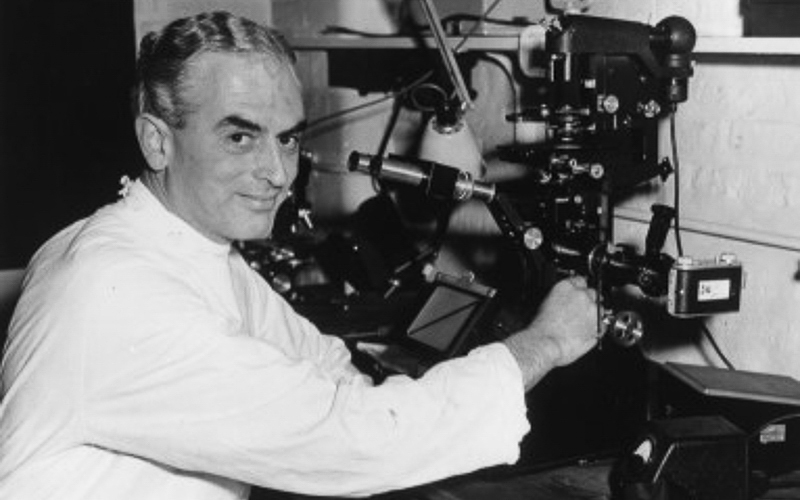
From Robert Grant to the founders of modern statistical science, Karl Pearson and RA Fisher to John Maynard Smith and his work on game theory to Anne McLaren and her ground-breaking work in reproductive biology and many more.
Today, GEE covers a very broad range of activity including biodiversity and environmental biology, the biology of ageing, microbiology, computational biology, evolution and development, evolutionary genetics, human genetics and human evolution.
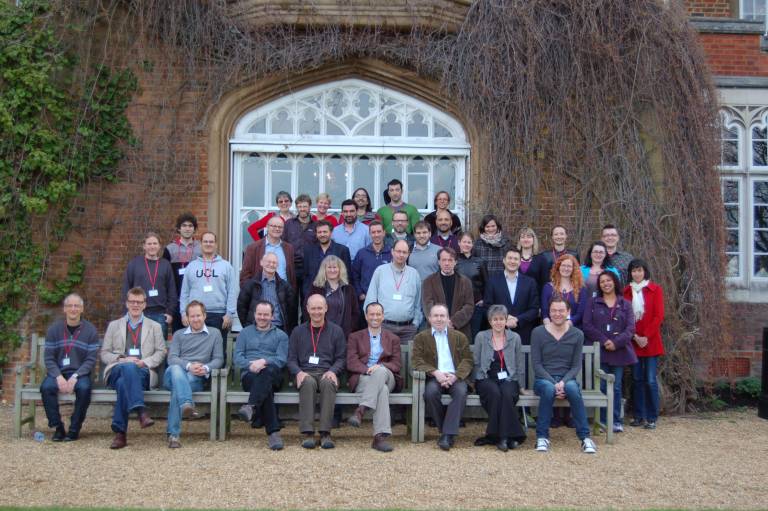
Our people and our history
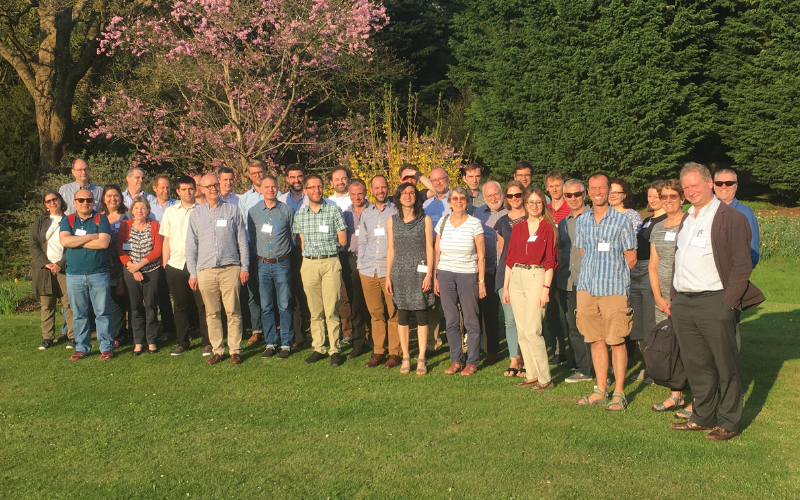
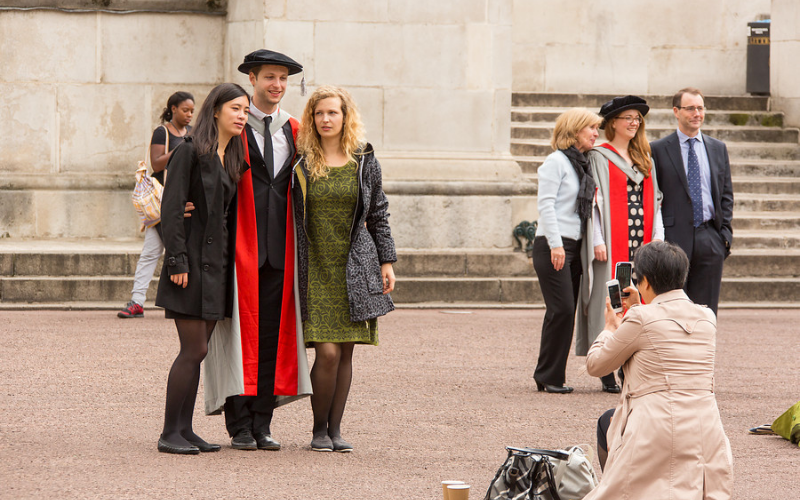
GEE research centres
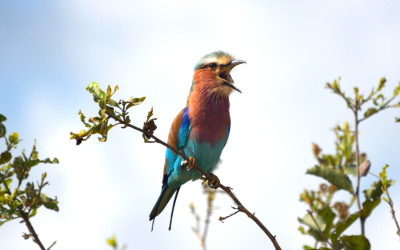
Centre for Biodiversity & Environment Research
CBER is one of the world’s leading research and training centres in ecology and biodiversity science, supporting the next generation of scholars and leaders.
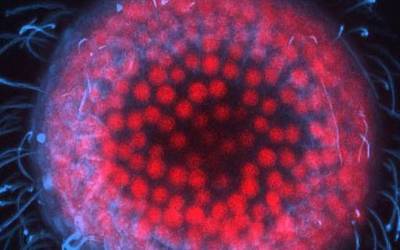
Centre for Life's Origins & Evolution
CLOE is an interdisciplinary centre that continues to progress UCL’s historic work in Evolutionary Biology using innovative technologies and methods.
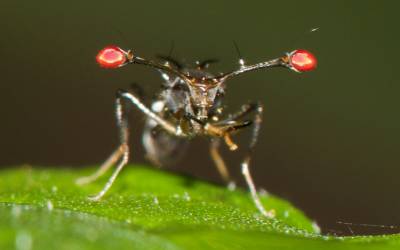
UCL Centre for Computational Biology
UCCB is an interdisciplinary centre of excellence for statistical and computational analysis of the fast-growing data available in genetics and biology.
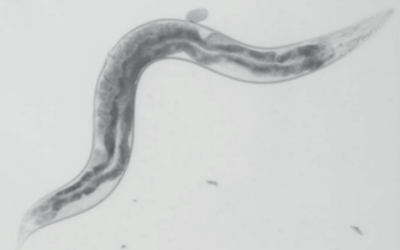
Institute of Healthy Ageing
The Institute of Healthy Ageing is a world-class centre of excellence for research focussed on the biology of ageing and ageing-related diseases.
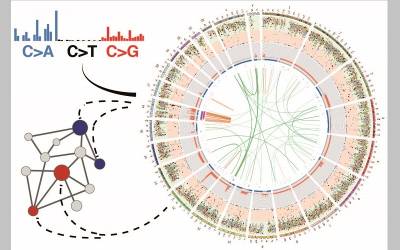
UCL Genetics Institute
The UCL Genetics Institute carries out data science relating to the origin and evolution of modern humans, the genetic determinants of human diseases, crop improvement and pathogens.
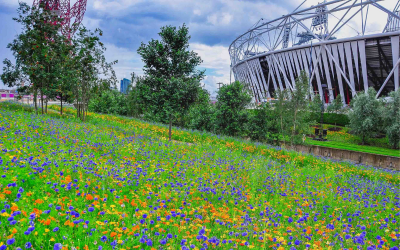
People and Nature Lab at UCL East
The People and Nature Lab at UCL East is our new interdisciplinary applied research and teaching partnership to develop innovative approaches to support a more sustainable relationship between people and nature.
GEE research
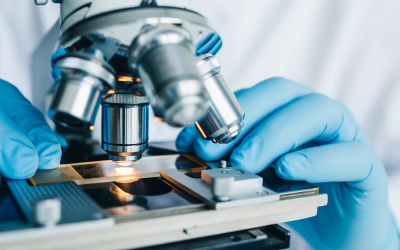
Research groups
Find out about the ground-breaking research work that is going on across the 40+ research groups which make up our department.
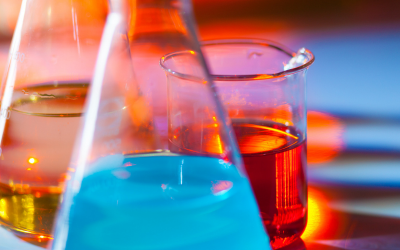
Research infrastructure
GEE's interdisciplinary research focus connects us to many others in UCL through various domains, networks and facilities.
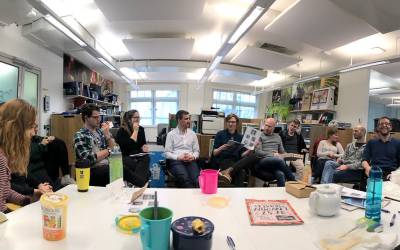
Early Careers Community
Our research department is home to a thriving community of Postdocs and Fellows supported by skills training, careers advice and more.
Study
Our BSc/MSci degree programmes offer undergraduates the flexibility to study broadly across the biological sciences.
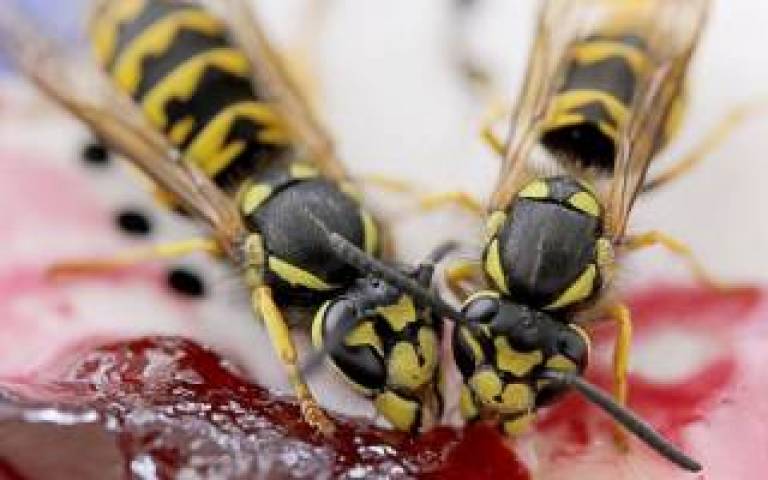
We offer a range of MSc and MRes programmes that utilise our expertise in evolutionary biology, genetics and ecology.
Become part of one of the largest and most active research environments for basic biological and biomedical research in the UK.
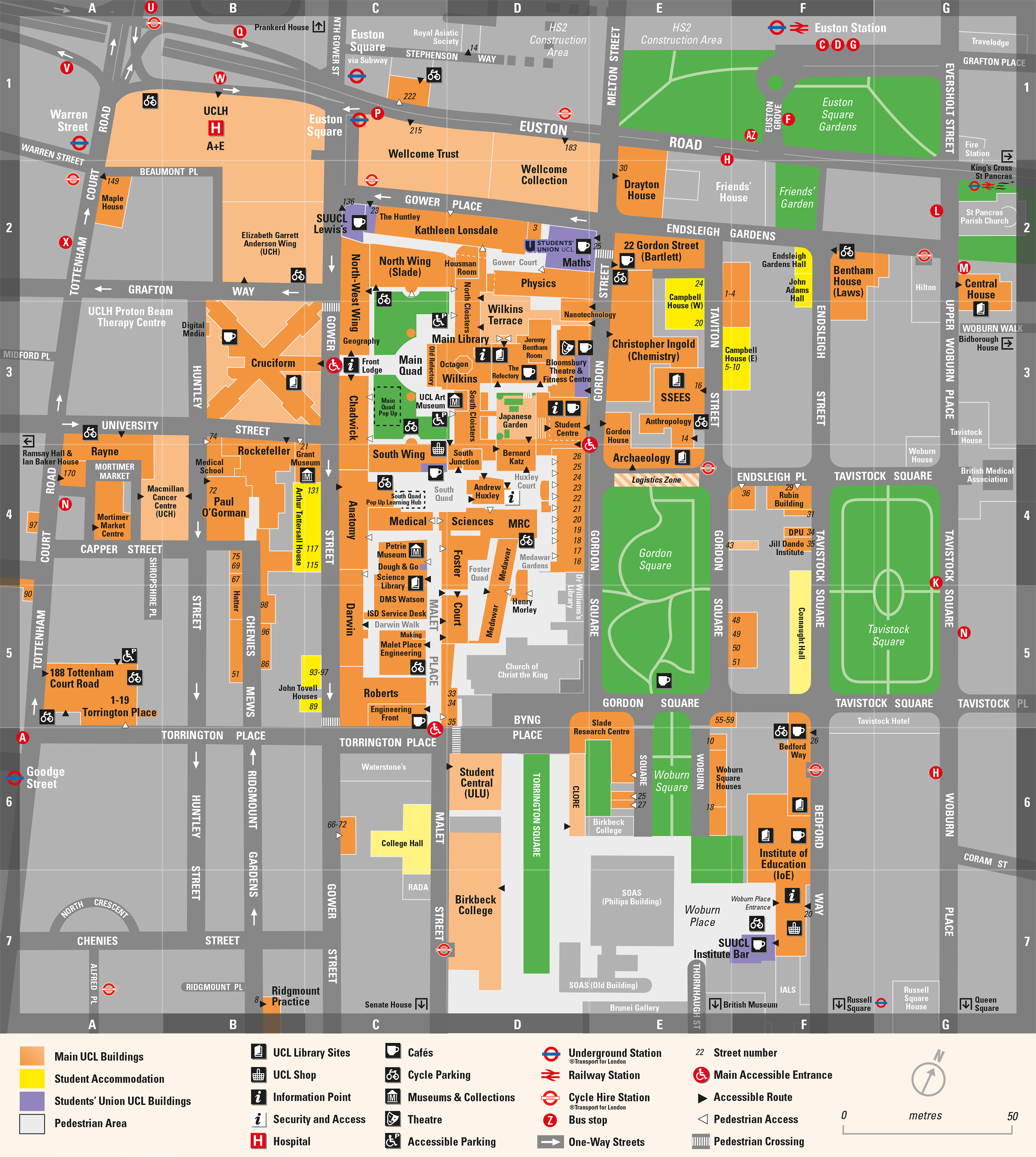
Our Gower Street home
GEE’s main building stands on the site of Charles Darwin’s home on Gower Street in London.
Genetics Evolution & Environment
University College London
Darwin Building
99-105 Gower Street
WC1E 6BT
London
GEE would like to thank Odra Noel for allowing us to use her artwork on our website.
Staff intranet
The GEE Staff Intranet provides key information to staff